Building an ad creative set from one bottle
Indie cosmetics and skincare · July 12, 2026 · 4 minute read
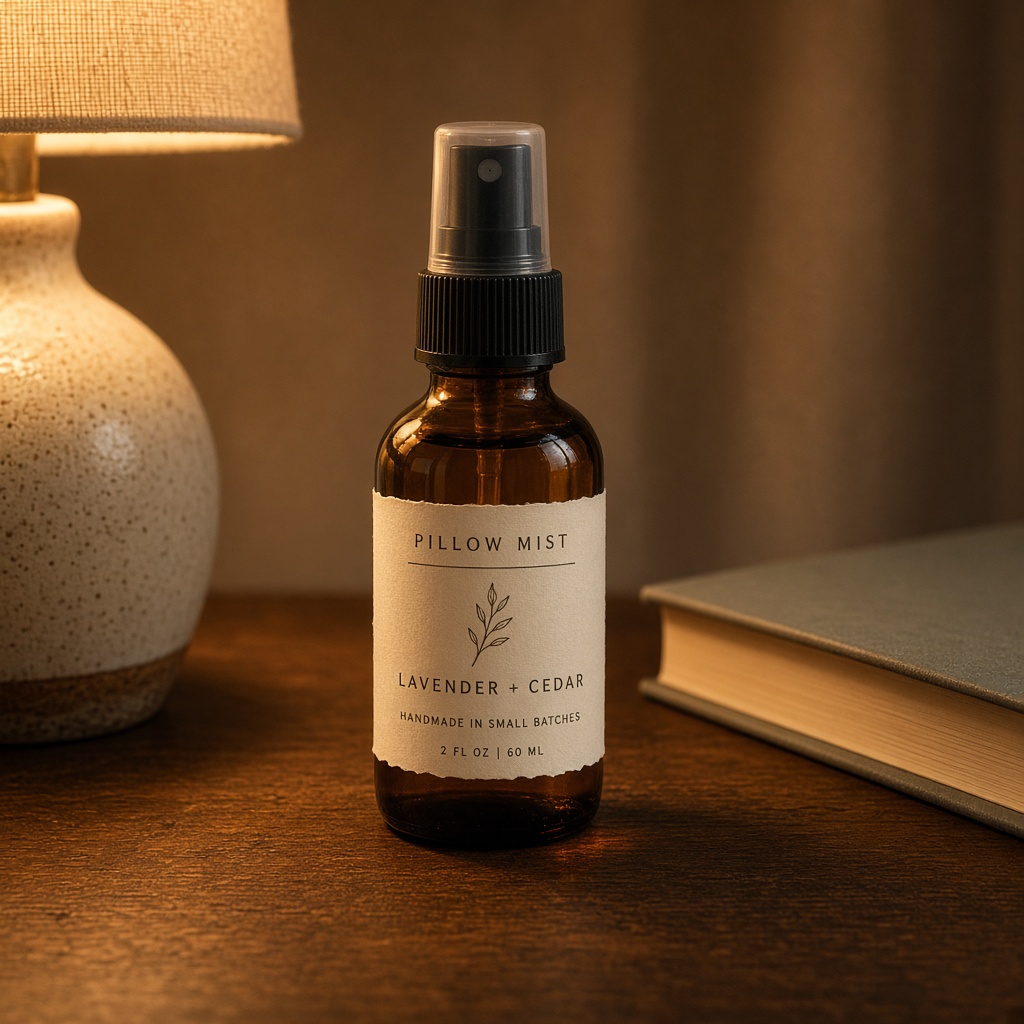
A skincare brand running paid social needs more images than a brand selling through a shop alone, and it needs them continuously rather than once. Creative fatigue is real: the same image shown to the same audience declines in performance within weeks, and the winning variant is rarely the one anyone predicted.
The practical bottleneck is almost never ideas. It is that producing eight more images of the same bottle has traditionally meant another studio booking.
Vary one thing at a time
The reason to produce variants systematically rather than randomly is that a test only teaches you something if you can attribute the difference.
Four images that vary in background, angle, prop and crop all at once tell you which performed best and nothing about why. Four images that vary only in background tell you that your audience responds to warm settings over cool ones, which is knowledge you can apply to the next twenty.
Structure your sets. Pick one variable per round.
The variables worth testing
Background tone. Warm neutrals against cool ones is the highest-signal test in this category, because it maps onto how buyers position the product — clinical versus indulgent.
Context versus isolation. A bottle alone on a plinth reads as premium and clinical. The same bottle on a bathroom shelf reads as everyday and approachable. Both work for different audiences and the difference is frequently large.
Crop. Vertical for stories and reels, square for feed, wide for banners. Beyond format, how tightly the product fills the frame changes perceived scale and premium-ness — tighter reads as more expensive.
Props. A tube alone versus a tube with a towel, a leaf, water droplets. Props date faster than anything else, so test them and expect to replace them.
Keep the product identical across the set
The one thing that must not vary is the product itself. If your bottle looks slightly different between variants — a different highlight, a different label crop, a different colour cast — you have introduced a confound and your test measures nothing.
This is the practical argument for generating a set from one photograph rather than reshooting. The bottle is literally identical in each; only the scene differs, which is exactly the experimental design you want.
Produce more than you will use
The temptation is to make four images and run four. The brands that find outliers make twelve and run the best four, because performance across creative is not normally distributed — one variant frequently outperforms the others by a multiple, and you cannot predict which.
Making twelve is only affordable if the marginal cost of an image is near zero, which is the change worth engineering.
Refresh on a schedule, not on decline
By the time you notice performance dropping, you have already spent above your target for a week or two. Brands running this well replace creative on a fixed cadence — a new set monthly regardless of how the current one is doing — and treat the calendar rather than the dashboard as the trigger.
That only works if producing a set is a routine task rather than a project.
Keep the compliance images separate
One warning specific to this category. Your ad creative and your listing images serve different purposes, and the regulated information belongs in the listing.
Do not let a heavily styled ad variant become your main product image, because the main image is where ingredient legibility and accurate representation matter. Keep the clean, accurate, well-lit product shot as the listing hero and let the variants do the advertising.
What stays constant when you stage
Because staging works from your reference photographs, the bottle, its label text and its finish are preserved identically across every variant in a set. That is the property that makes the test valid — you are measuring the scene, not accidentally measuring twelve slightly different bottles.