Vintage and thrift resellers
Every piece is one of one. So is every photo.
Nobody else is selling your 1994 leather jacket, which means no stock photo exists and never will. Shoot it once on your phone and get listing photos for every platform you sell on.
Sized and staged for Vinted · Depop · eBay
Resale is a volume business with a one-off inventory, and those two facts fight each other every single evening. You cannot reuse a photo, because you will never have this exact piece again. You also cannot spend twenty minutes styling each one, because there are another thirty waiting in the bag by the door.
That is why almost every listing on Vinted looks the same: a garment on a duvet, shot under a ceiling light, at eleven at night. The item might be excellent. The photograph tells nobody that.
Why your photos are costing you sales
The bed is the problem, and everybody knows it. A crumpled duvet behind a garment reads as somebody clearing out a wardrobe, not somebody running a shop — and buyers price it accordingly. Worse, the light is wrong in a way that costs you money directly: a warm ceiling bulb turns cream into yellow and navy into black, which is the single most common reason a resale item comes back.
You are not going to buy a light tent and a backdrop stand. You should not have to. The photo you already take is enough information; what it needs is a different room and a different light.
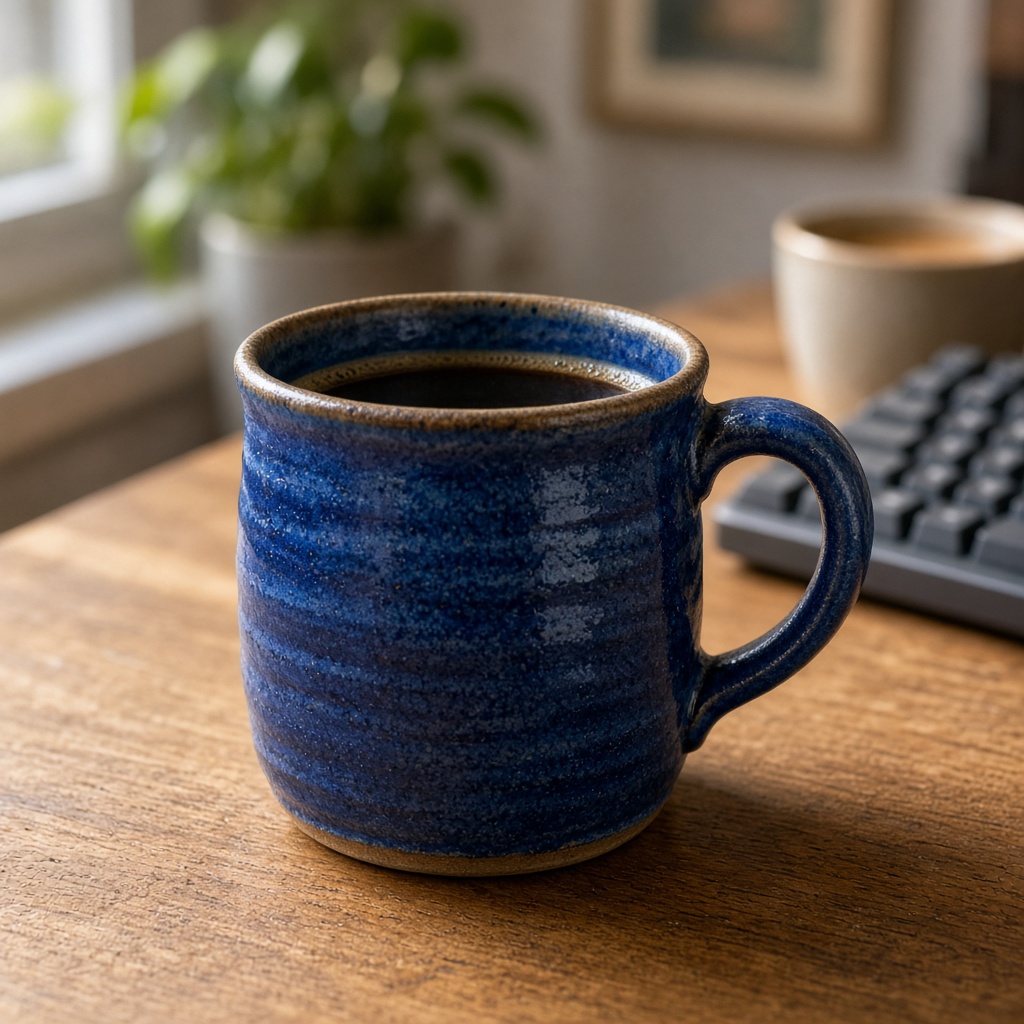
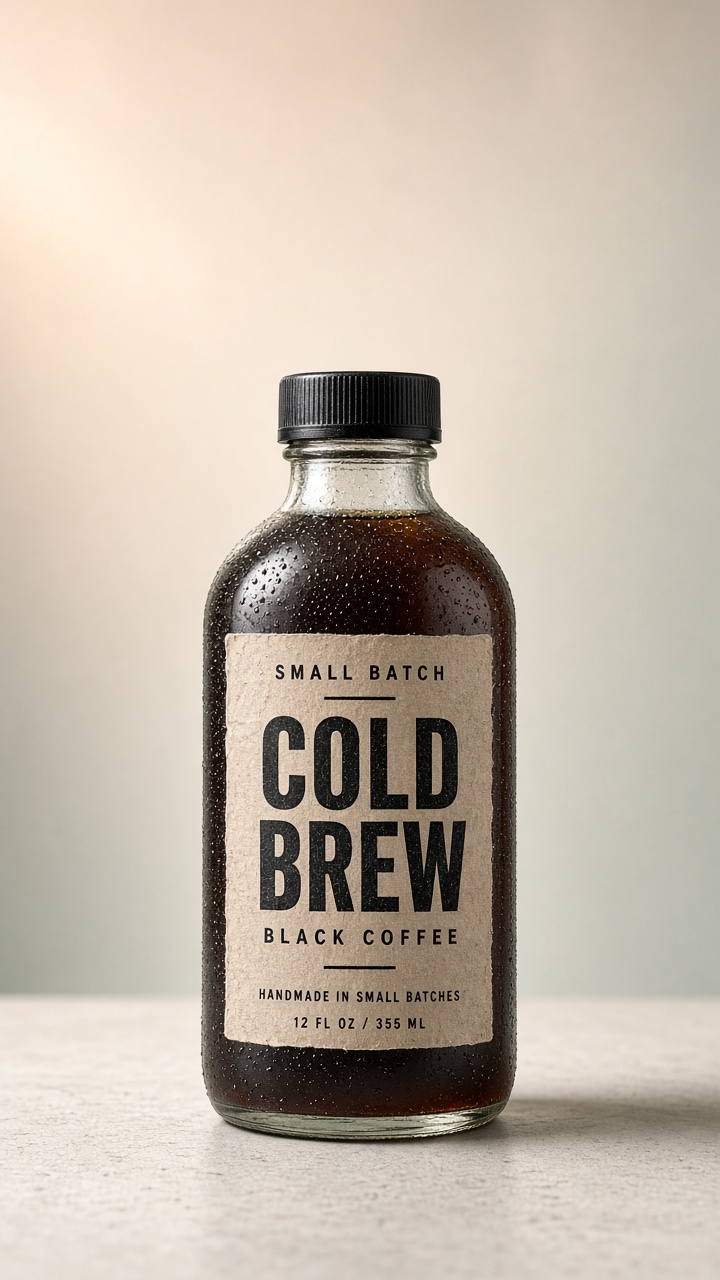
The scenes that suit your work
A handful chosen for what you sell, out of the full library.

It has to still be your item
Condition is the entire transaction in resale, so the photograph has to be the actual item — the worn spot on the left elbow, the fade across the shoulders, the small mark you disclosed in the description. An image that quietly tidies those away is not a better listing, it is a dispute with a delay on it.
Your photos are sent with every request, and the instruction that runs on all of them is to preserve the object exactly: geometry, colour, material, surface and any marking on it. The scene around the item changes. The item does not.
- One phone photo becomes a clean listing image, a lifestyle shot and a vertical crop for stories
- Colour stays true, so cream does not arrive as yellow and navy does not arrive as black
- Wear, fading and marks survive the restage, because hiding them is how you get a return
- Fast enough to keep up with forty listings a week rather than four
Three steps, about a minute
01
Upload your photos
Two or three angles on a phone is plenty. We cut the background automatically.
02
Pick your scenes
Tick as many as you like from 56 staged settings, or describe your own.
03
Get your shots
They arrive together in your gallery, ready to download for a listing or a post.
Questions people ask before they sign up
- Will it change the condition of the item?
- No, and that is the point. Every request carries your own photographs and an instruction to preserve the object exactly, including wear and marks. Only the background and the lighting change.
- How many photos do I need to take?
- One is enough. Two or three angles produce better results, and we use up to three per generation, cutting the background automatically.
- Is this allowed on Vinted and Depop?
- You are photographing your own item and changing the setting, which is the same thing a seller with a backdrop does. What is not allowed is using the brand's catalogue render for a used item, and this is the alternative to that.
- I list forty items a week. Does that work out expensive?
- One credit is one image. The Starter plan covers a hundred and twenty a month, and top-up credits never expire, so a heavy week does not cost you a subscription tier.
Written for your trade
Practical pieces about photographing what you sell, rather than general advice about cameras.
What a condition photo must show, and what it must never hide
Disclosing flaws feels like talking yourself out of a sale. The data says otherwise, and the returns policy definitely does.
5 minute read
Photographing clothes without a mannequin
Flat lay, hanger, or worn — each says something different about a garment. A practical guide to picking the right one and executing it in a small flat.
4 minute read
Why your resale photos make cream look yellow
Colour is the single most common reason a second-hand garment comes back. Here is what is actually happening, and the three changes that fix most of it.
5 minute read
Also sells like you
Every piece is one of one. So is every photo.
Start with 3 free images. No card, no account.
Try it free