Photographing wood and carving
Grain is the whole argument, and flat light erases it
Two bowls, one turned from figured walnut and one from pine, look identical under a ceiling light. One of them is worth four times the other.
Sized and staged for Etsy · Shopify · Instagram
Wood sells on three things a photograph has to carry: the grain, the finish, and the way the two behave together when light crosses them. Under flat overhead light none of them survive. What you get is a brown shape.
Grain needs light travelling across the surface rather than at it, so the raised and recessed fibres cast their own tiny shadows. Finish needs a reflection to describe it — an oiled surface returns a soft broad sheen, a waxed one a tighter one, and a raw sanded surface returns almost nothing. Those three finishes are three different prices, and a buyer can only tell them apart if the light lets them.
None of that needs a studio. It needs the light to arrive from the side.
Why your photos are costing you sales
The other loss is colour. Wood photographed under a warm bulb goes orange, and orange oak looks like cheap pine to anybody who has not held it. Photographed under a phone's auto white balance beside a window, the same piece can go grey-green instead. Neither is what you made.
And carving loses its depth entirely. A relief carved two millimetres deep reads as a printed pattern in flat light — which is exactly the comparison a hand-carver cannot afford, because a printed pattern is what the cheap version is.
The scenes that suit your work
A handful chosen for what you sell, out of the full library.

It has to still be your item
Shoot near a window with the room lights off. Mixing daylight with a warm bulb is what produces the colours nobody recognises, and turning one of them off costs nothing.
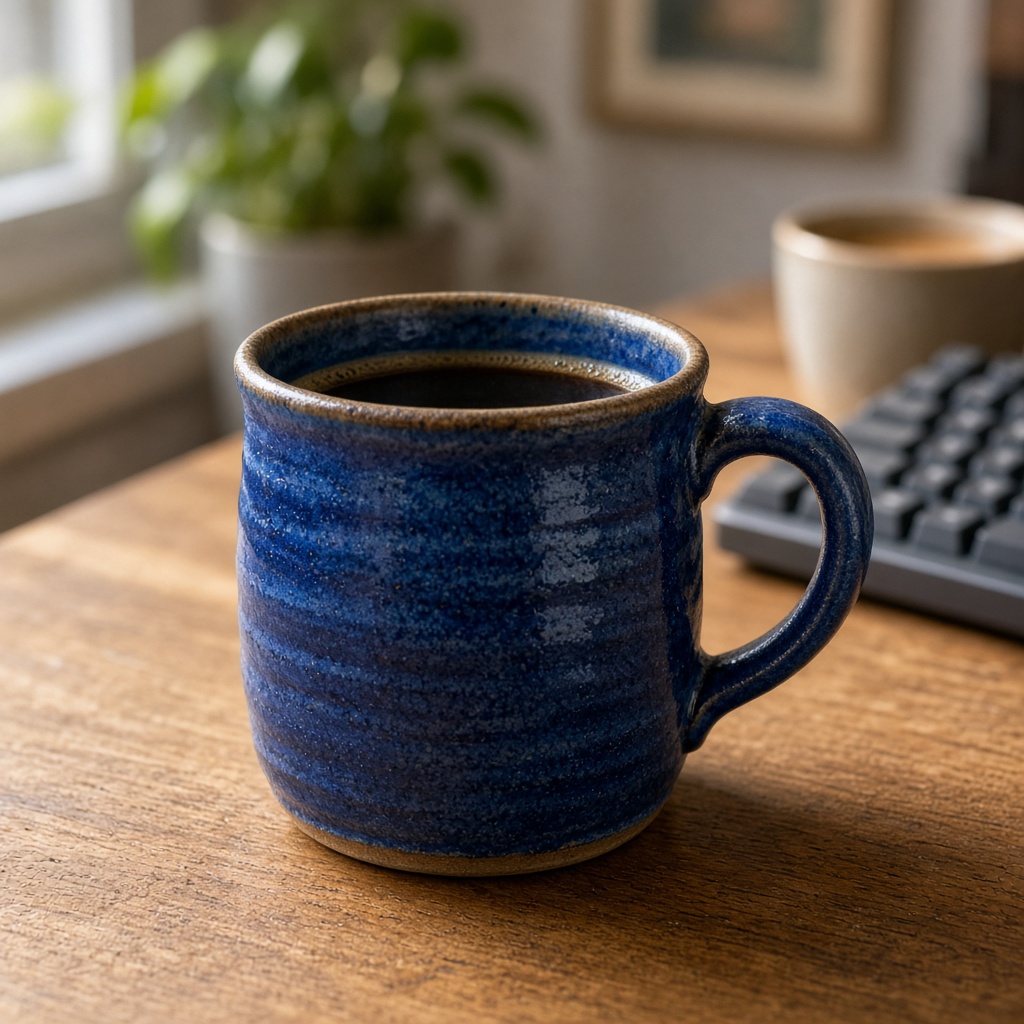
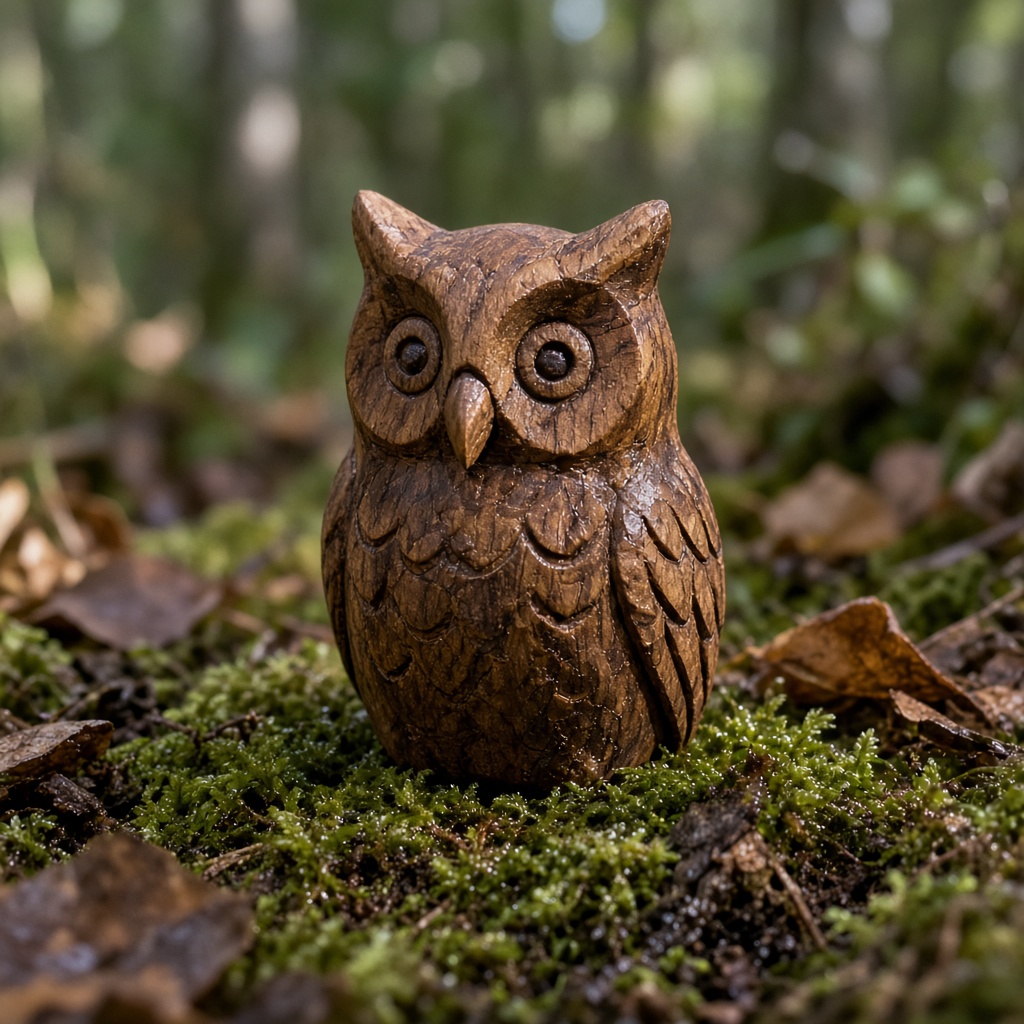
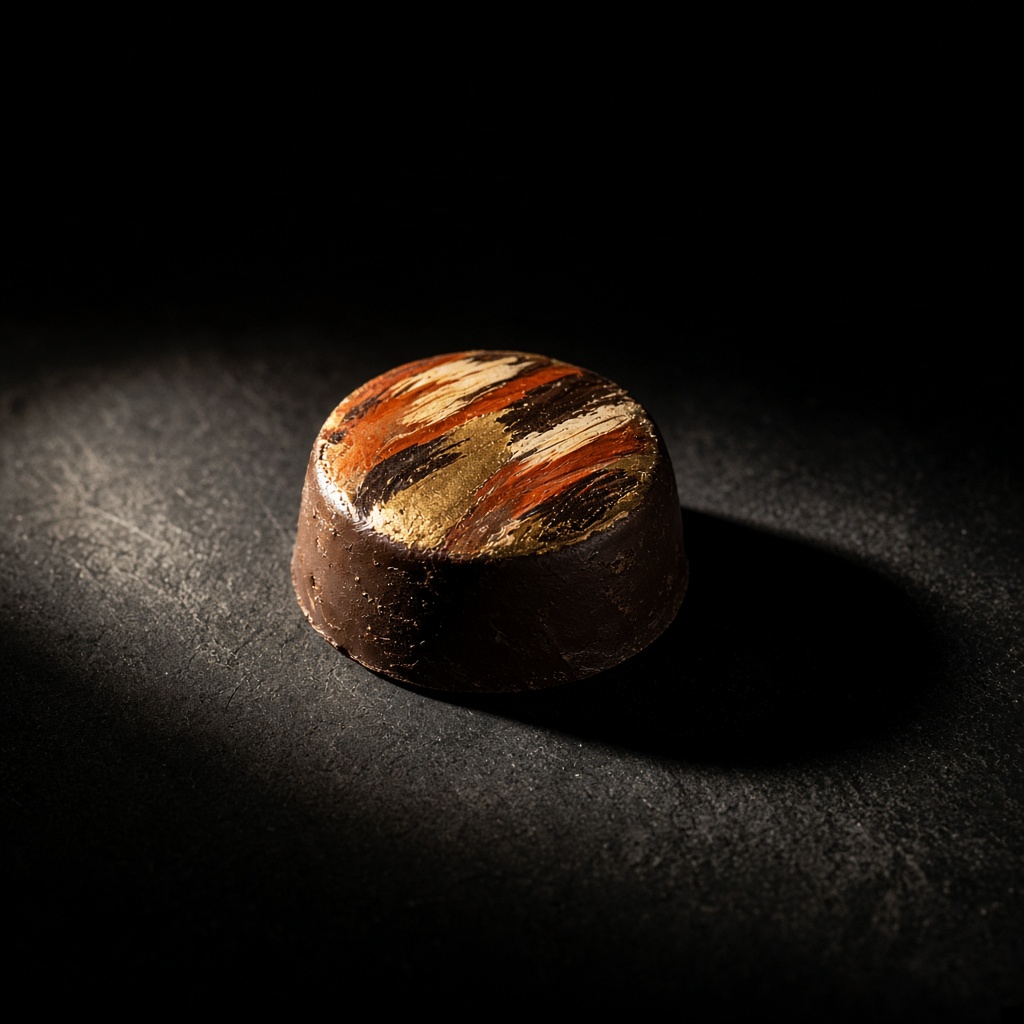
Then pick a scene with directional light. The warm desk rakes light across the surface, which is what makes grain visible. The dramatic spotlight goes further and is the right choice when the carving itself is the product. The forest floor is the other axis entirely — it says where the material came from, which for a maker whose story is the walnut is worth more than another clean angle.
- Grain visible instead of a brown shape
- Oiled, waxed and raw finishes that look different from each other
- Carving with its real depth, not a printed-looking pattern
- Colour that matches the piece somebody unwraps
Three steps, about a minute
01
Upload your photos
Two or three angles on a phone is plenty. We cut the background automatically.
02
Pick your scenes
Tick as many as you like from 56 staged settings, or describe your own.
03
Get your shots
They arrive together in your gallery, ready to download for a listing or a post.
Questions people ask before they sign up
- Will it smooth out the tool marks?
- No, and it should not. Tool marks are the evidence a person made it, and removing them is what makes a hand-carved piece look machined.
- My piece is very large. Does that work?
- Yes, though the scale scenes will not help — a hand beside a dining table says nothing. Use a room setting instead so the size reads from what is around it.
- What about live edges and bark?
- Kept as they are. Those are usually the reason someone is buying that particular board rather than another one.
Also sells like you
Grain is the whole argument, and flat light erases it
Start with 3 free images. No card, no account.
Try it free