Artists and print sellers
Show the work on a wall, not flat on the studio floor.
Originals and prints sell on how they will look in a room. Photograph the piece once and put it in one, without borrowing somebody's living room for an afternoon.
Sized and staged for Etsy · Shopify · Instagram
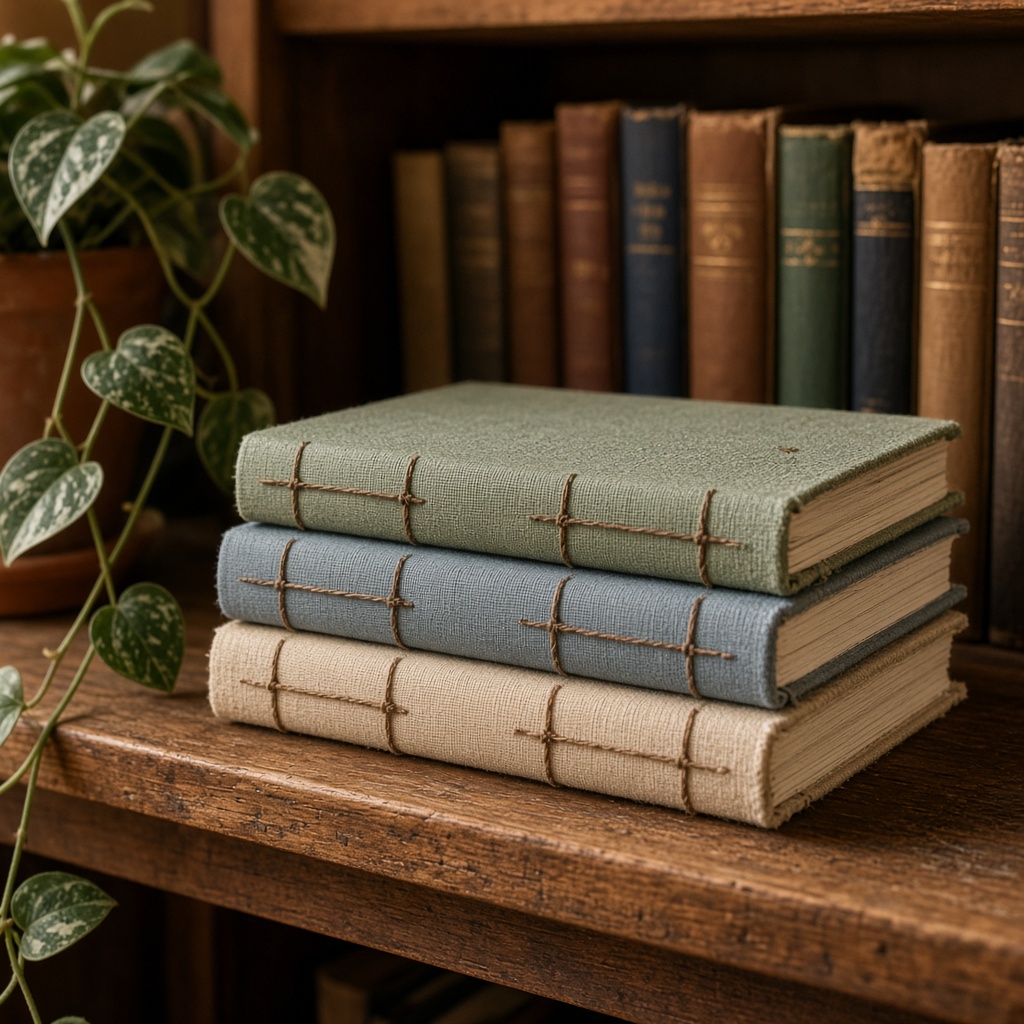
A flat scan tells a buyer the dimensions and nothing else. It is an accurate document of a rectangle.
But nobody buys a rectangle. They buy what it will do above the sofa, whether it works next to the bookshelf, whether the blue in it fights the blue in the room. That is the picture that sells the work, and it is precisely the picture you cannot take, because you do not own their sofa and you are not going to hang forty prints in your flat to find out.
This is the gap. Not better lighting on the artwork — context around it.
Why your photos are costing you sales
Photographing your own work badly is almost a tradition. Prints get shot at an angle so the glass does not flare, which skews the proportions. Canvases get shot on the floor of the studio with a paint-stained rug in frame. Everything gets shot under the same north light, so a shop of wildly different pieces looks uniformly grey.
None of that is laziness either. Framing, hanging and lighting a piece properly takes longer than making the print did.
The scenes that suit your work
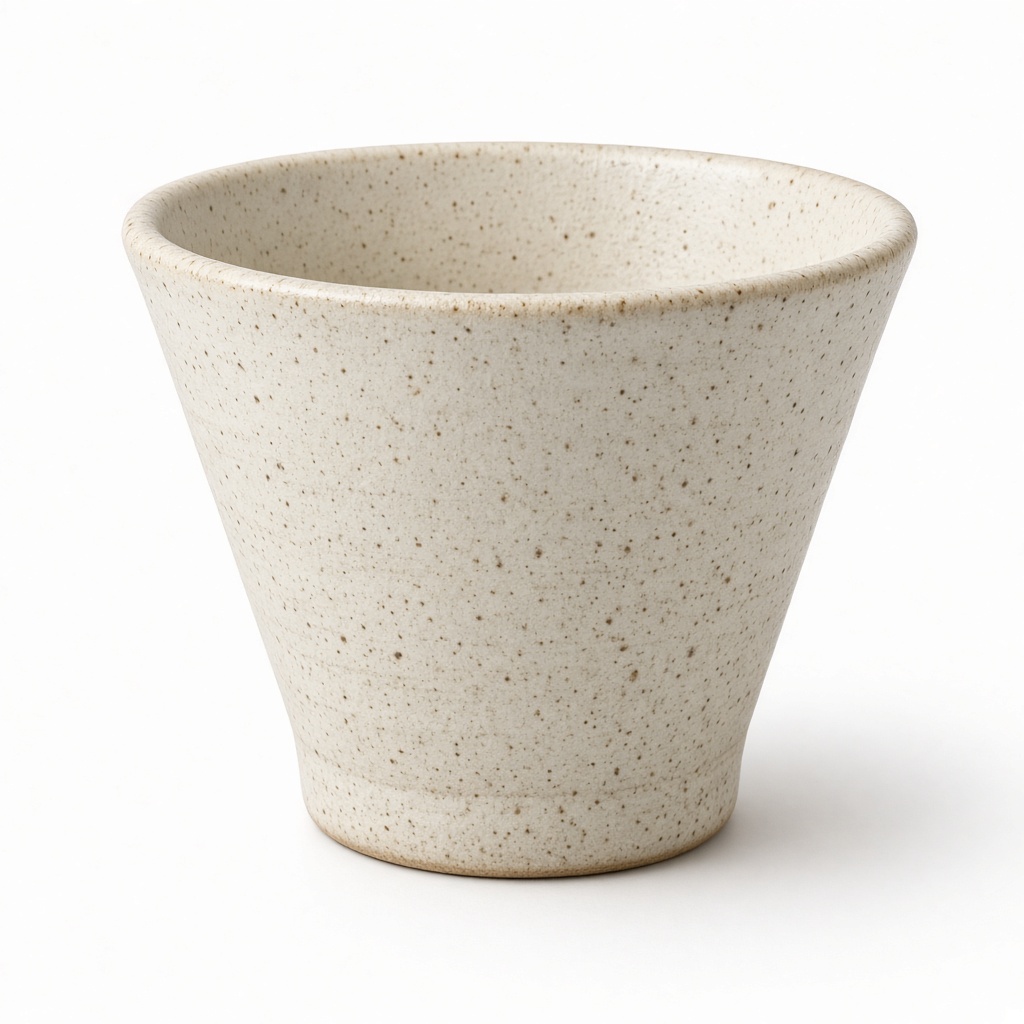
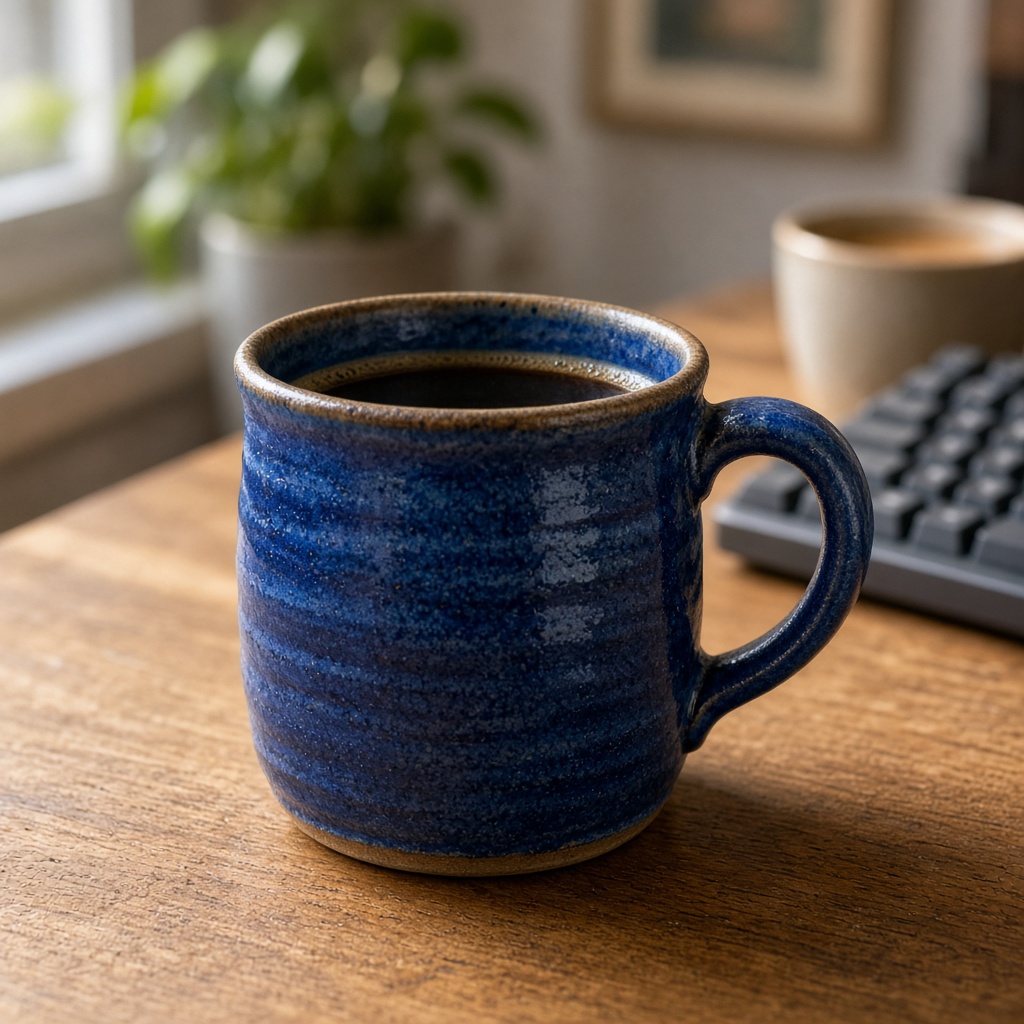
A handful chosen for what you sell, out of the full library.

It has to still be your item
Surface is what separates an original from a poster. Brushwork sitting proud of the canvas, the tooth of cotton rag paper, a deckled edge, the plate mark on an etching — these are the things a buyer is paying the difference for, and they are the first things a model smooths away if nobody stops it.
The instruction on every generation is to preserve texture and finish rather than clean them up. What changes is the wall behind the work, the light falling on it and the room it sits in.
- Room settings for every piece without hanging a single one
- Brushwork, paper texture and deckled edges survive the restage
- The same print shown in several rooms, so buyers find the one that matches theirs
- A consistent shop even when the work spans years and mediums
Three steps, about a minute
01
Upload your photos
Two or three angles on a phone is plenty. We cut the background automatically.
02
Pick your scenes
Tick as many as you like from 56 staged settings, or describe your own.
03
Get your shots
They arrive together in your gallery, ready to download for a listing or a post.
Questions people ask before they sign up
- Will the colours stay accurate to the original?
- Colour is preserved from your photographs rather than reinvented, so an accurate photo stays accurate. For originals, photograph in daylight away from a coloured wall — a red room tints everything.
- Does it work for framed pieces?
- Yes. Photograph it framed and the frame is treated as part of the object. If you sell both framed and unframed, shoot it both ways.
- Can I show scale, so buyers know how big it is?
- Room settings do this implicitly, and the scale scenes do it explicitly. Size confusion is one of the most common reasons art is returned.
- Is this the same as a mockup template?
- No. A template pastes a flat image into a fixed photograph. This restages your actual piece with its own texture and lighting, which is why the surface survives.
Written for your trade
Practical pieces about photographing what you sell, rather than general advice about cameras.
Getting colour accurate from easel to screen
The buyer complains the blue is wrong. They are probably right, and the cause is usually one of four things.
4 minute read
Why room mockups sell prints and flat scans do not
A flat scan is an accurate document of a rectangle. Nobody buys a rectangle — they buy what it does above the sofa.
4 minute read
Photographing artwork without glare on the glass
Every framed piece has a mirror bolted to the front of it. Here is how to photograph through glass, and when to take the frame off instead.
4 minute read
Also sells like you
Show the work on a wall, not flat on the studio floor.
Start with 3 free images. No card, no account.
Try it free