Handmade and craft sellers
You spent nine hours making it. Give it more than four minutes of daylight.
Ceramics, candles, textiles, leather — the things that take longest to make are the ones photographed in the worst light, because by the time the piece is finished the good window has gone.
Sized and staged for Etsy · Shopify · Instagram

Making is the part you are good at. Photography is the part standing between the work and the sale, and it is the part nobody warned you about when you started selling.
The pattern is always the same. The piece comes out of the kiln, or off the loom, or out of the mould, late in the day. You photograph it on the kitchen table because that is where the light is, except by then it is five o'clock in November and there is no light. The listing goes up anyway, because the listing has to go up.
Then it sits there, and the glaze that took three firings to get right reads as beige.
Why your photos are costing you sales
Craft is not your bottleneck; photography is. And the cost is not only the sale you did not make — it is that your work is being compared, side by side in a search results grid, against sellers whose pieces are worse than yours and whose photographs are better.
Buyers cannot assess craftsmanship through a screen. They assess the photograph and assume the object matches it. A shop full of careful work and careless images teaches people that the work is careless too.
The scenes that suit your work
A handful chosen for what you sell, out of the full library.
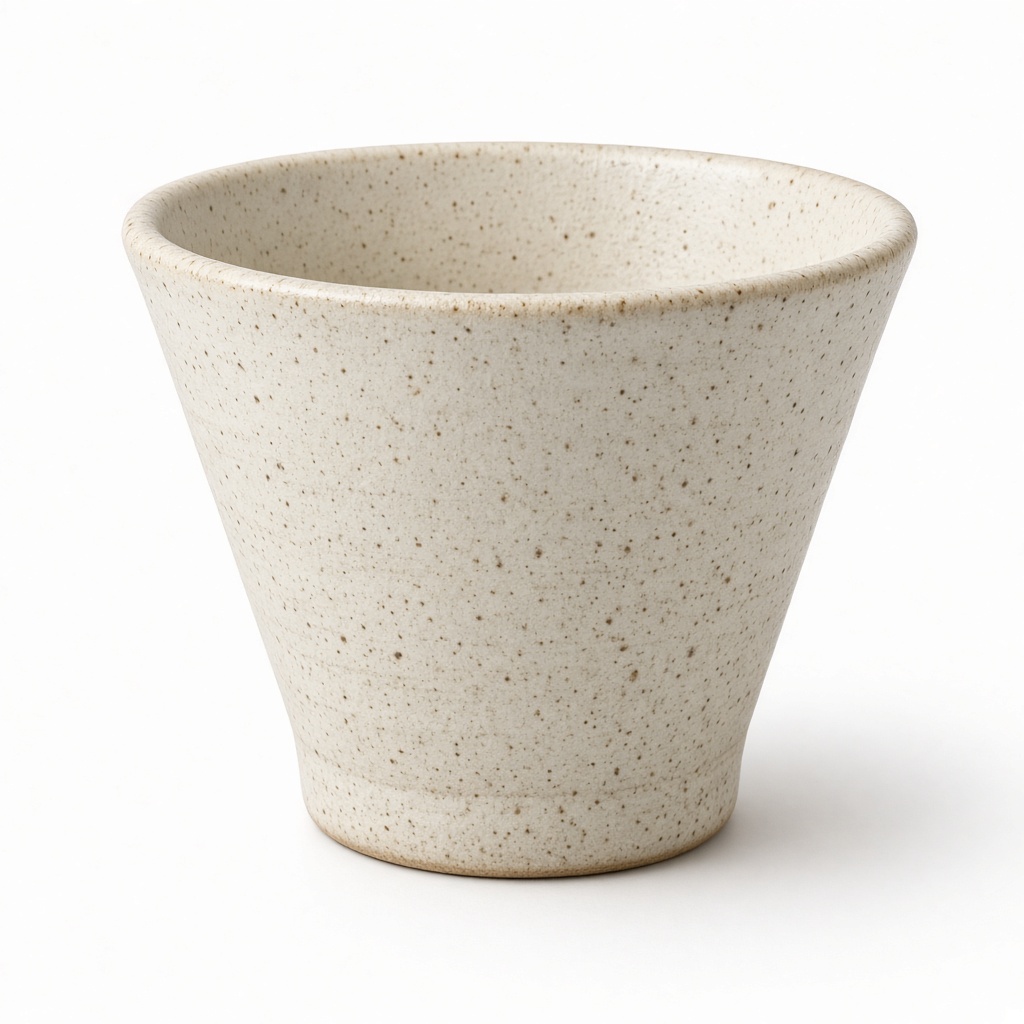
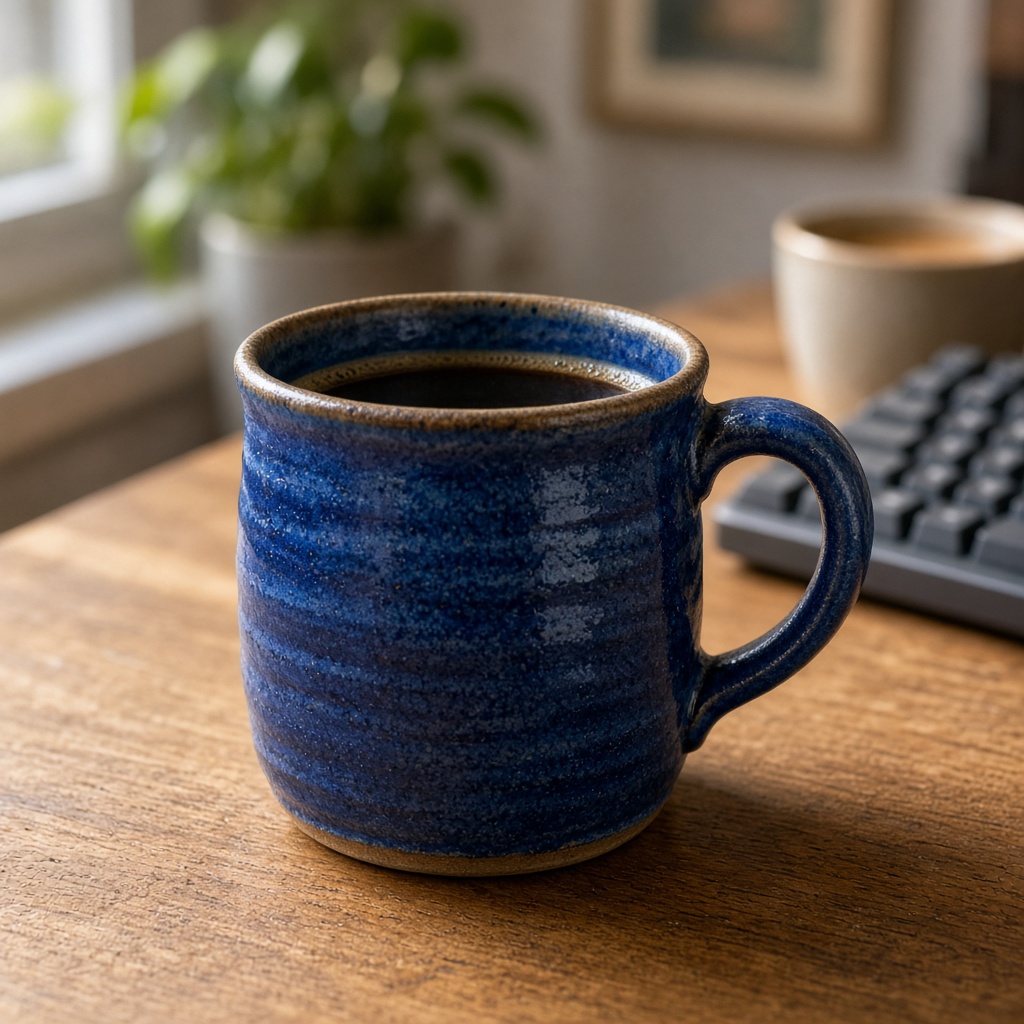
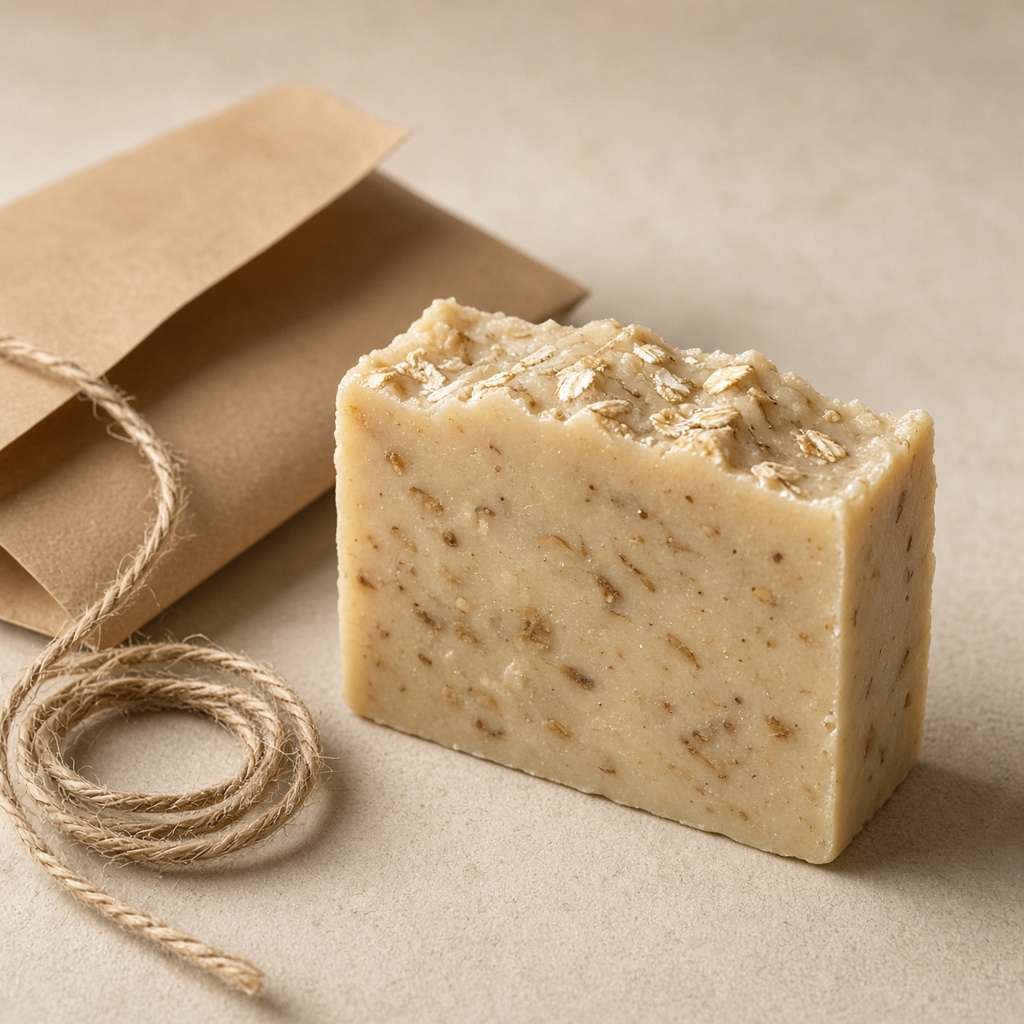
It has to still be your item
Handmade means irregular on purpose. The thumbprint left in the glaze, the wobble in a thrown rim, the slub in hand-spun yarn, the slight asymmetry that proves a person made it rather than a machine — those are the reasons somebody pays handmade prices in the first place.
So the instruction that runs on every image is to preserve the surface and its irregularities rather than tidy them away. A model left to its own devices will smooth a hand-thrown rim into a machined one, and at that point you are advertising something you cannot post.
- Shoot at any hour, in any light, and still get a listing image worth the work
- Glaze, grain, weave and stitch survive — the irregularities are preserved on purpose
- Styled flat-lays and packaging shots without owning props or a backdrop
- A consistent look across a shop, even when pieces were photographed months apart
Three steps, about a minute
01
Upload your photos
Two or three angles on a phone is plenty. We cut the background automatically.
02
Pick your scenes
Tick as many as you like from 56 staged settings, or describe your own.
03
Get your shots
They arrive together in your gallery, ready to download for a listing or a post.
Questions people ask before they sign up
- Will it smooth out the marks that show it is handmade?
- No. Preserving them is written into the instruction sent with every image, because those marks are the reason the piece is worth what you charge.
- My glaze colour never photographs correctly. Does this fix that?
- Colour is preserved from your reference photos rather than reinvented, so a glaze that photographed accurately will stay accurate. If your original photo has a heavy colour cast from a warm bulb, shoot it near a window first.
- Can I get a consistent look across my whole shop?
- That is what the scene library is for. Pick the same scene for every piece and the shop reads as one shop, even for work photographed months apart.
- What about pieces that are not photogenic on their own, like earrings?
- Use the scale scenes — held in a hand, or beside a familiar object. Small work sells better when buyers can see how small it actually is.
Written for your trade
Practical pieces about photographing what you sell, rather than general advice about cameras.
The four o'clock problem: photographing when the light has gone
Makers finish work in the evening and photograph it in November. Here is how to get usable images without daylight, and what to stop trying.
5 minute read
Making forty listings look like one shop
Individually decent photographs can add up to an incoherent shop. Consistency is a bigger lever than quality, and it is mostly a set of decisions rather than a skill.
4 minute read
Photographing glaze so the colour survives the screen
Three firings to get the celadon right, and it arrives on Etsy looking grey. The problem is rarely the glaze and almost always the light.
5 minute read
Also sells like you
You spent nine hours making it. Give it more than four minutes of daylight.
Start with 3 free images. No card, no account.
Try it free