Amazon image requirements
Amazon is the strict one, and it is strict in a useful way
Pure white, the product filling most of the frame, nothing else in the picture. The main image rules are narrow enough to be checked, which is why a listing gets suppressed rather than quietly ranked down.
Sized and staged for Amazon
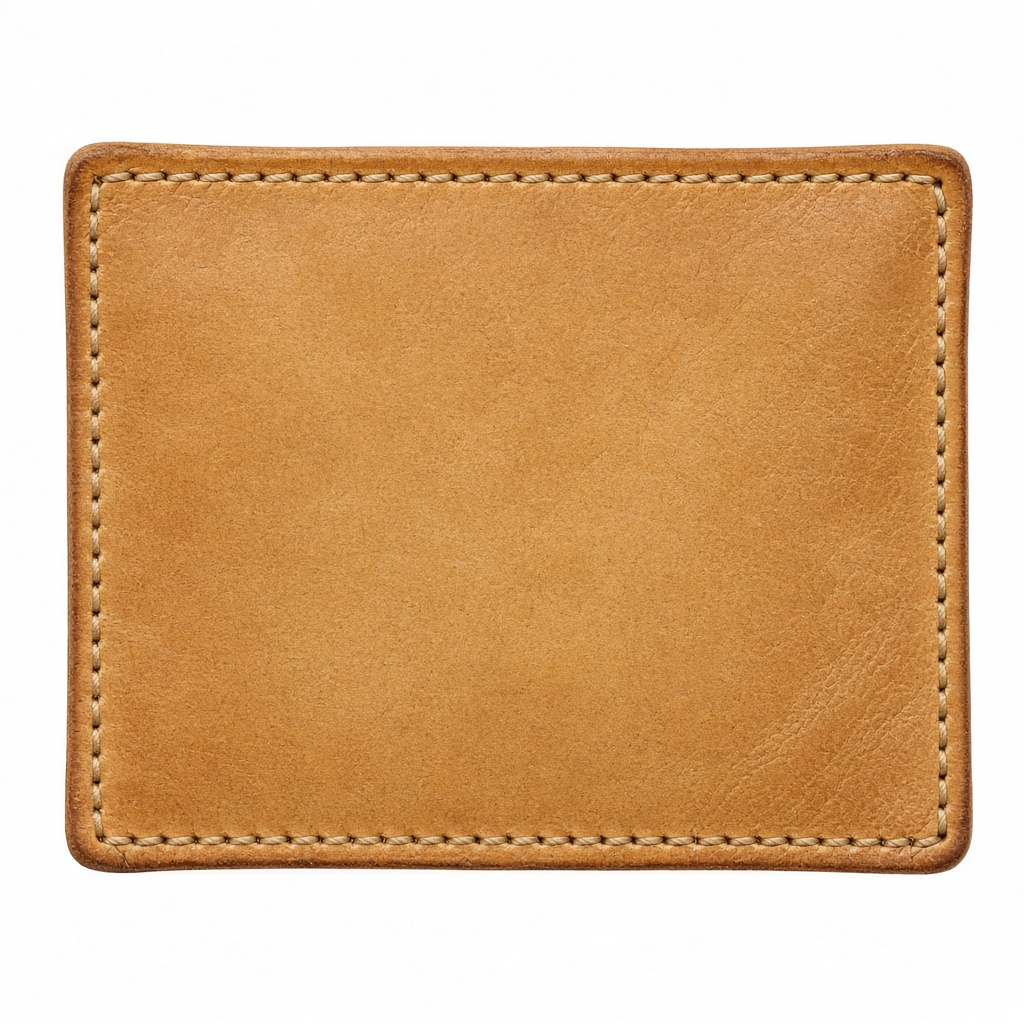
The main image on Amazon has to be the product on a pure white background — RGB 255, 255, 255 — with the product occupying most of the frame, no text, no logos, no watermarks, no props and no packaging unless the packaging is the product.
The background requirement is the one that catches people. A white sheet photographed in ordinary room light is not white; it is grey, or cream, or faintly blue. Amazon measures it, and "it looks white on my screen" is not the same test.
The additional images are where the rules relax: lifestyle, scale, detail, packaging, infographics are all allowed, and they are where the selling actually happens.
Why your photos are costing you sales
Getting to a measured pure white without a studio means lighting the background separately from the product, which needs space, two lights and somewhere to put them. Most people instead cut the product out and drop it on a white field — and that is visible: no contact shadow, a uniformly sharp edge, and flat lighting because flat lighting is easiest to mask.
The result passes the automated check and looks like what it is, next to a competitor who lit it properly.
The scenes that suit your work
A handful chosen for what you sell, out of the full library.
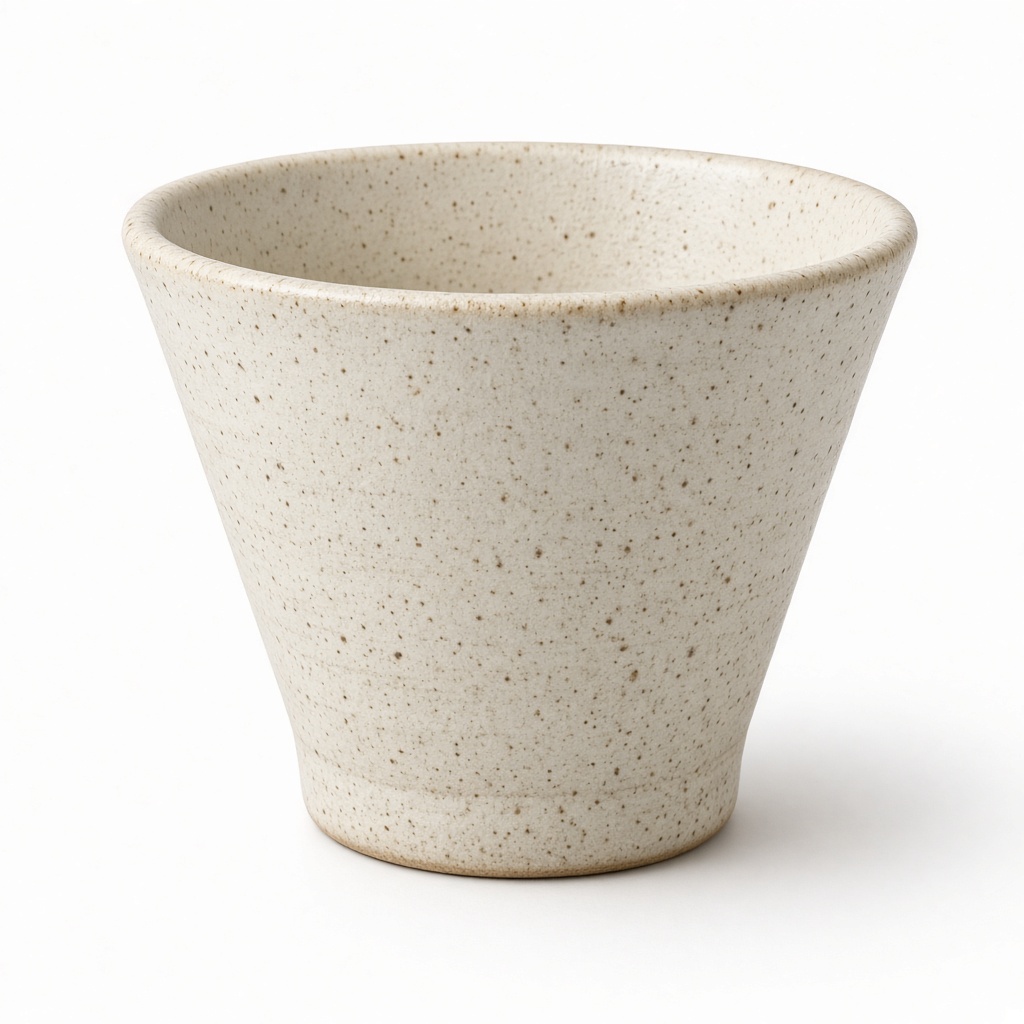
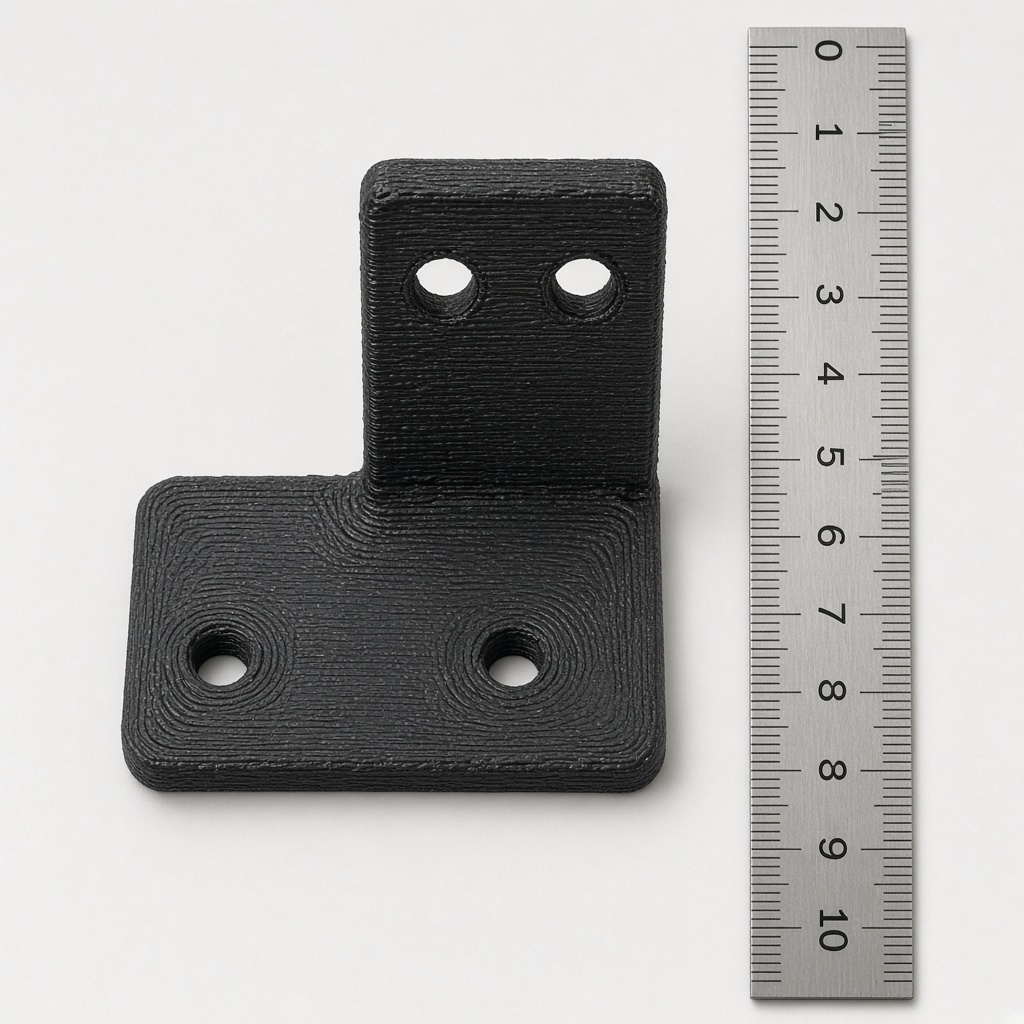
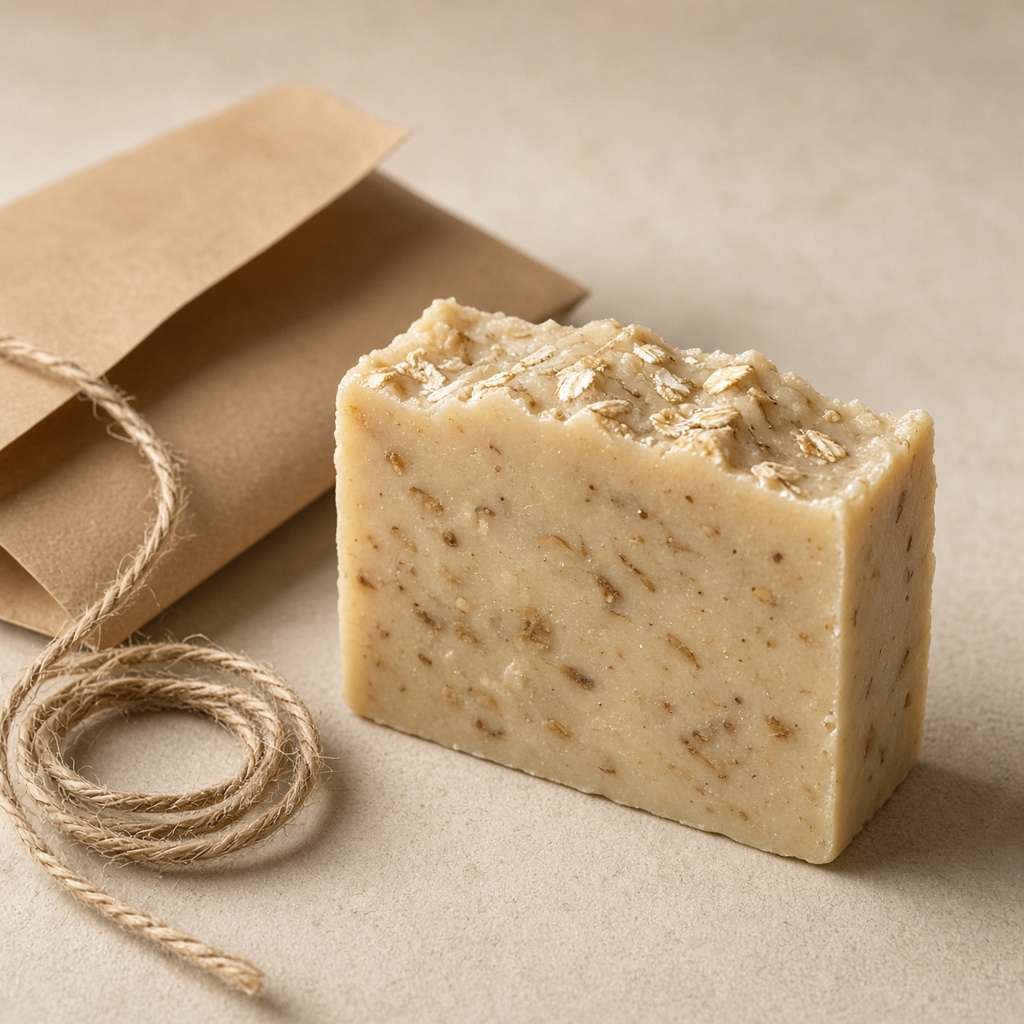
It has to still be your item
A staged pure-white scene produces a measured white background with a real contact shadow beneath the product, which is the difference between a photograph and a cutout. The product, its label and its finish come from your photograph; the white and the light do not.
- Measured pure white, not an approximation that fails on inspection
- A real contact shadow, so it reads as photographed rather than cut out
- The whole range in one sitting, so the catalogue matches itself
- Lifestyle and scale images for the secondary slots from the same photo
Three steps, about a minute
01
Upload your photos
Two or three angles on a phone is plenty. We cut the background automatically.
02
Pick your scenes
Tick as many as you like from 56 staged settings, or describe your own.
03
Get your shots
They arrive together in your gallery, ready to download for a listing or a post.
Questions people ask before they sign up
- What exactly does Amazon mean by pure white?
- RGB 255, 255, 255 — a measured value, not a visual impression. Check it with a colour picker on the finished file rather than trusting your monitor, which is almost certainly not calibrated.
- How much of the frame should the product fill?
- Amazon's guidance has generally been around 85 per cent of the frame for the main image. The exact figure and the surrounding rules do change, so confirm against Seller Central for your category rather than any third-party summary including this one.
- Can the extra images be styled?
- Yes, and they should be. Only the main image carries the white requirement. Lifestyle settings, scale references, detail shots, packaging and infographics all belong in the additional slots.
- Is a cutout on white acceptable?
- It passes, and it usually looks like a cutout. A photographed white with a contact shadow reads as a real object on a real surface, which is what a buyer is comparing against in the results grid.
Also sells like you
Amazon is the strict one, and it is strict in a useful way
Start with 3 free images. No card, no account.
Try it free