Photographing glass
Glass photographs as a smudge, and it is not your camera
A glass object has almost no surface of its own. What a photograph of it actually records is the room — so the fix is never a better lens, it is a better room.
Sized and staged for Etsy · Shopify · Amazon · Instagram
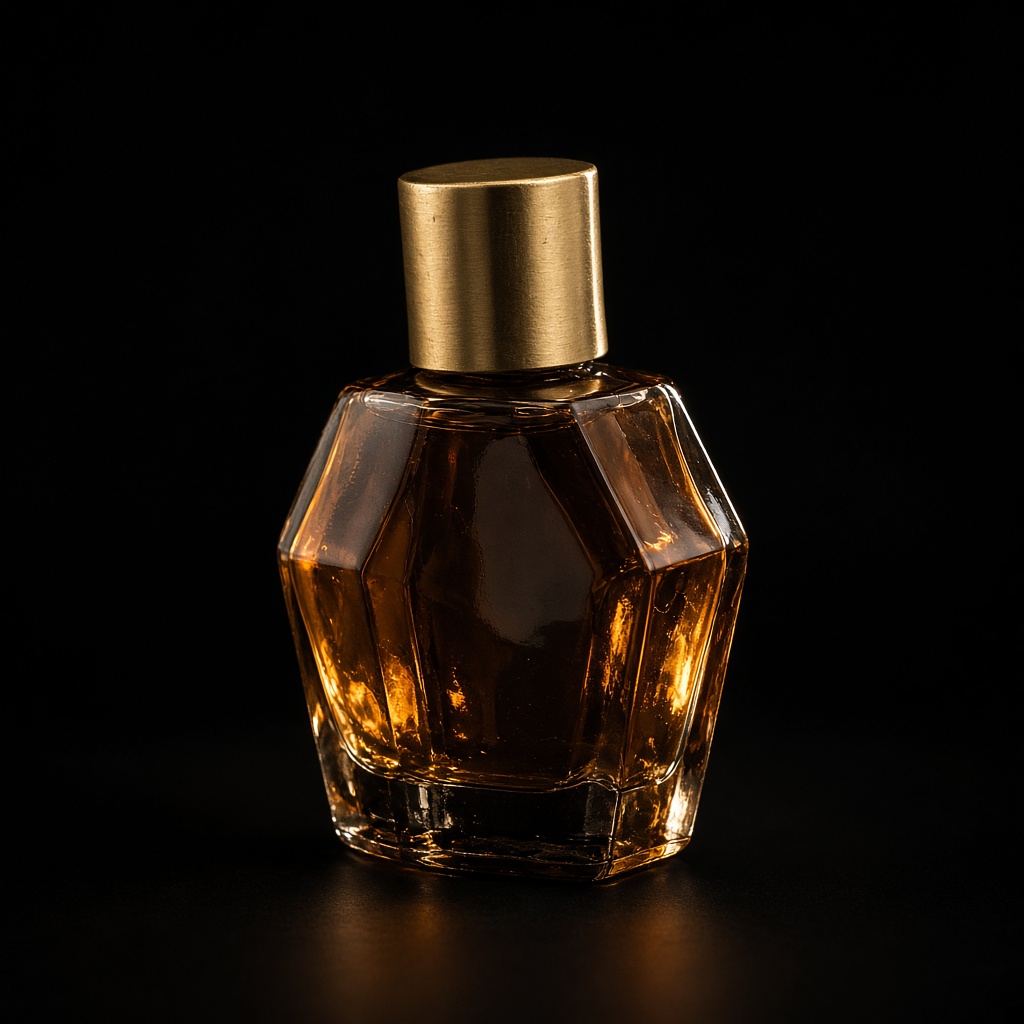
Point a phone at a glass bottle on a kitchen table and you get a photograph of your kitchen, wrapped around a bottle-shaped hole. The window is in it. So is the ceiling light, your hand, and whatever is behind you.
That is not a fault in the phone. Glass has almost no surface of its own to photograph — it transmits, refracts and reflects, and every one of those actions puts something that is not your product into the frame. A professional shooting glass is not lighting the glass. They are building a room whose reflection is worth having.
Which is exactly the part a phone cannot do in a kitchen, and exactly the part that transfers.
Why your photos are costing you sales
Three things go wrong, and they go wrong together.
The edges disappear. Clear glass against a light background has nothing to separate it from that background, so the shape of the bottle stops existing halfway up. Buyers cannot tell how tall it is or what shape the shoulder is.
The contents go grey. Amber oil, green gin, pink bath salts — all of them wash out under flat indoor light, and colour is usually the reason someone clicks. And the label sits on a curve, so half of it is bent away from the camera and the other half is behind a highlight.
The scenes that suit your work
A handful chosen for what you sell, out of the full library.
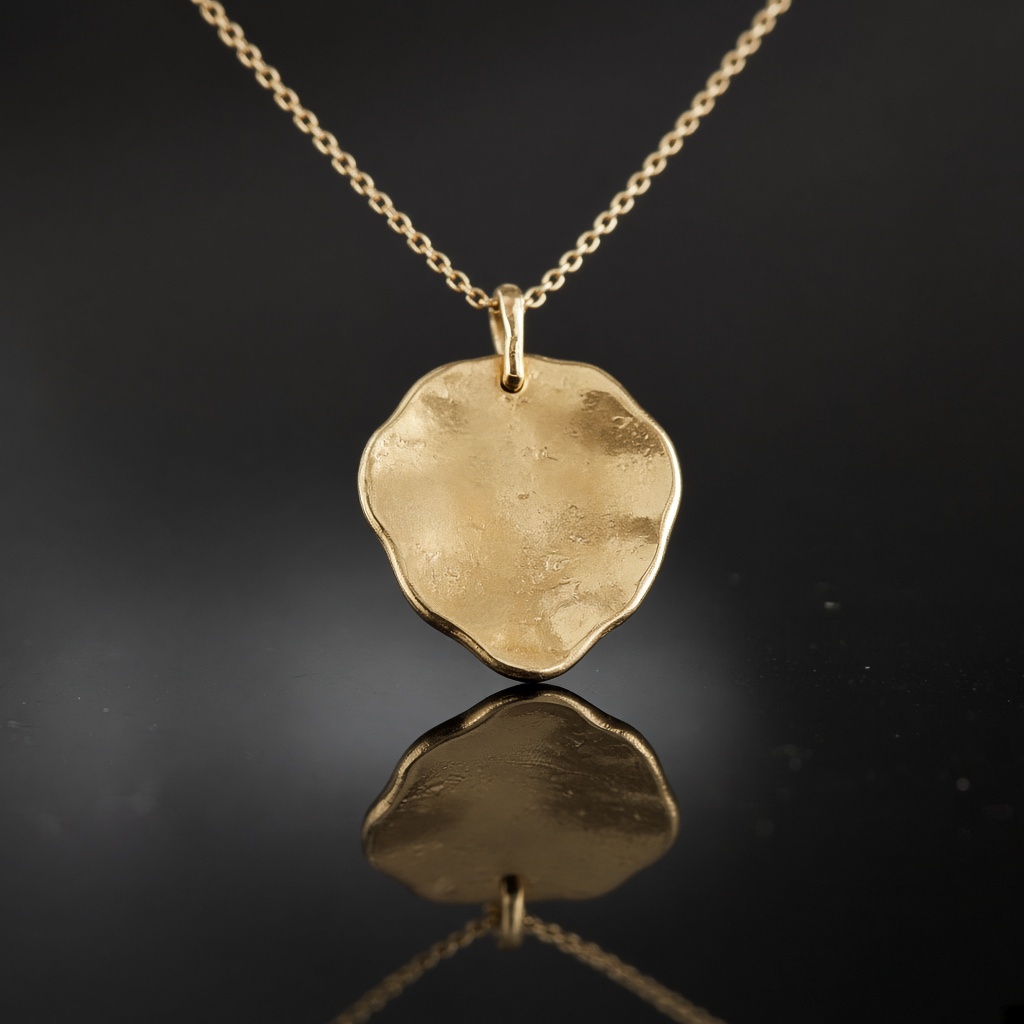
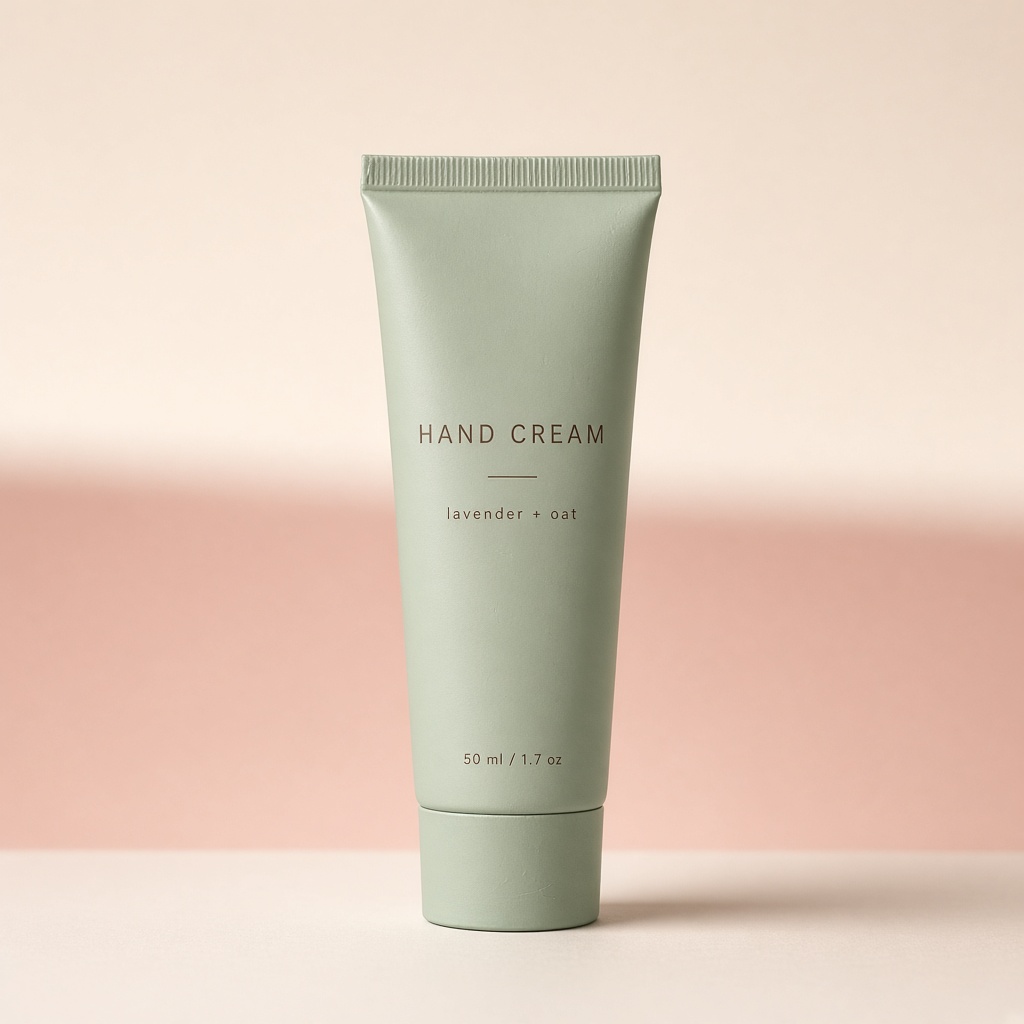
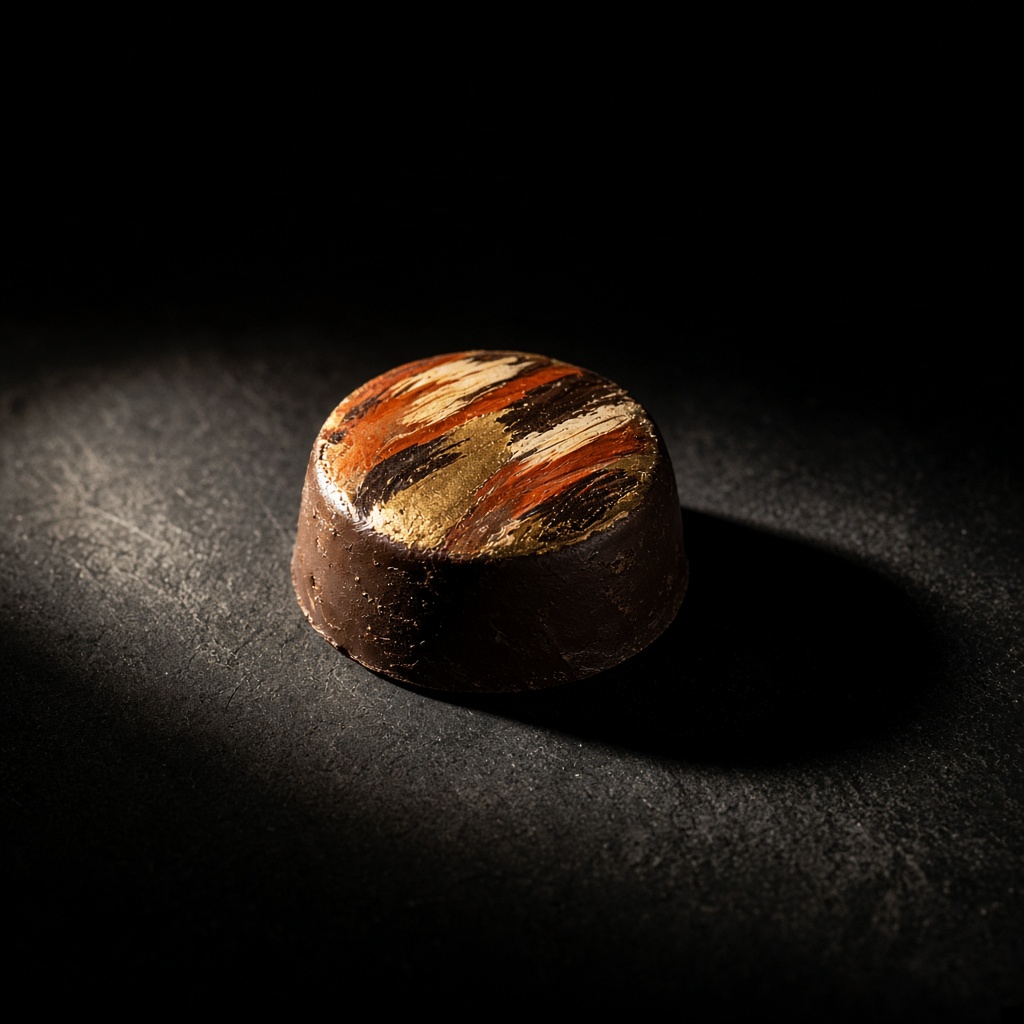
It has to still be your item
The instinct is to fight it with more light. It makes things worse: every lamp you add is another reflection with your ceiling in it.
What works is the opposite. A dark ground with light coming from behind draws the edge of the glass as a bright line, so the shape reads without the background having to be brighter than the object. A polished surface underneath gives a reflection that belongs there instead of one that does not. The studio black and reflective surface scenes are those two setups, and they are the reason a spirits brand shoots on black while a soap brand shoots on white.
- Edges that hold all the way round, so the shape is legible
- The colour of what is inside, not a grey version of it
- A label that faces the camera and is not sitting under a highlight
- No window, no ceiling light and no photographer in the reflection
Three steps, about a minute
01
Upload your photos
Two or three angles on a phone is plenty. We cut the background automatically.
02
Pick your scenes
Tick as many as you like from 56 staged settings, or describe your own.
03
Get your shots
They arrive together in your gallery, ready to download for a listing or a post.
Questions people ask before they sign up
- My bottle is clear and mostly empty. Will that work?
- Better than a full one, usually. An empty clear bottle is the hardest case for a phone and the easiest to relight, because there is less inside to argue with the background.
- Will the liquid colour stay accurate?
- Send the reference against something pale so we read the true tone rather than what the table lent it. Colour drifting is the one thing that causes returns, so it is worth the extra thirty seconds.
- Can I keep my label readable?
- Photograph it square to the camera and unbent. Text that is legible in the reference is respected; text we have to reconstruct is not.
Also sells like you
Photographing silver, gold and polished metal
Polished metal photographs as grey, and grey does not sell at that price
Photographing black and dark products
A black product photographs as a silhouette with a price on it
Photographing 3D prints
A print photographed badly looks exactly like the render it came from
Glass photographs as a smudge, and it is not your camera
Start with 3 free images. No card, no account.
Try it free