The rustic look
Rustic is what handmade looks like when it is photographed honestly
Linen, pale wood, daylight from one side. It is the visual language buyers already read as made by a person, and it costs nothing but consistency.
Sized and staged for Etsy · Instagram · Shopify
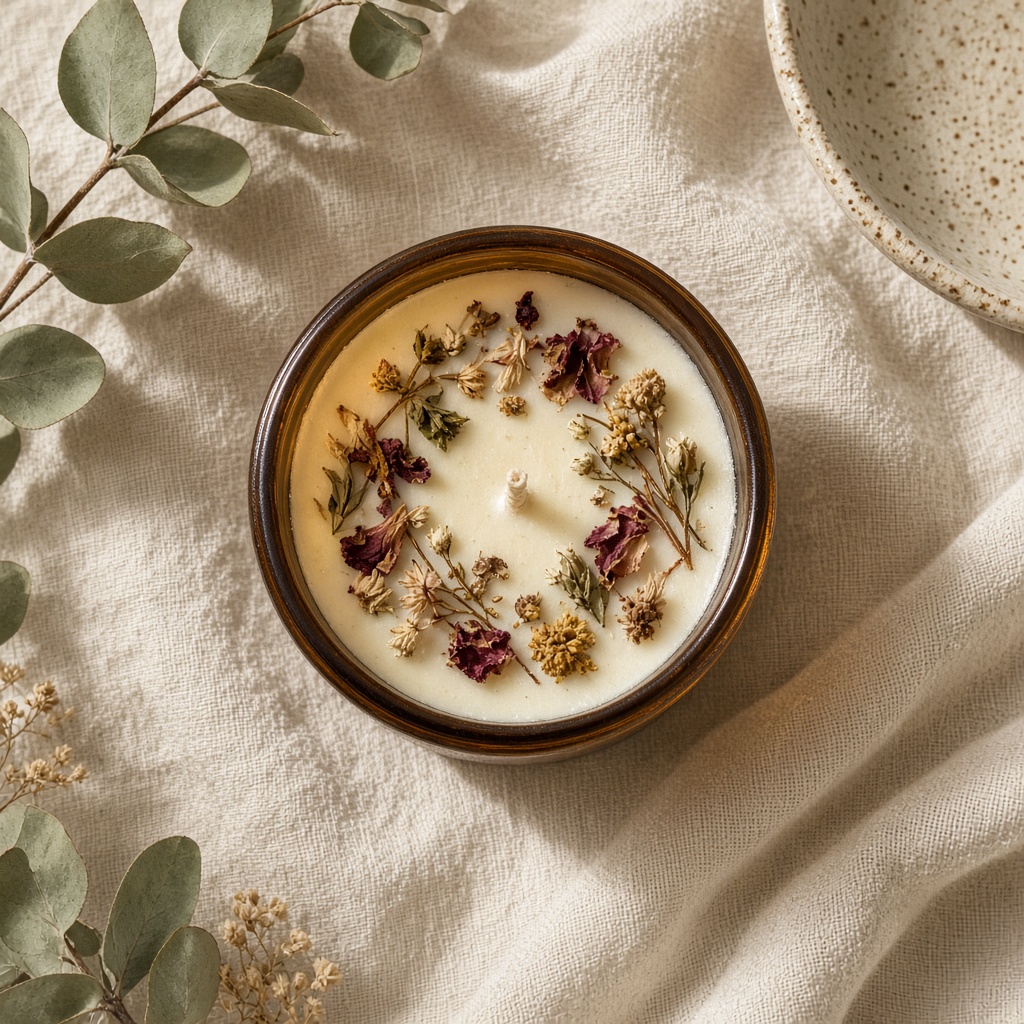
Rustic is the default dialect of handmade selling, and it earned that position honestly: warm surfaces, natural materials and side daylight make an object look like it came from a workshop rather than a factory, which is exactly the claim a maker is making.
The look is a small vocabulary. Linen, unfinished or pale wood, plaster, stone. Light from one window rather than from overhead. A few props that belong to the object — dried flowers beside a candle, oats beside soap, a spool of thread beside stitching — pushed to the edges so they frame rather than compete.
Done well it does something a plain background cannot: it tells a buyer what the thing is for and roughly what it costs before they read a word.
Why your photos are costing you sales
Done badly it becomes clutter, and clutter is the most expensive mistake in the style. Every extra object in the frame is something a buyer has to rule out before they can see what is for sale, and at thumbnail size a busy flat-lay is illegible.
The other trap is that rustic is the hardest look to keep consistent by hand. The props change, the surface changes, the light changes with the weather, and a shop ends up with forty photographs that are all rustic and none of which match. That is worse than plain white, because it looks like effort was made and missed.
The scenes that suit your work
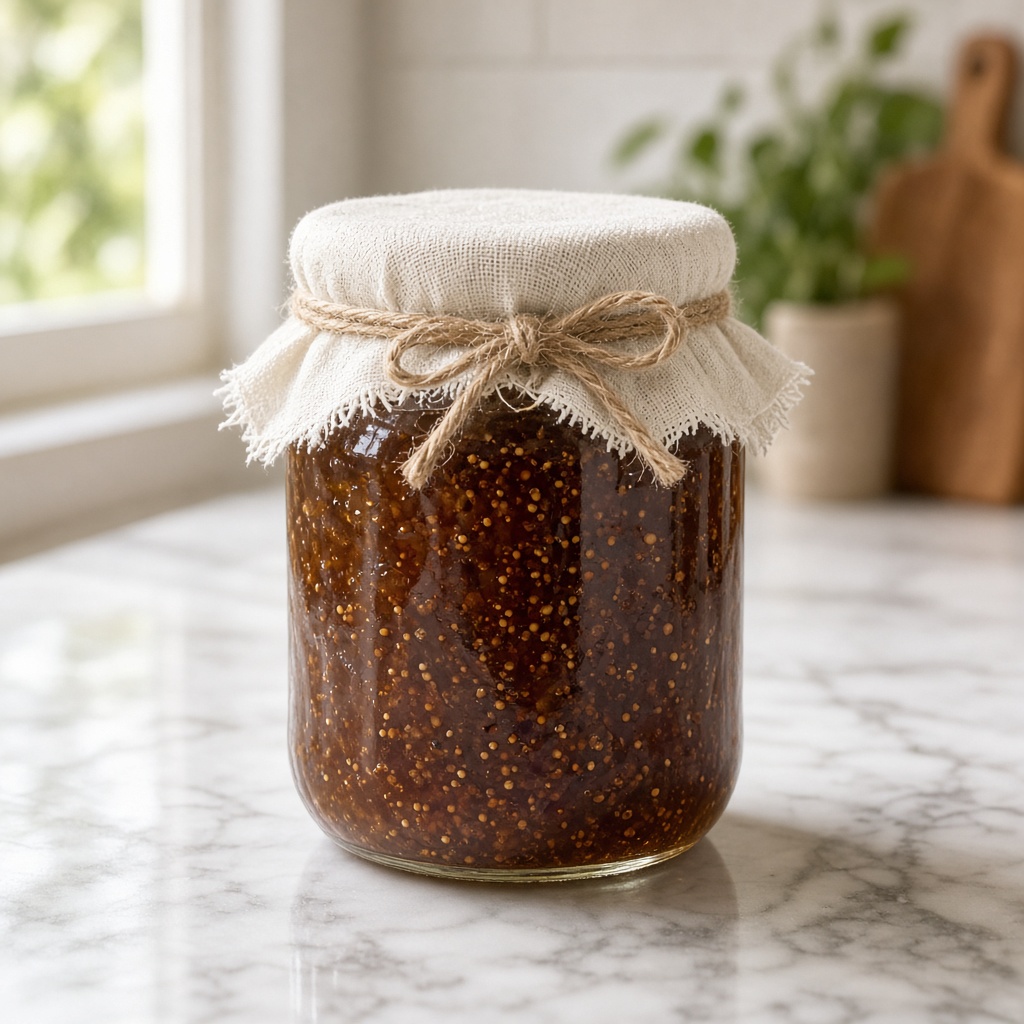
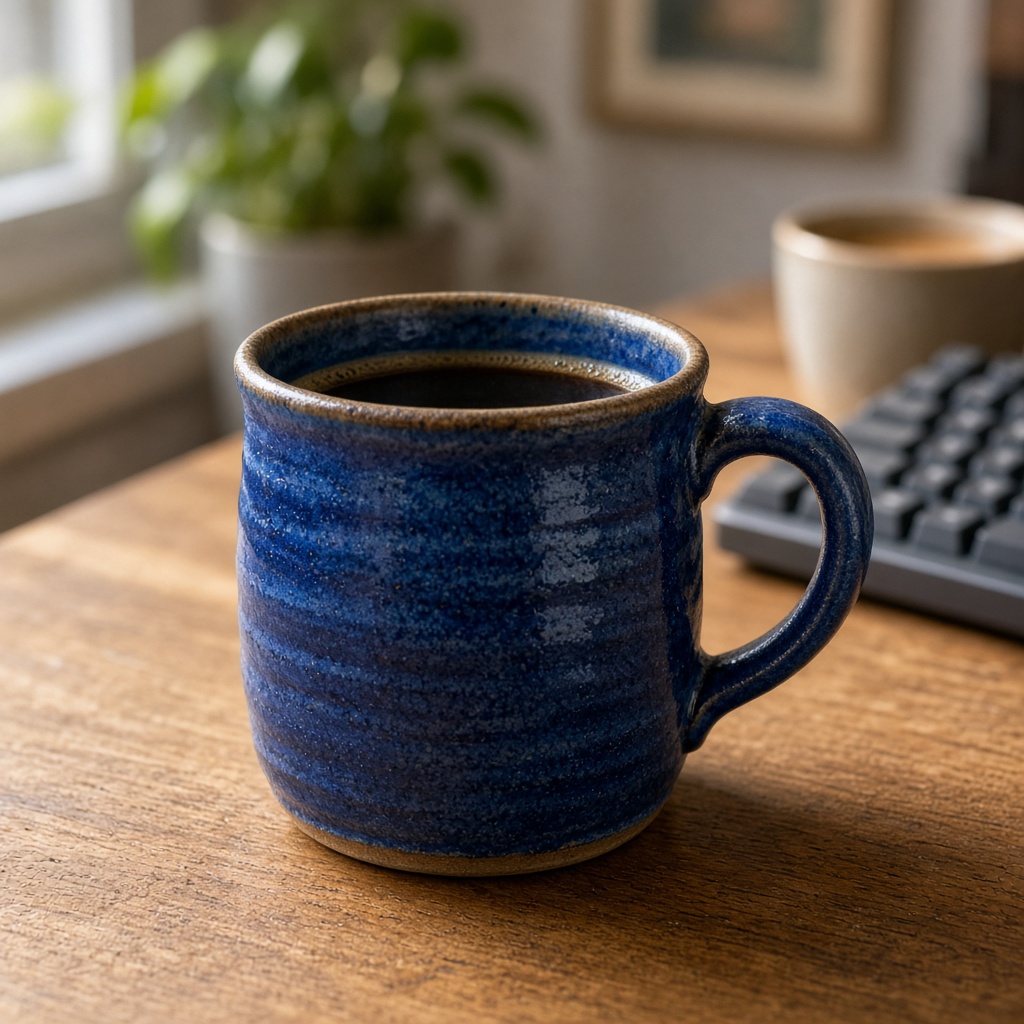
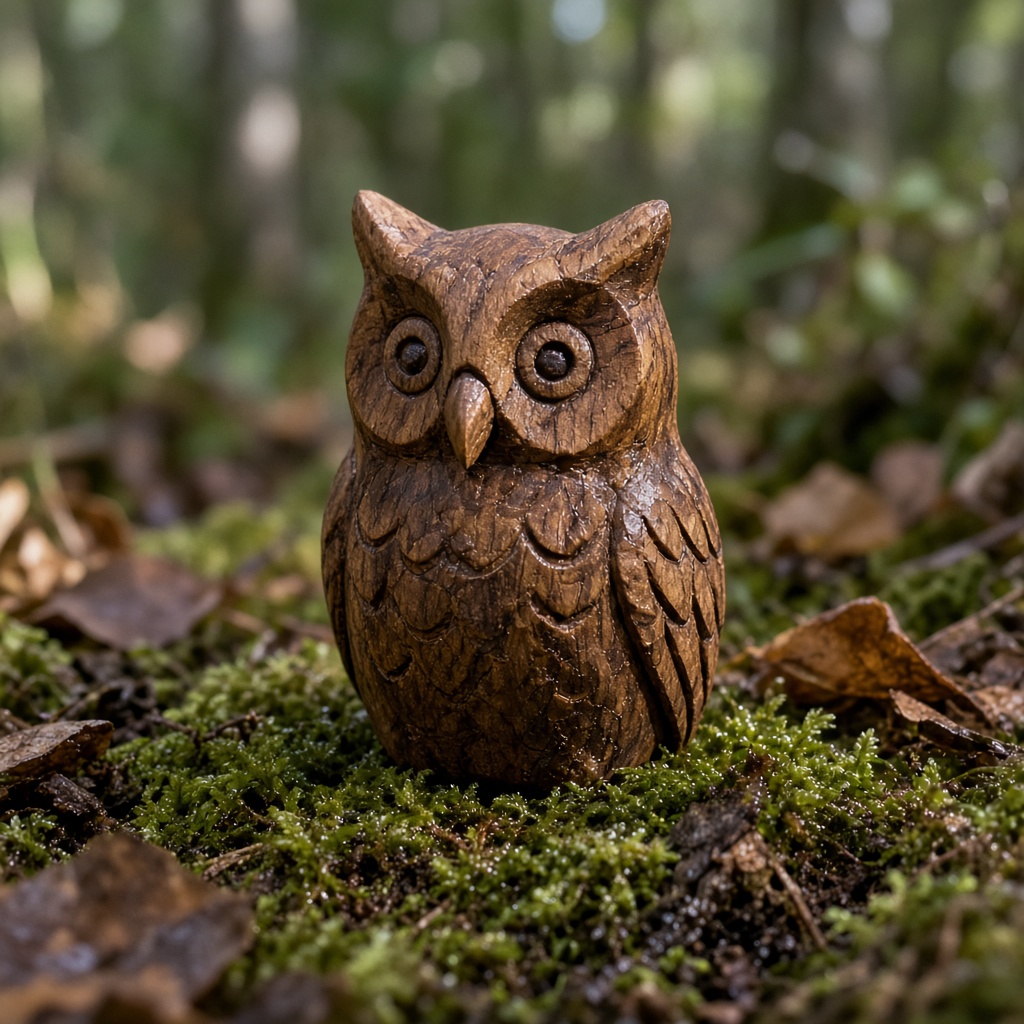
A handful chosen for what you sell, out of the full library.
It has to still be your item
Do not gather props. The surface, the light and the styling are built around the object, so a bare reference on any flat surface is better than one you have already dressed — a busy background in the photo you send tends to leak into the result as clutter.
Photograph from directly above with the phone parallel to the table. A tilt puts a lean in the object that the flat-lay then has to fight, and that is the one thing this look cannot quietly correct.
- The handmade signal, without a prop cupboard
- Styling that stays the same across forty listings
- Props that frame the object instead of competing with it
- Legible at thumbnail size, which is where buyers actually look first
Three steps, about a minute
01
Upload your photos
Two or three angles on a phone is plenty. We cut the background automatically.
02
Pick your scenes
Tick as many as you like from 56 staged settings, or describe your own.
03
Get your shots
They arrive together in your gallery, ready to download for a listing or a post.
Questions people ask before they sign up
- Can I use this as my first listing image?
- On Etsy, yes — it is the platform's native language. On Amazon or Skroutz, no: they want pure white with nothing else in the frame, and a styled flat-lay will fail the rule.
- Will the props be the same every time?
- The scene stays the same, so the surface and the light do. Use the same scene across a range and it will read as one set.
- My product is tall. Does flat-lay work?
- Not well — a bottle photographed from directly above is a circle. Use the kitchen counter or the warm desk instead; both are rustic and both are shot from the side.
Also sells like you
Rustic is what handmade looks like when it is photographed honestly
Start with 3 free images. No card, no account.
Try it free