Photographing food and baking
Food photographed under kitchen lights looks like leftovers
The room you make it in is the worst-lit room you will ever photograph in, and it is the only one you have time to use.
Sized and staged for Instagram · Etsy · Wolt · efood
Commercial kitchens and home kitchens are lit for working, which means overhead fluorescents or warm ceiling bulbs, and both are close to the worst possible light for food. Overhead light flattens everything, kills the sheen on a glaze, and turns a warm bake grey-green or orange depending on which bulb won.
Food also has a clock on it. A dish looks its best for about ninety seconds — a scoop is melting, a crema is collapsing, a fresh cut is drying at the edge — and by the time the lighting has been sorted out the subject has changed. That is the real reason so few small food businesses have good photographs: not the skill, the timing.
So the workable approach is to photograph fast and fix the light afterwards.
Why your photos are costing you sales
For a delivery listing the cost is direct and measurable. Delivery apps put your dish next to eight others in a grid, all at the same size, and the one that looks warm and freshly made gets the order. Nothing else on that screen is doing any work.
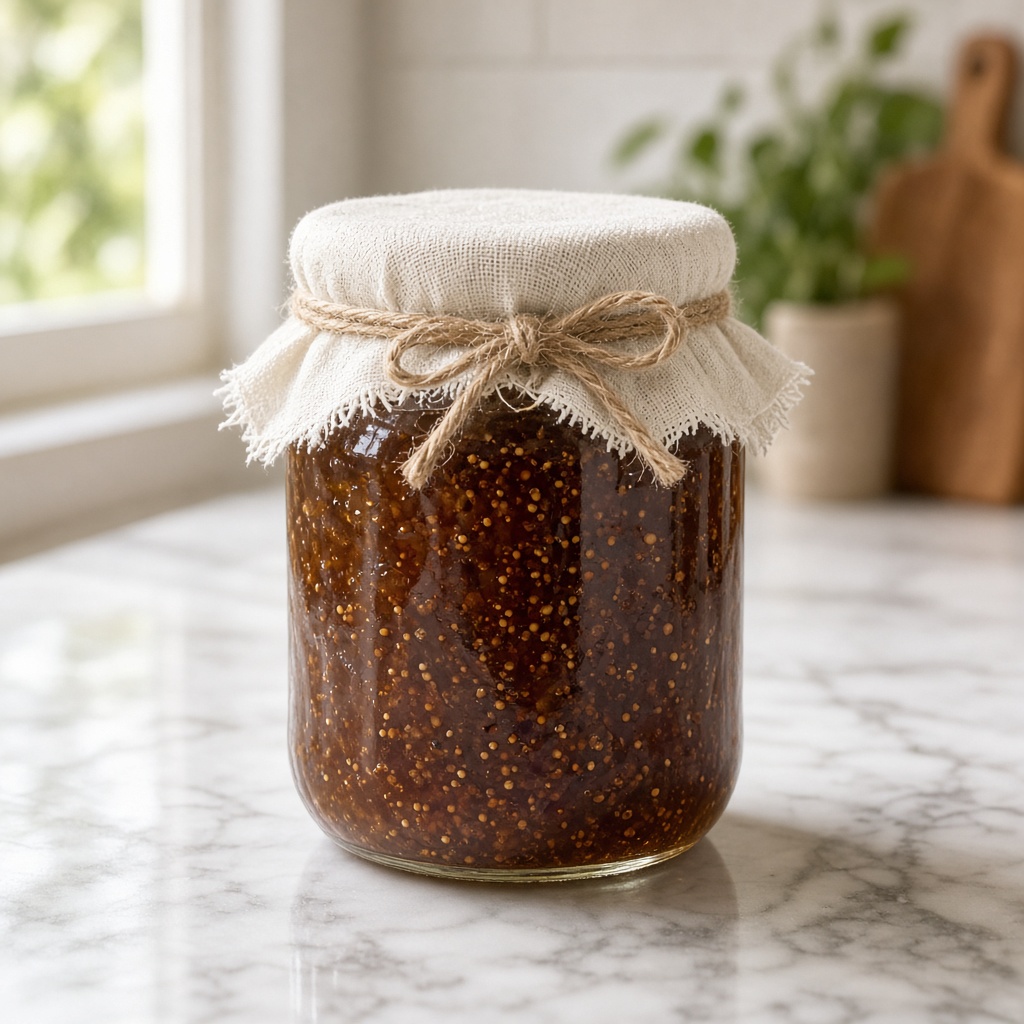
For a bakery selling online the problem is different: colour. Chocolate photographed under a warm bulb goes red, cream goes yellow, and a pistachio anything goes khaki. Those are the exact tones that make somebody hungry or not, and none of them survive a kitchen ceiling.
The scenes that suit your work
A handful chosen for what you sell, out of the full library.
It has to still be your item
Plate it the way it goes out, shoot it from slightly above near the brightest light you have, and send it. It does not need to be hot when you photograph it — the steam is added afterwards, and a cold plate photographed calmly beats a hot one photographed in a rush.
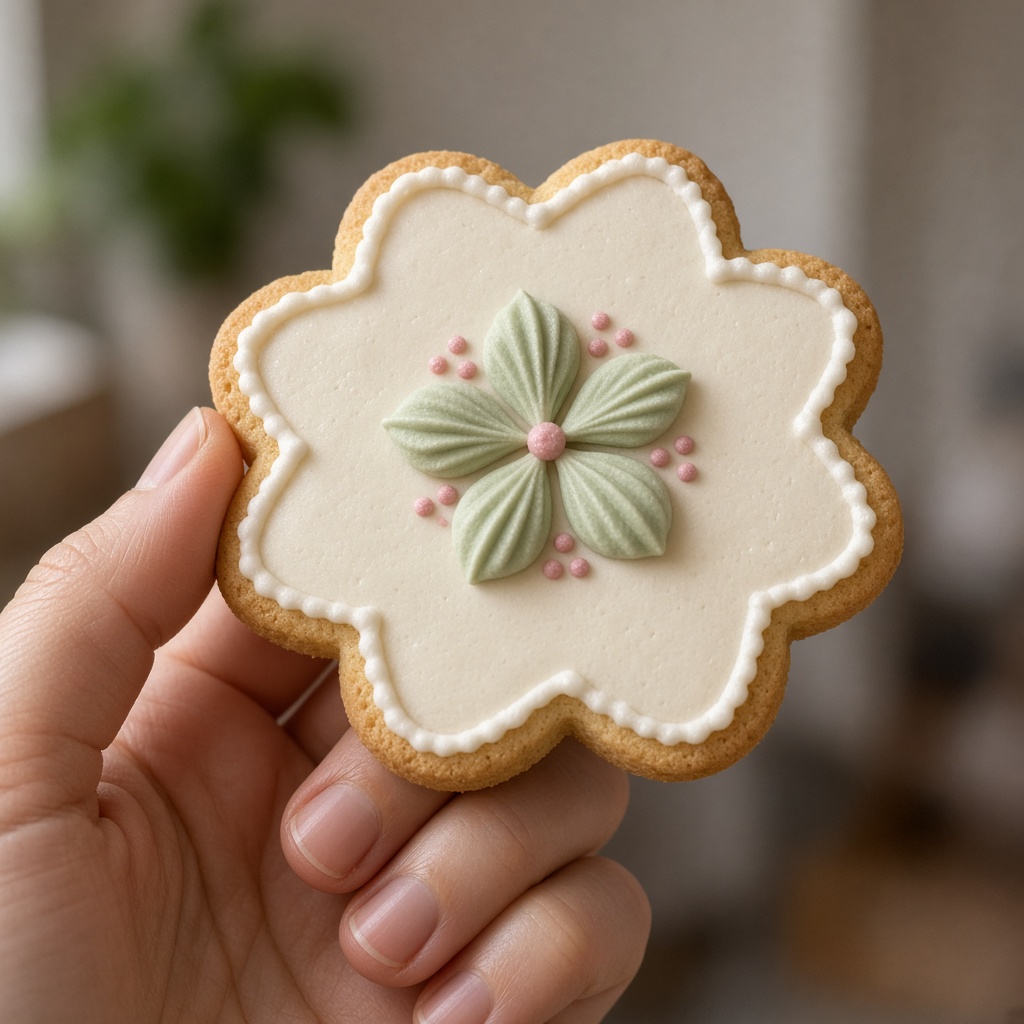
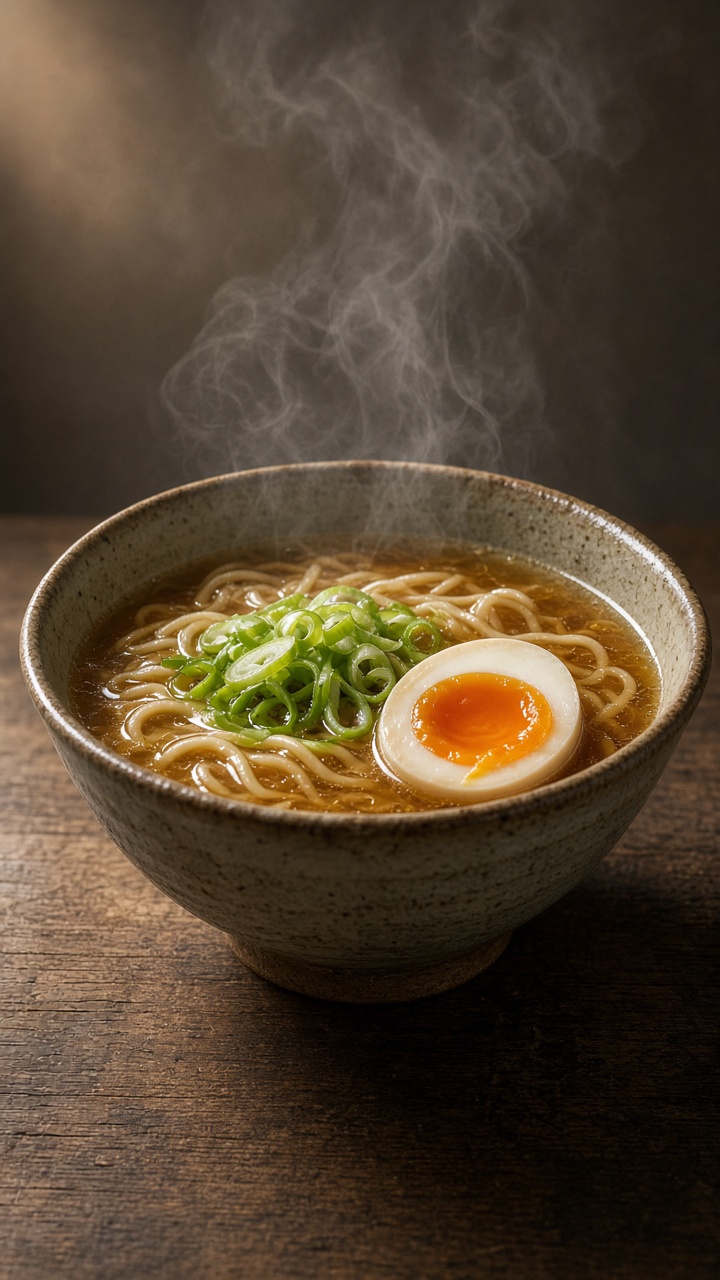
The counter scene is the honest home for most of it: bright daylight, a stone or timber worktop, and just enough kitchen behind to place it. The steam clip is the strongest single thing a delivery listing can have, because it says the dish is hot right now, which is the entire proposition. And the hand scene works on anything held — a cookie, a bao, a cone — where size and freshness arrive in the same picture.
- Daylight on a dish you photographed at nine at night
- Chocolate, cream and pistachio that are the colour they actually are
- The same treatment across a menu, so the grid holds together
- Steam on the things that should be hot, without reheating anything
Three steps, about a minute
01
Upload your photos
Two or three angles on a phone is plenty. We cut the background automatically.
02
Pick your scenes
Tick as many as you like from 56 staged settings, or describe your own.
03
Get your shots
They arrive together in your gallery, ready to download for a listing or a post.
Questions people ask before they sign up
- Will it add food that is not there?
- No. It restages the plate you photographed; it does not add a garnish or fill a bowl. A delivery photo showing more than the customer receives is the complaint you do not want.
- Do delivery apps allow this?
- You are photographing your own dish and changing the setting, which is what a photographer with a light does. Showing a dish you do not serve is the thing that gets a listing removed, and that is not this.
- My kitchen has no window at all.
- Then this is exactly the case it exists for. Shoot under whatever light you have, keep it in focus, and the daylight is what gets replaced.
Also sells like you
Food photographed under kitchen lights looks like leftovers
Start with 3 free images. No card, no account.
Try it free