Photographing black and dark products
A black product photographs as a silhouette with a price on it
Matte black absorbs almost everything you throw at it, so the detail you spent months on arrives as a shape. The fix is light that skims rather than light that floods.
Sized and staged for Amazon · Shopify · Etsy · Instagram
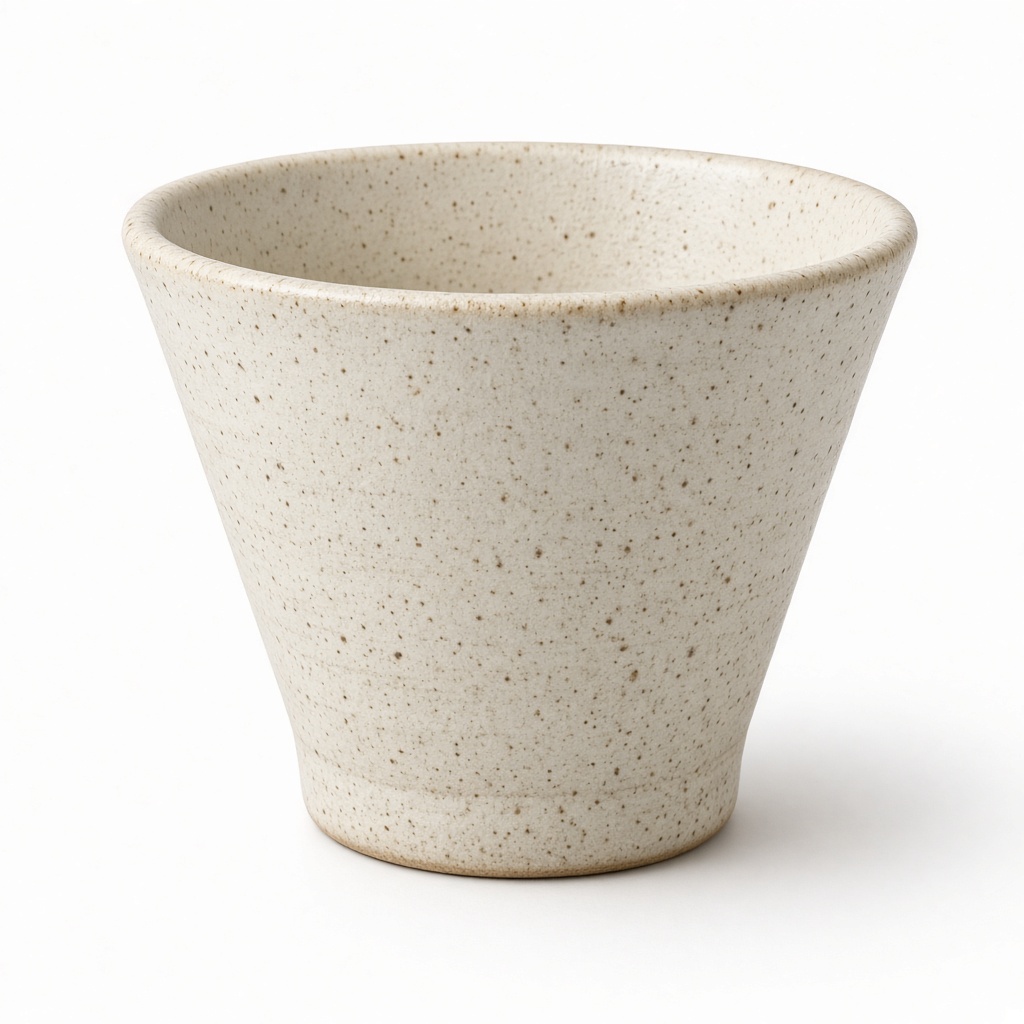
Matte black is the least forgiving surface in product photography, and it is everywhere: streetwear, tech accessories, 3D prints in black PLA, leather, cast iron, candles in black glass.
The problem is that a matte black surface returns very little light in any direction, so a camera has nothing to build an image out of. Turn the exposure up and the background blows out while the product stays flat. Turn it down and the product becomes a hole. What you end up with is an outline: correct in shape, empty of everything that justifies the price.
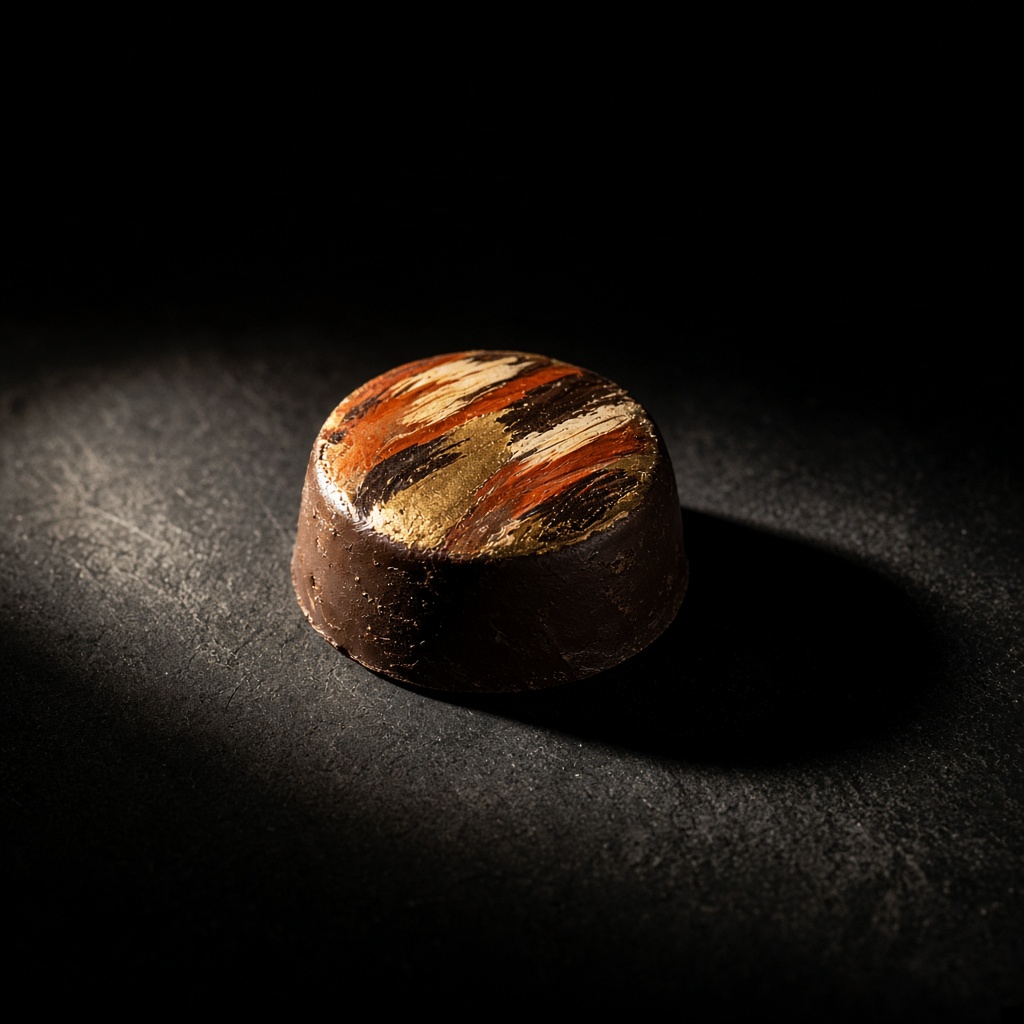
Studios solve this with raking light — a source almost parallel to the surface, so it catches every edge, seam, weave and layer line without ever hitting the front flat on.
Why your photos are costing you sales
The commercial cost is specific. Texture is what a buyer uses to judge quality on a dark product, and texture is exactly what a flat photograph destroys. A hand-stitched black leather wallet and a glued one look the same in a silhouette.
There is a second problem on marketplaces. Amazon and most catalogues want a pure white background, and a black product against pure white is the highest-contrast image a screen can show. Left alone, the edges go hard and jagged and the whole thing looks cut out — which is the exact impression a listing cannot afford.
The scenes that suit your work
A handful chosen for what you sell, out of the full library.

It has to still be your item
Do not photograph black on black. It is the most common instinct and it removes the last edge you had.
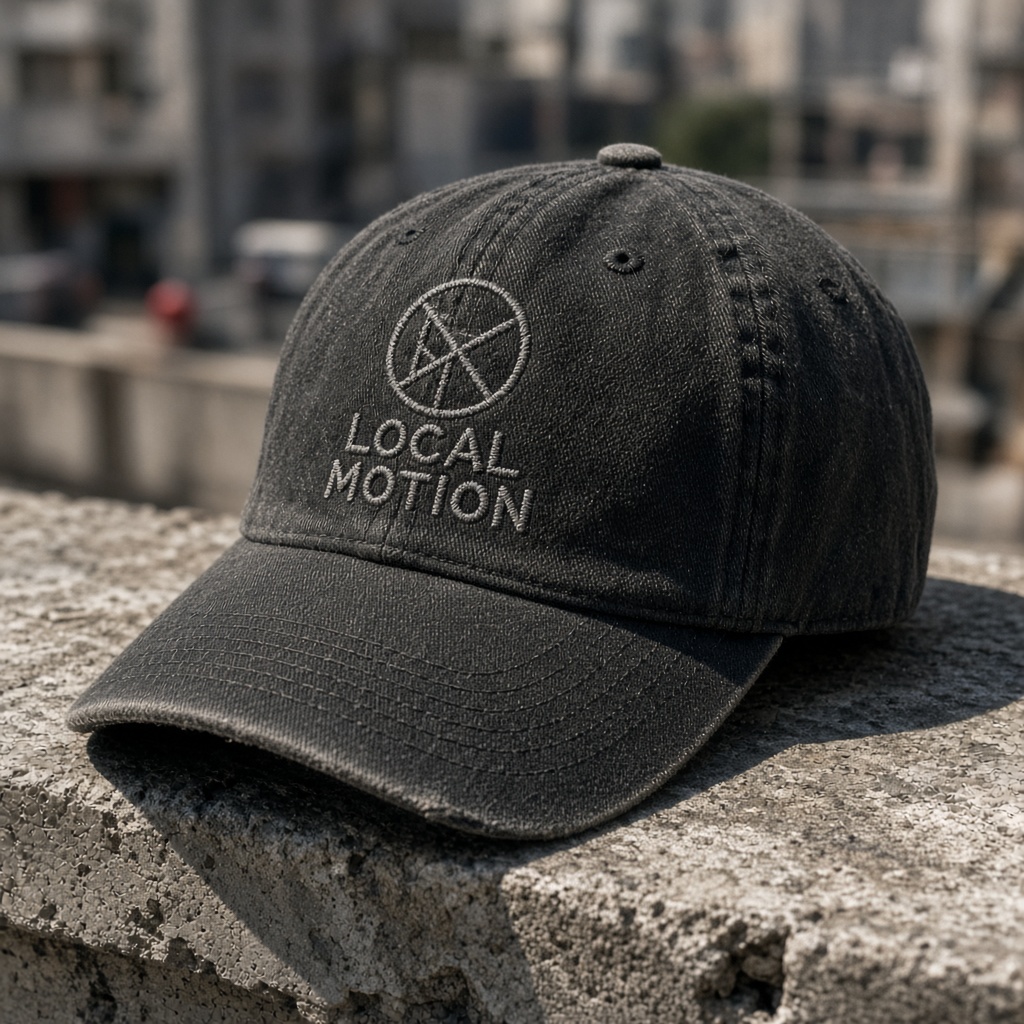
Pure white works, but only with a real contact shadow underneath and a soft falloff at the edges, which is what stops it reading as a cutout. A gradient backdrop is often better: the tone behind shifts, so the product separates without needing a hard line. And for anything where the surface is the argument — a hammered finish, a weave, a hand-stitched seam — the dramatic spotlight is the scene that exists to make texture visible, because a single hard source is the only thing that ever does.
- Seams, weave and layer lines visible instead of a filled outline
- Marketplace-legal white without the cut-out look
- Edges that stay soft where a hard crop would give you away
- The same treatment across a range, so black items match each other
Three steps, about a minute
01
Upload your photos
Two or three angles on a phone is plenty. We cut the background automatically.
02
Pick your scenes
Tick as many as you like from 56 staged settings, or describe your own.
03
Get your shots
They arrive together in your gallery, ready to download for a listing or a post.
Questions people ask before they sign up
- My phone photo is very dark. Is it usable?
- Usually yes, as long as the shape and the edges are there. Underexposed is easier to work from than blown out, because nothing has been thrown away — a burnt-out highlight has no detail left to recover.
- Can I get pure white for Amazon?
- That is what the Amazon white scene is for, and it is the shape of the rule rather than a stylistic choice: pure white, the product filling most of the frame, nothing else in it.
- Will 3D print layer lines show?
- Yes, and they should. Buyers of printed parts read layer lines as evidence of how it was made; smoothing them away is what makes a print look like a stock render.
Also sells like you
A black product photographs as a silhouette with a price on it
Start with 3 free images. No card, no account.
Try it free