Grill and meat dishes
Meat has about ninety seconds, and your kitchen light is working against it
Char, glaze and rising steam are the whole sell, and all three are gone by the time you have found the light.
Sized and staged for Wolt · efood · Instagram · Google Business
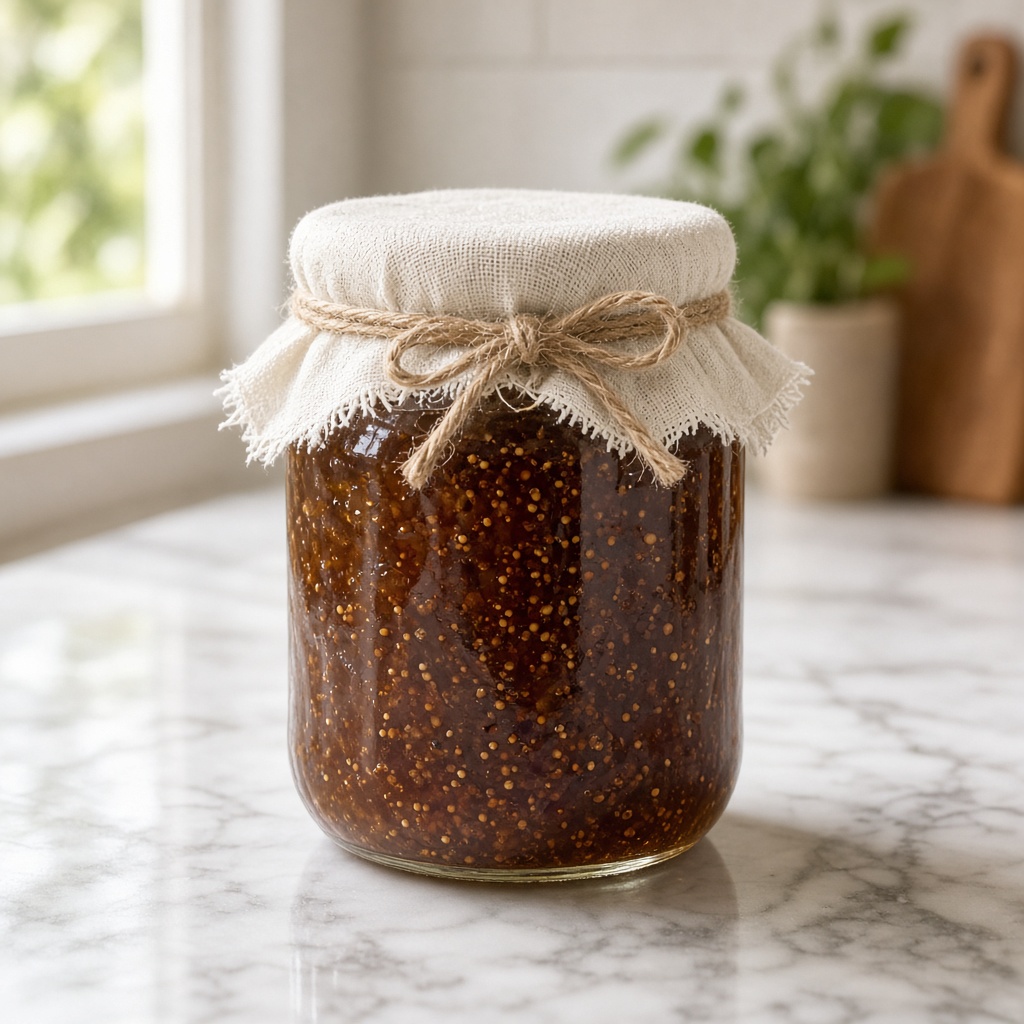
Grilled meat photographs badly for a reason that has nothing to do with skill: it stops looking like itself almost immediately. The surface dulls as it cools, the juices set, and the steam that said "just off the grill" is gone inside two minutes.
Then there is the light. Every kitchen with a grill in it is lit from overhead, and overhead light on meat flattens the char into a brown smear. Char is texture, and texture only exists when light crosses a surface at an angle rather than falling straight onto it.
The result is the photograph every taverna and every delivery listing has: a correct picture of the right food that makes nobody hungry.
Why your photos are costing you sales
On a delivery app the cost is countable. Your souvlaki sits in a grid beside eight others at the same size and the same price, and the one that looks hot gets the order. Nothing else on that screen is doing any work — not the description, not the reviews, not the name.
The second problem is that meat is the category where a bad photograph reads as a food-safety signal rather than a styling one. Grey pork looks undercooked. A dull chop looks reheated. Neither is true and both cost the order.
The scenes that suit your work
A handful chosen for what you sell, out of the full library.
It has to still be your item
Plate it the way it goes out and photograph it immediately, in the brightest light you have, from slightly above. It does not need to still be hot when you shoot — the steam is added afterwards, and a plate photographed calmly beats one photographed while it cools.
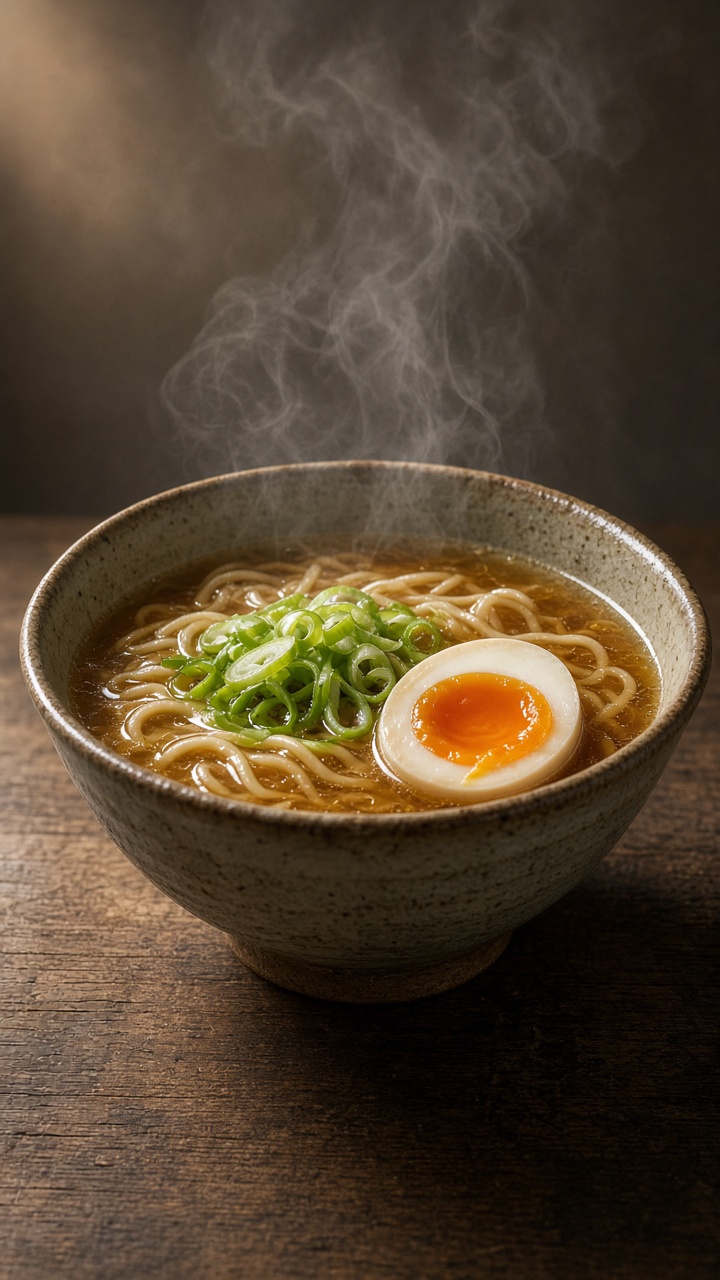
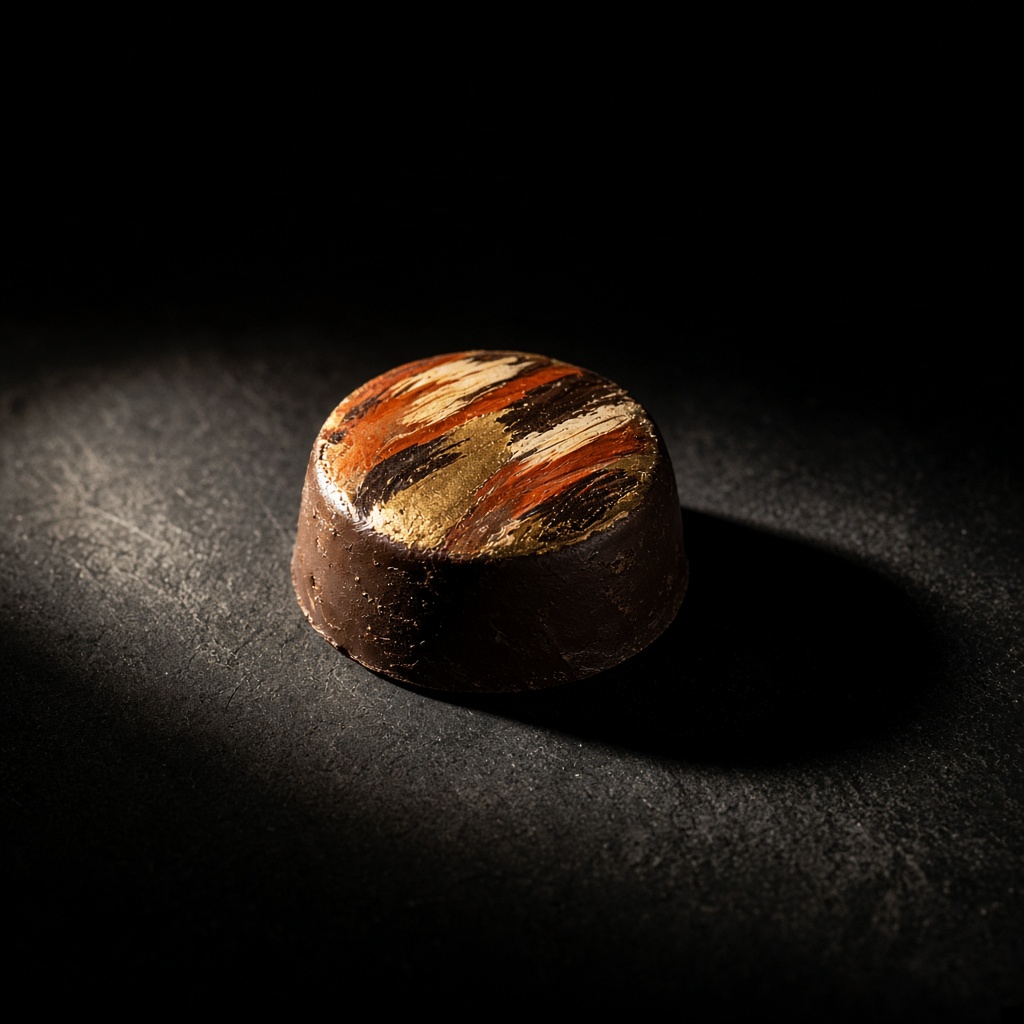
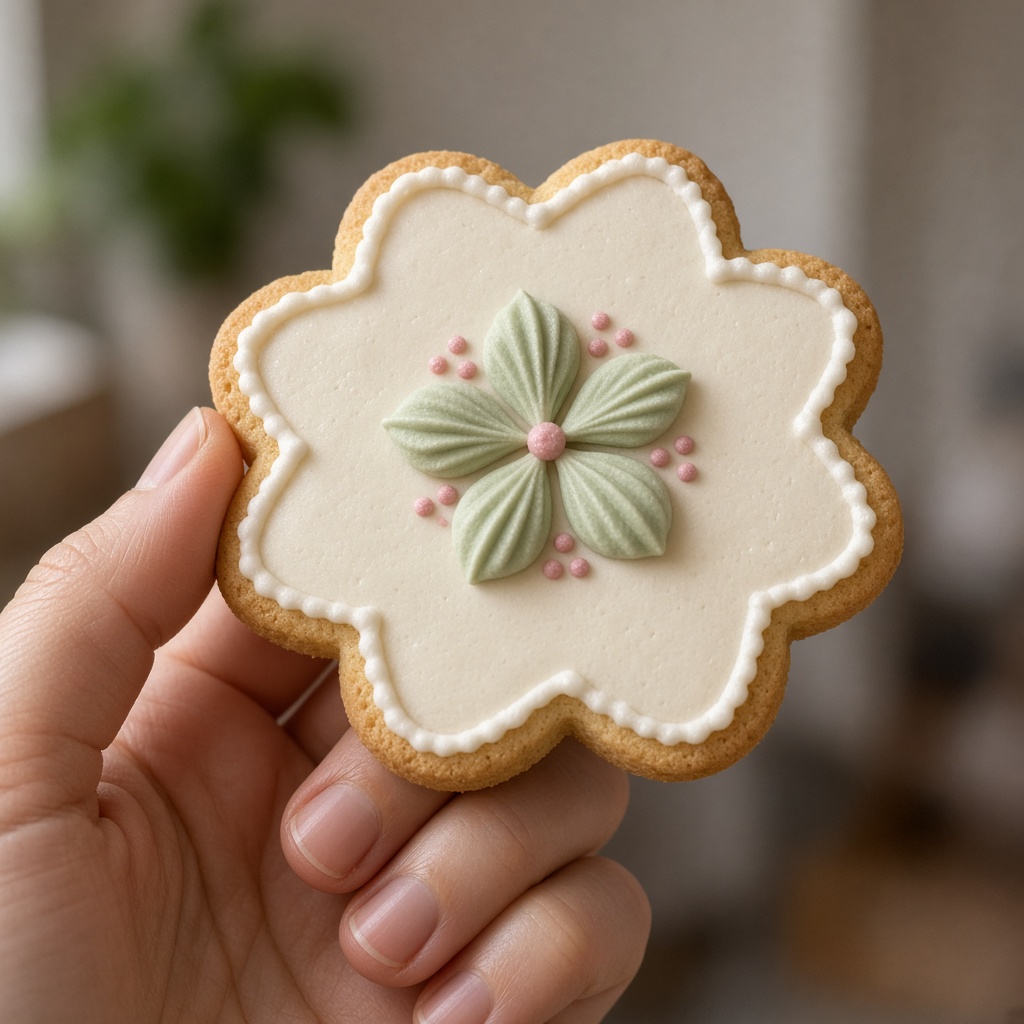
The counter scene gives it daylight and a surface that flatters browning instead of greying it. The steam clip is the strongest single thing a delivery listing can carry, because it says the dish is hot right now, which is the entire proposition of ordering food. And the spotlight is what makes char read as char — a single hard source is the only thing that ever makes texture visible.
- Char and grill marks visible instead of a brown smear
- Steam on a plate you photographed after service
- Meat that reads as cooked rather than as grey
- The same treatment across a menu, so the grid holds together
Three steps, about a minute
01
Upload your photos
Two or three angles on a phone is plenty. We cut the background automatically.
02
Pick your scenes
Tick as many as you like from 56 staged settings, or describe your own.
03
Get your shots
They arrive together in your gallery, ready to download for a listing or a post.
Questions people ask before they sign up
- Will it add food that is not on the plate?
- No. It restages what you photographed. A delivery photo showing more than the customer receives is the complaint you least want, and it is also what gets a listing pulled.
- Do the delivery apps allow this?
- You are photographing your own dish and changing the light and the setting, which is what a photographer with a softbox does. Showing a dish you do not serve is what breaks the rules, and that is a different thing.
- Can I shoot after service instead of during?
- Yes, and you should. Plate one properly when the kitchen is quiet. A calm cold plate photographs better than a hot one shot in the middle of a rush.
Also sells like you
Meat has about ninety seconds, and your kitchen light is working against it
Start with 3 free images. No card, no account.
Try it free