Photographing knitwear and textiles
Knitwear sells on texture, and texture is the first thing a phone flattens
Nobody buys a hand-knitted scarf for its shape. They buy it for the stitch, the weight and the colour — three things that need side light and a surface, not a hanger and a ceiling bulb.
Sized and staged for Etsy · Vinted · Shopify · Instagram
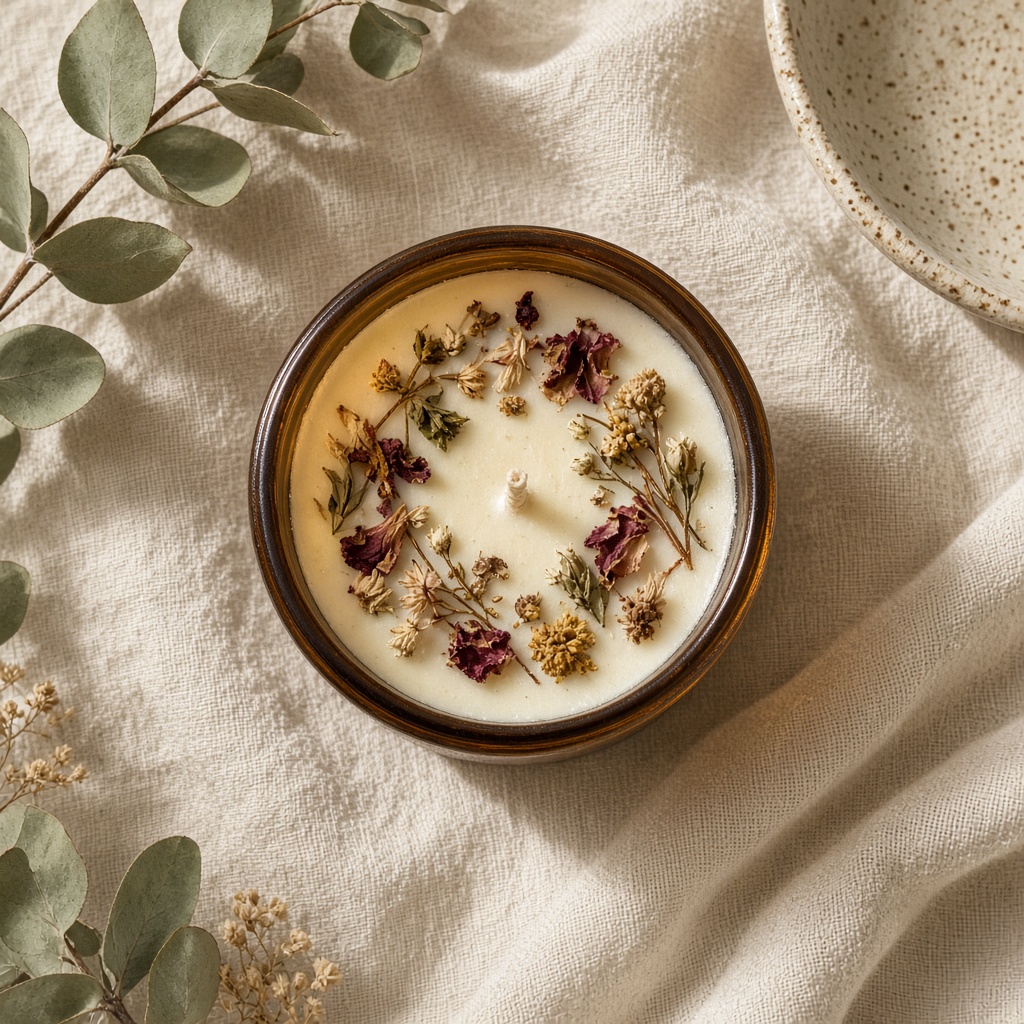
A textile is almost pure texture, and texture only becomes visible when light crosses it at an angle. Overhead light — a ceiling bulb, a bright overcast sky, the flash on a phone — arrives from the front and fills in every shadow the stitch was making. The result is a flat coloured shape where a cable knit used to be.
The second thing that goes is weight. A photograph cannot show grams, but it can show how a fabric falls: whether it holds a fold, whether it drapes or stands up, how thick the edge is. That is the information a buyer uses to decide between two scarves at different prices, and it disappears entirely on a hanger against a wall.
Both are recoverable, and neither needs a studio.
Why your photos are costing you sales
There is also a colour problem specific to yarn. Undyed cream, oatmeal, ecru and off-white are the bestsellers in hand-knitting and they are the exact tones that vanish against a white background and turn yellow under a warm bulb. A customer who ordered cream and received cream will still open a return if the photograph showed something closer to butter.
And crumples last. A jumper photographed straight out of a drawer keeps every fold it arrived with, and a fold from a drawer reads as a second-hand item no matter how new it is.
The scenes that suit your work
A handful chosen for what you sell, out of the full library.
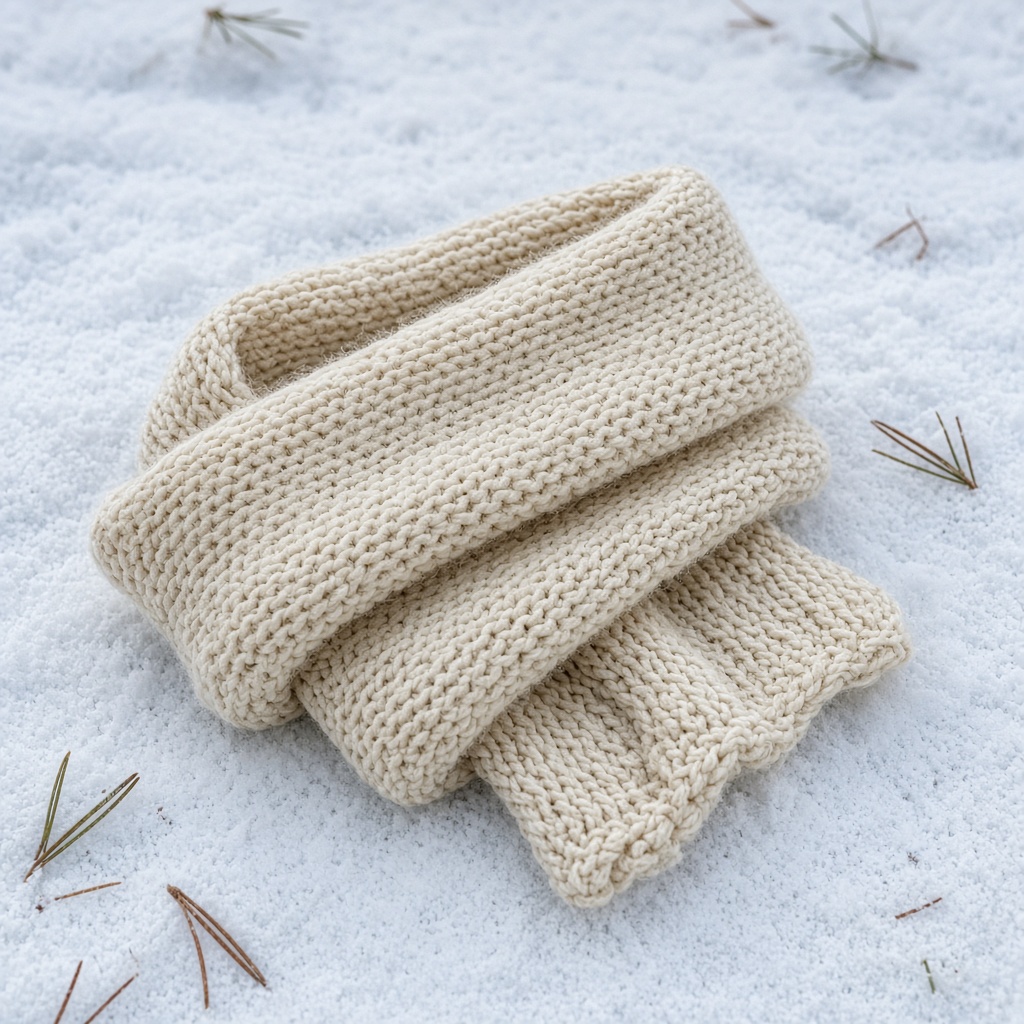
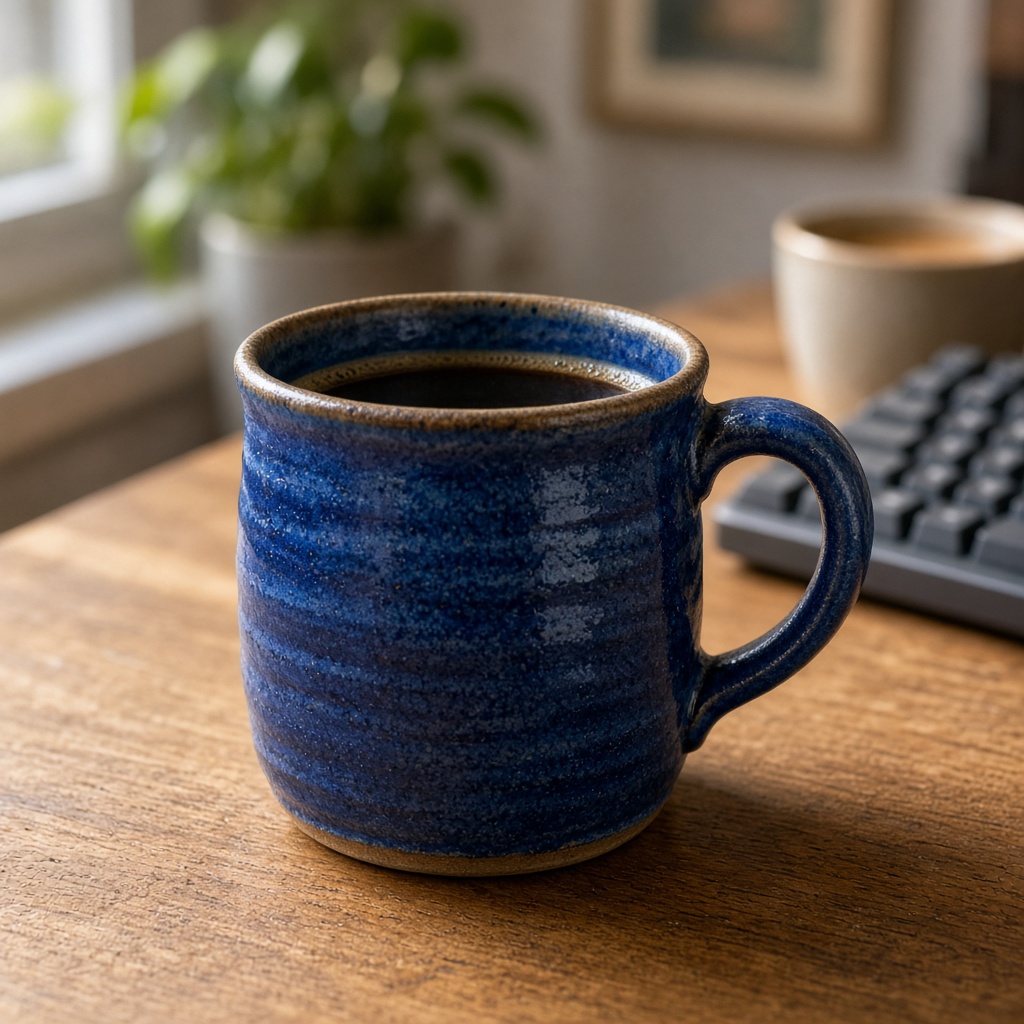
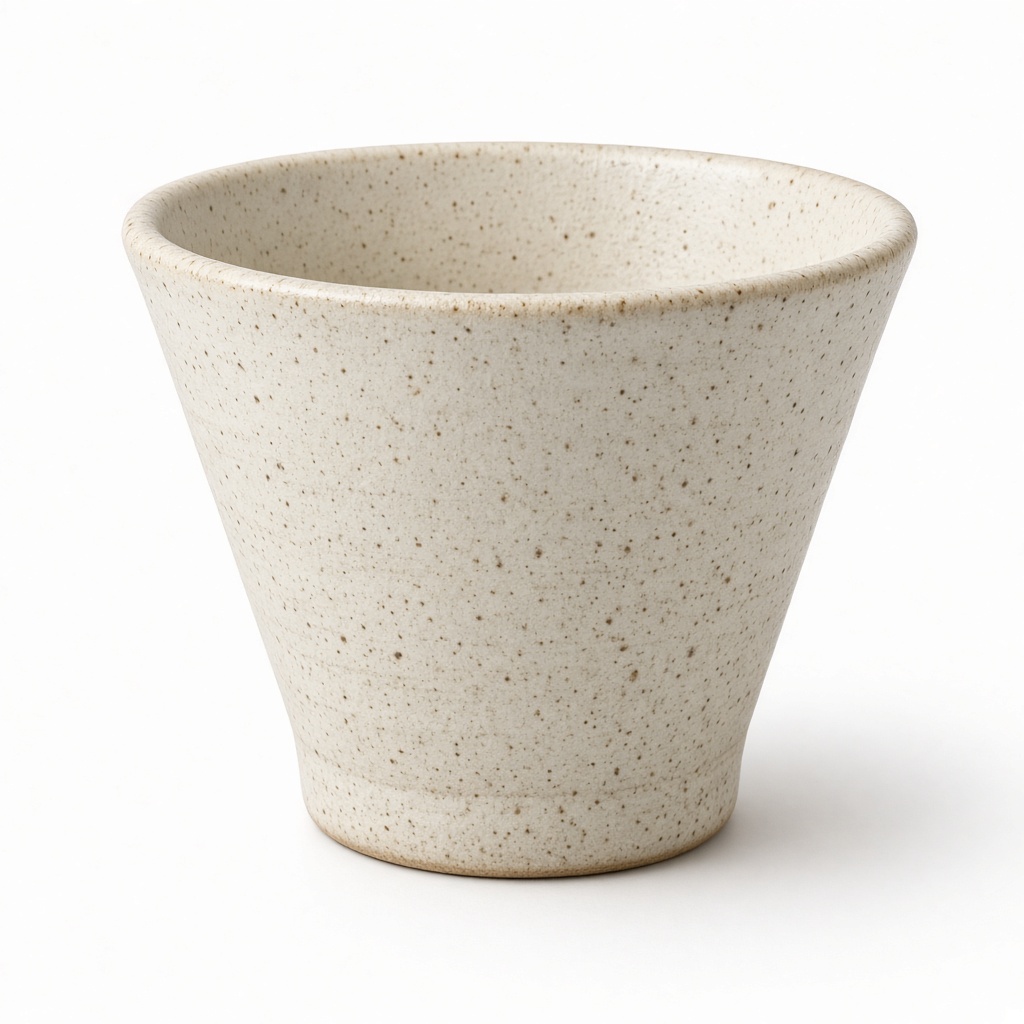
It has to still be your item
Lay it flat, do not hang it. A hanger puts a shape in the shoulders that stays in the final image, and it hides the drape entirely.
The Etsy flat-lay is the natural home for knitwear: shot straight down on linen or pale wood, with daylight from one side so every shadow falls the same way and the stitch reads. For anything cream or pale, snow is the better ground — it is white, but with texture underneath, so a pale item keeps its edges instead of dissolving. And smooth the piece before you shoot: the scene keeps the folds you give it, which cuts both ways.
- Stitch and weave visible at thumbnail size
- Drape and weight readable, so the price makes sense
- Cream and oatmeal that keep their edges against a light ground
- Colour close enough that returns stop being about the photo
Three steps, about a minute
01
Upload your photos
Two or three angles on a phone is plenty. We cut the background automatically.
02
Pick your scenes
Tick as many as you like from 56 staged settings, or describe your own.
03
Get your shots
They arrive together in your gallery, ready to download for a listing or a post.
Questions people ask before they sign up
- Can it show the item on a person?
- No — we restage the object you photographed and we never invent a person. For worn shots the flat-lay and the scale scenes are the honest alternatives, and they are what most handmade sellers use anyway.
- My yarn colour never comes out right. Why?
- Almost always a warm indoor bulb. Shoot near a window with the room lights off, and send it without a filter — we match what you send.
- Does this work for woven and printed fabric too?
- Yes. Anything where the surface carries the value behaves the same way: it needs light across it rather than at it.
Also sells like you
Knitwear sells on texture, and texture is the first thing a phone flattens
Start with 3 free images. No card, no account.
Try it free