The premium look
Expensive is a lighting decision before it is a price
Dark ground, light from behind, one object and a great deal of empty space. Every category signals price the same way, and it is learnable.
Sized and staged for Shopify · Instagram · Skroutz

Look at how watches, perfume, spirits and fine jewellery are photographed and the grammar is identical regardless of the product: a dark or deeply saturated ground, light raking in from behind to draw the edge, one object, and far more empty space around it than feels comfortable.
None of that is decoration. Darkness removes context, and removing context is what stops a buyer comparing the object to ordinary things. Space around an object reads as confidence — a page that crams six products into a frame is telling you it needs to sell six.
It is the most learnable look in the library, and the most misused.
Why your photos are costing you sales
The misuse is applying it to everything. Drama needs something ordinary next to it: a whole catalogue shot on black stops reading as premium within about four listings and starts reading as a shop that could not decide.
The second problem is that dark backgrounds punish dark products. A charcoal wool scarf on black is a shape you have to work to find, and a buyer scanning a results page will not work. This look belongs to pale, metallic, glass and polished things — the ones that have an edge worth drawing.
The scenes that suit your work
A handful chosen for what you sell, out of the full library.
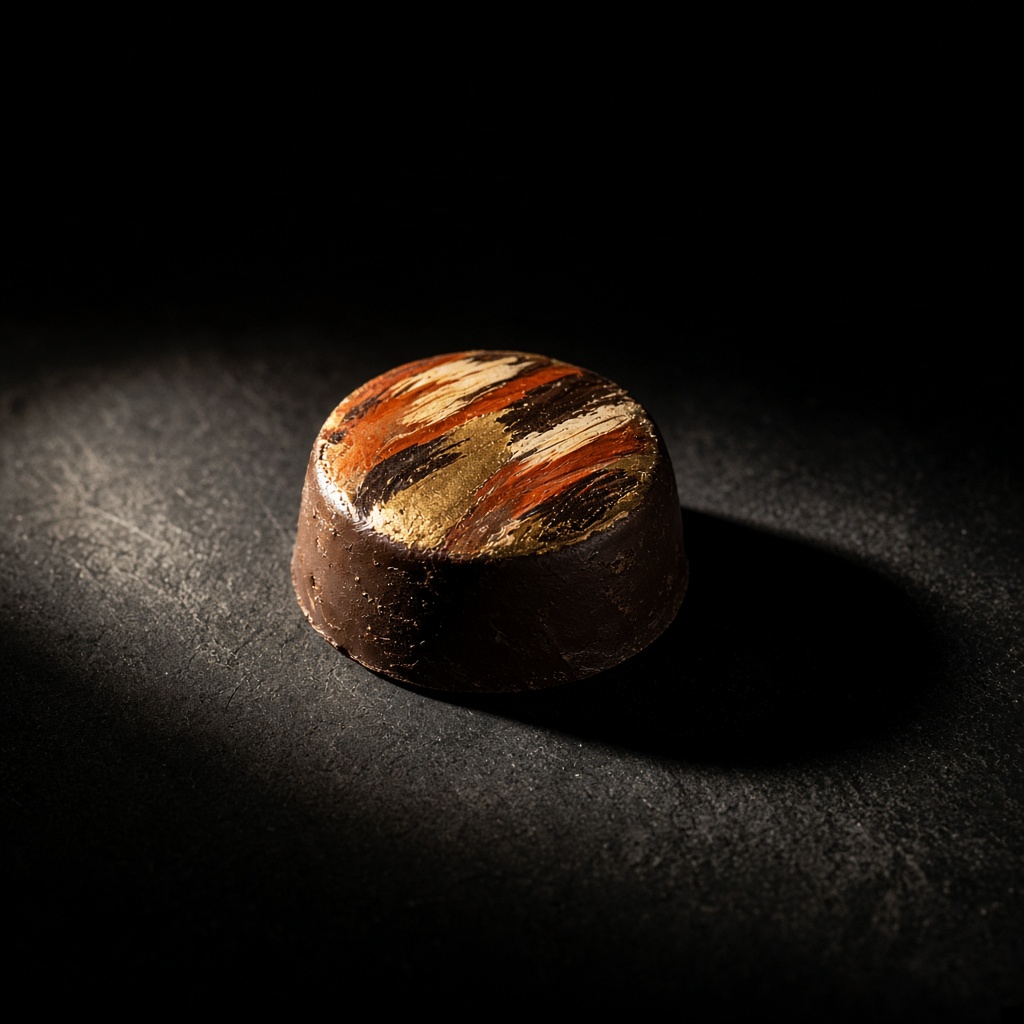

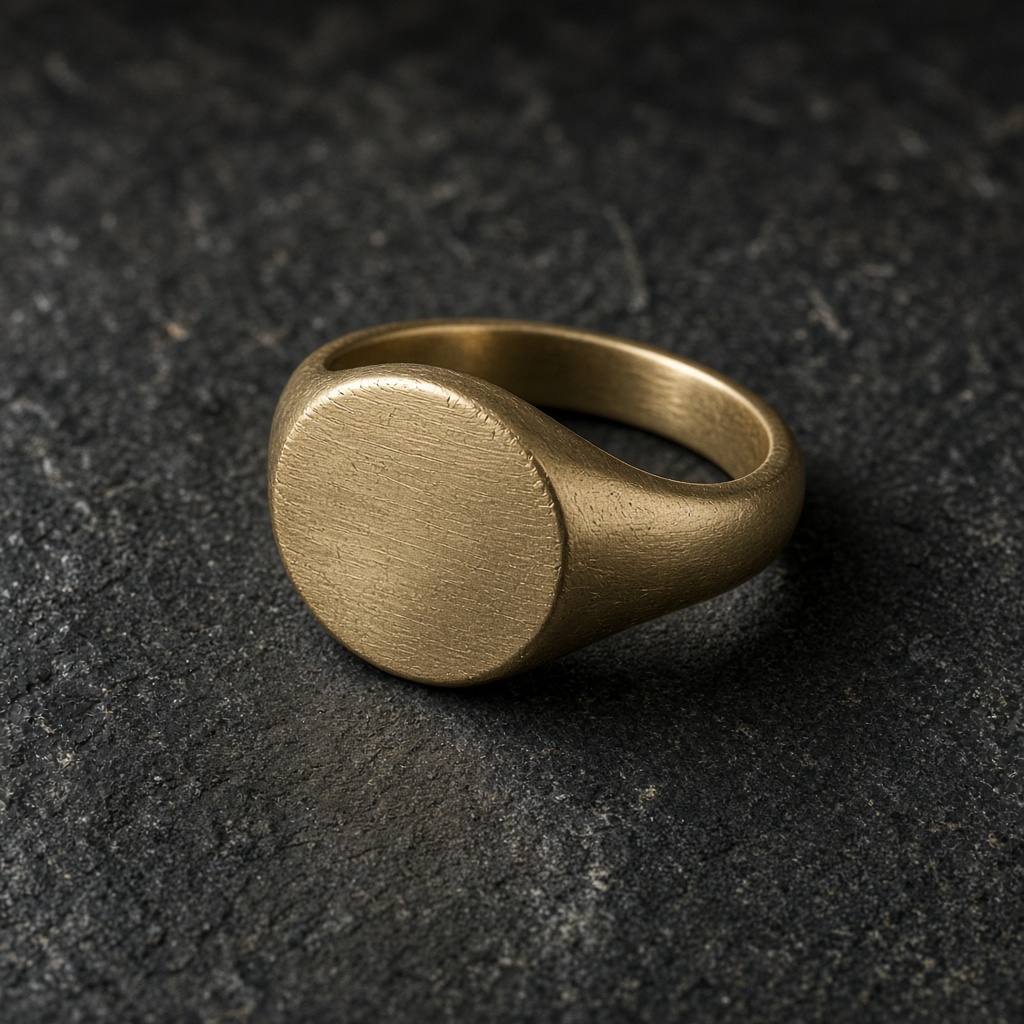
It has to still be your item
Use it on one product, not on the range. The flagship piece, the limited run, the thing at the top of a collection page — that is where the contrast with everything around it does the work.
And if the finish is the argument, the still image is only half of it. A light sweep travelling across the surface is the only way a buyer can tell mirror-polished from brushed, or hand-blown from moulded, and that difference is usually the price difference. A single clip on the product page earns more than another angle.
- The lighting grammar every premium category uses, without a studio
- A finish a buyer can actually see, not just read about
- Space around the object, which reads as confidence
- One flagship image that makes the rest of the range look considered
Three steps, about a minute
01
Upload your photos
Two or three angles on a phone is plenty. We cut the background automatically.
02
Pick your scenes
Tick as many as you like from 56 staged settings, or describe your own.
03
Get your shots
They arrive together in your gallery, ready to download for a listing or a post.
Questions people ask before they sign up
- Does premium mean I can charge more?
- It means the photograph stops arguing against your price. A good image will not make someone pay double, but a phone photo on a kitchen table will absolutely stop them paying what you are asking.
- Can I use it on a marketplace listing?
- As the second or third image, yes. The first image usually has to be white, and a black background will fail that rule outright.
- My product is matte, not shiny. Is it wrong for me?
- The dark ground still works if the object is pale. What will not work is the light sweep, which needs a surface that reflects — on matte, nothing happens.
Also sells like you
Expensive is a lighting decision before it is a price
Start with 3 free images. No card, no account.
Try it free