Bread, pastries and cakes
Crumb and crust are the product, and a ceiling light removes both
Every bakery photograph is really a texture photograph. Get the light wrong and a laminated croissant becomes a beige crescent.
Sized and staged for Instagram · Wolt · efood · Etsy
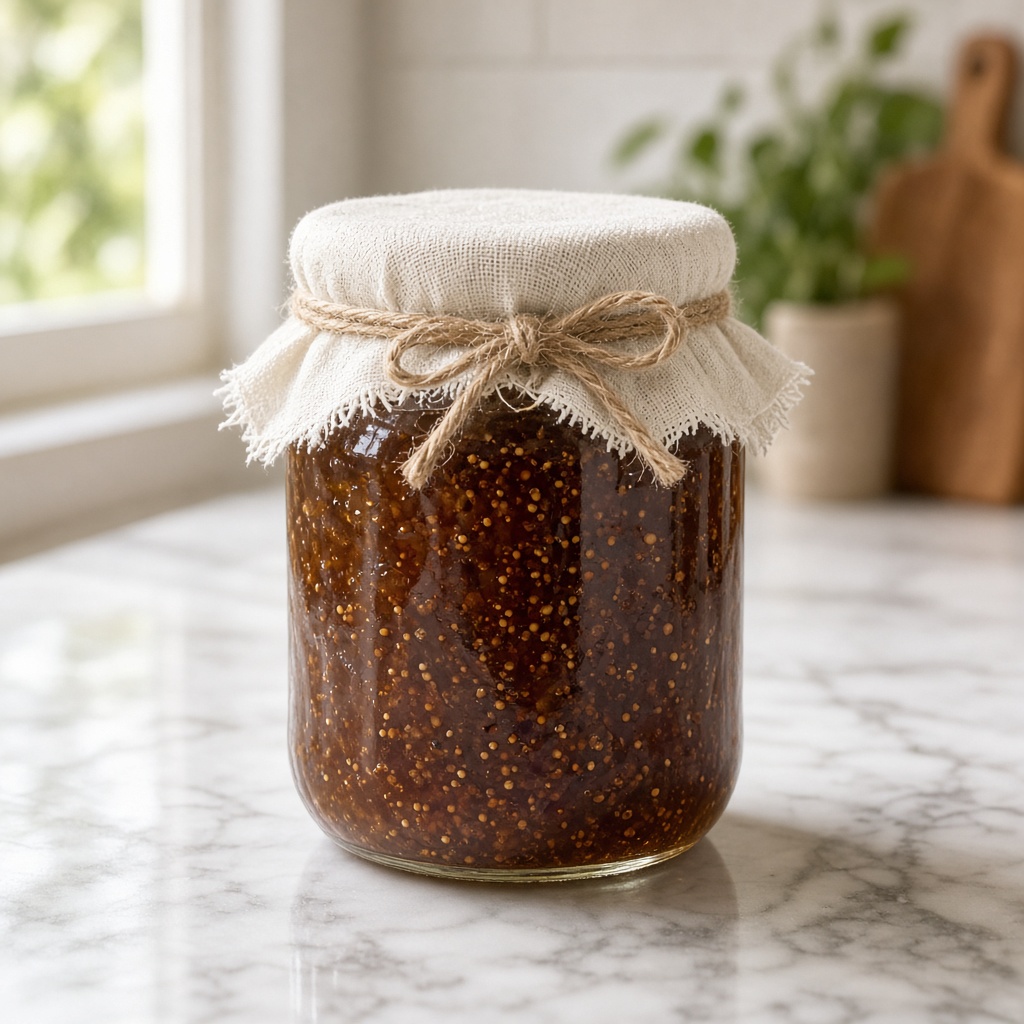
Baking sells on two surfaces: the crust and the crumb. The crust is layers, blistering, a scored ear on a sourdough, the shatter on a croissant. The crumb is the open interior of a cut loaf, which is the thing bakers spend years getting right and the thing customers have learned to look for.
Both are texture, and texture only appears when light travels across a surface rather than falling onto it. A bakery is lit from above for working, and overhead light is the one direction that removes the shadows that make layers visible.
There is also a colour problem specific to baking. Warm bulbs push everything orange, and orange is close enough to burnt that a well-baked loaf starts looking overdone.
Why your photos are costing you sales
The cut is the other thing that goes wrong. A whole loaf photographs as a brown lump; the same loaf cut open is a completely different sell, because the crumb is where the proof of the bake is. Most bakeries photograph the whole one, because cutting a loaf for a photograph feels like waste.
And pastry has a clock on it as tight as anything in a kitchen. A croissant is at its best for about twenty minutes, an éclair collapses, a dusting of icing sugar dissolves on anything warm. By the time the light has been arranged the subject has changed.
The scenes that suit your work
A handful chosen for what you sell, out of the full library.
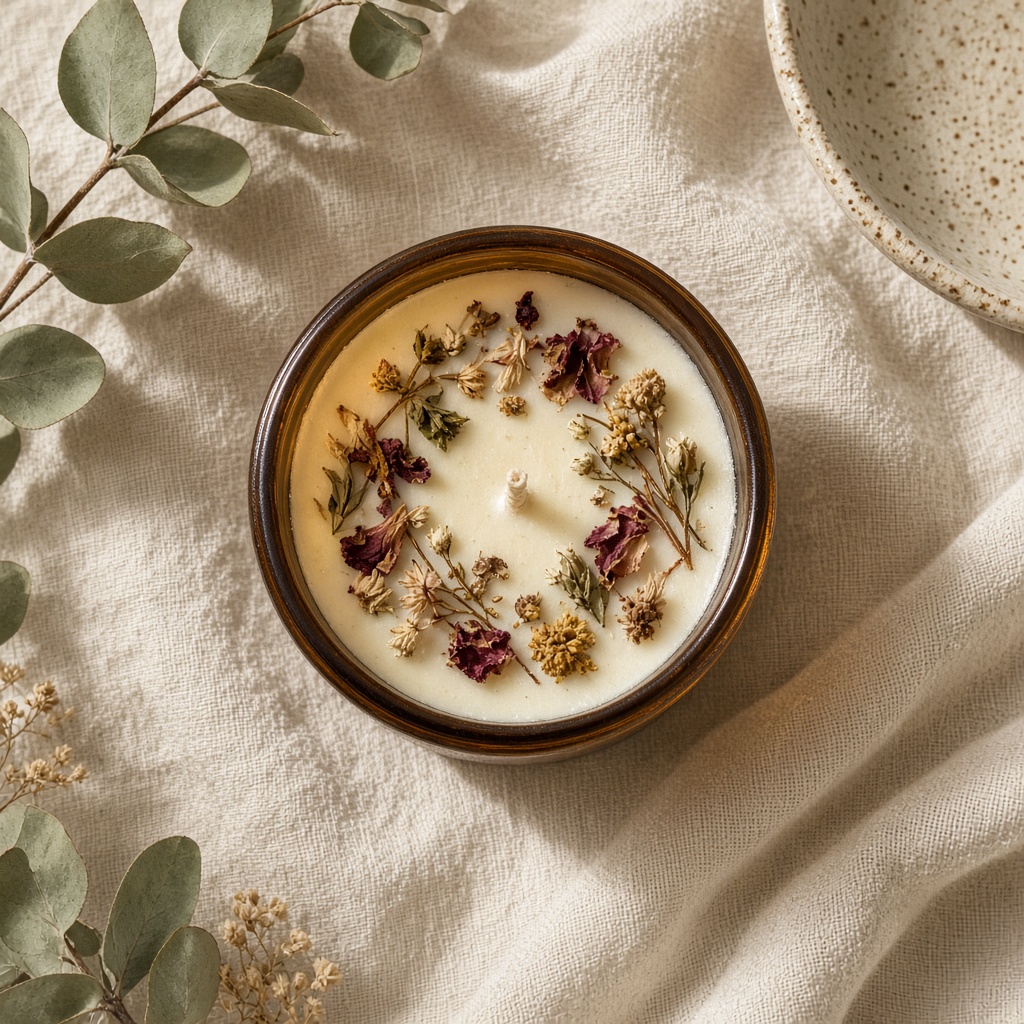
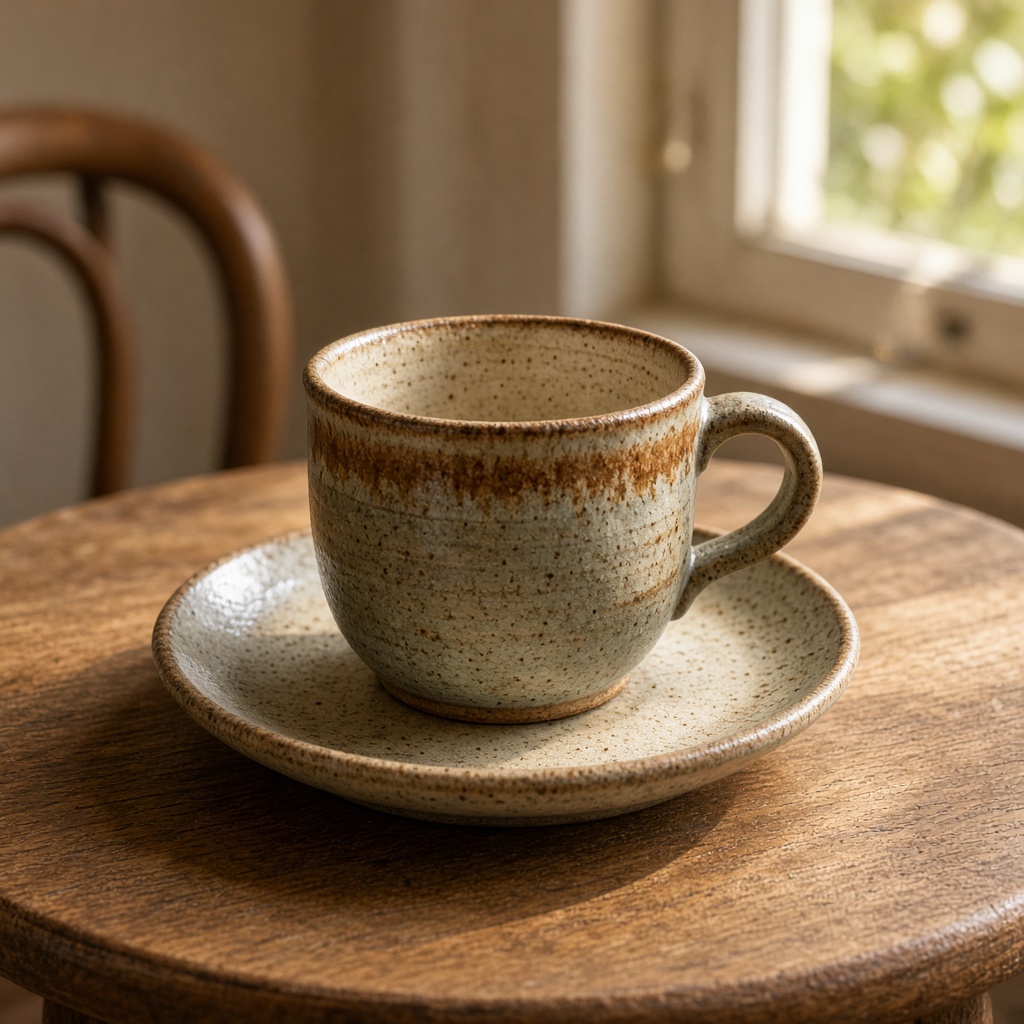
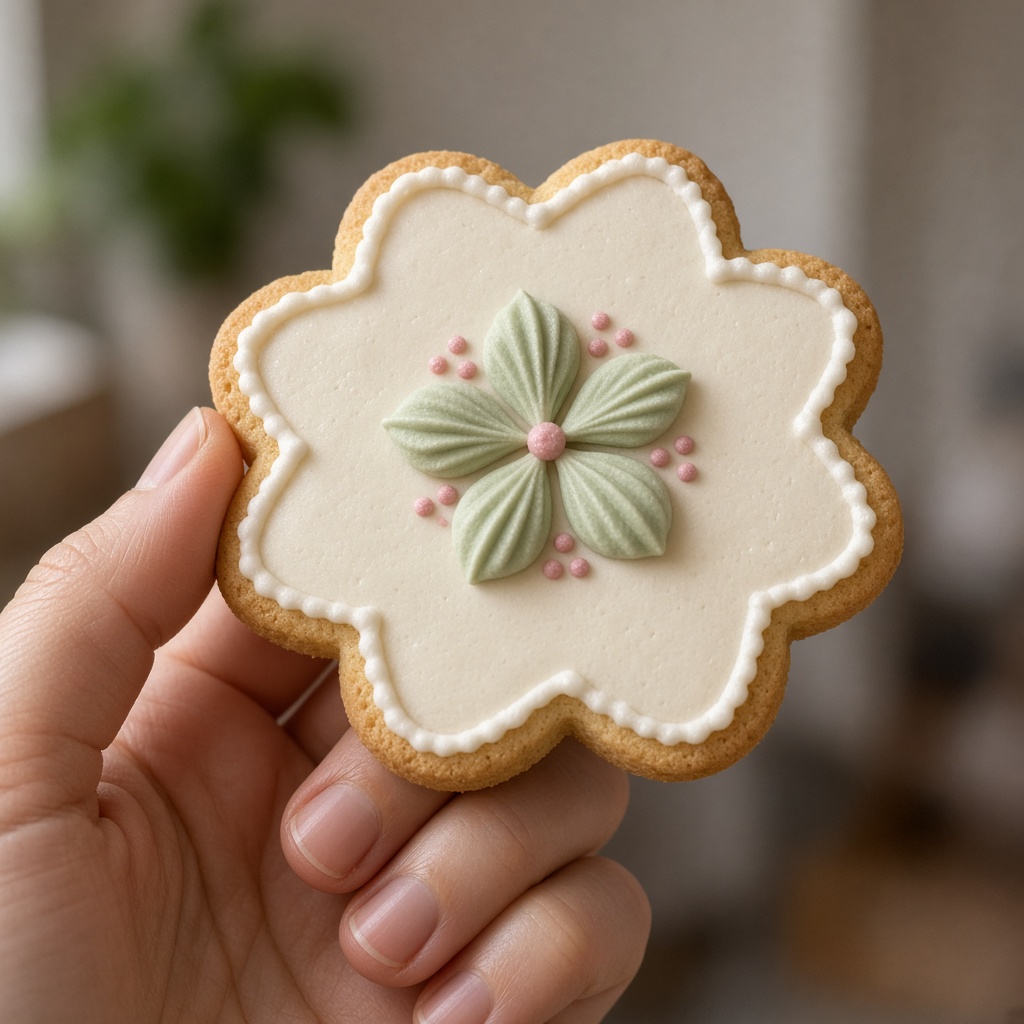
It has to still be your item
Cut one. It is the single highest-return decision in bakery photography, and one loaf is cheaper than the orders a brown lump does not win.
Shoot near a window with the room lights off — mixing daylight with a warm bulb is what produces the orange nobody recognises as their own bread, and switching one off costs nothing. The counter scene gives side light on a surface that flatters crust; the flat-lay is right for a tray of small things; the café table places a pastry where somebody is imagining eating it. And the hand scene settles size, which for anything sold singly is the question that otherwise arrives as a message.
- Crumb and lamination visible, which is where the skill shows
- Bread the colour it actually is, not orange
- A tray of small things that reads at thumbnail size
- Shot after the rush rather than during it
Three steps, about a minute
01
Upload your photos
Two or three angles on a phone is plenty. We cut the background automatically.
02
Pick your scenes
Tick as many as you like from 56 staged settings, or describe your own.
03
Get your shots
They arrive together in your gallery, ready to download for a listing or a post.
Questions people ask before they sign up
- Will it make the crust look more baked than it is?
- It restages your loaf; it does not re-bake it. What it fixes is the colour cast a warm bulb put on it, which is a correction rather than an improvement.
- Do I have to cut every product?
- No, but cut the ones you are proud of. Anything with an open crumb, a filling or a layer is a different product photographed cut.
- What about icing sugar and glazes?
- Dust and glaze right before you shoot. Both are reproduced faithfully, including having dissolved.
Also sells like you
Crumb and crust are the product, and a ceiling light removes both
Start with 3 free images. No card, no account.
Try it free