Photographing silver, gold and polished metal
Polished metal photographs as grey, and grey does not sell at that price
A mirror finish has no colour of its own. It shows whatever is around it, and in most rooms what is around it is beige walls and a grey sky.
Sized and staged for Etsy · Instagram · Shopify · Skroutz
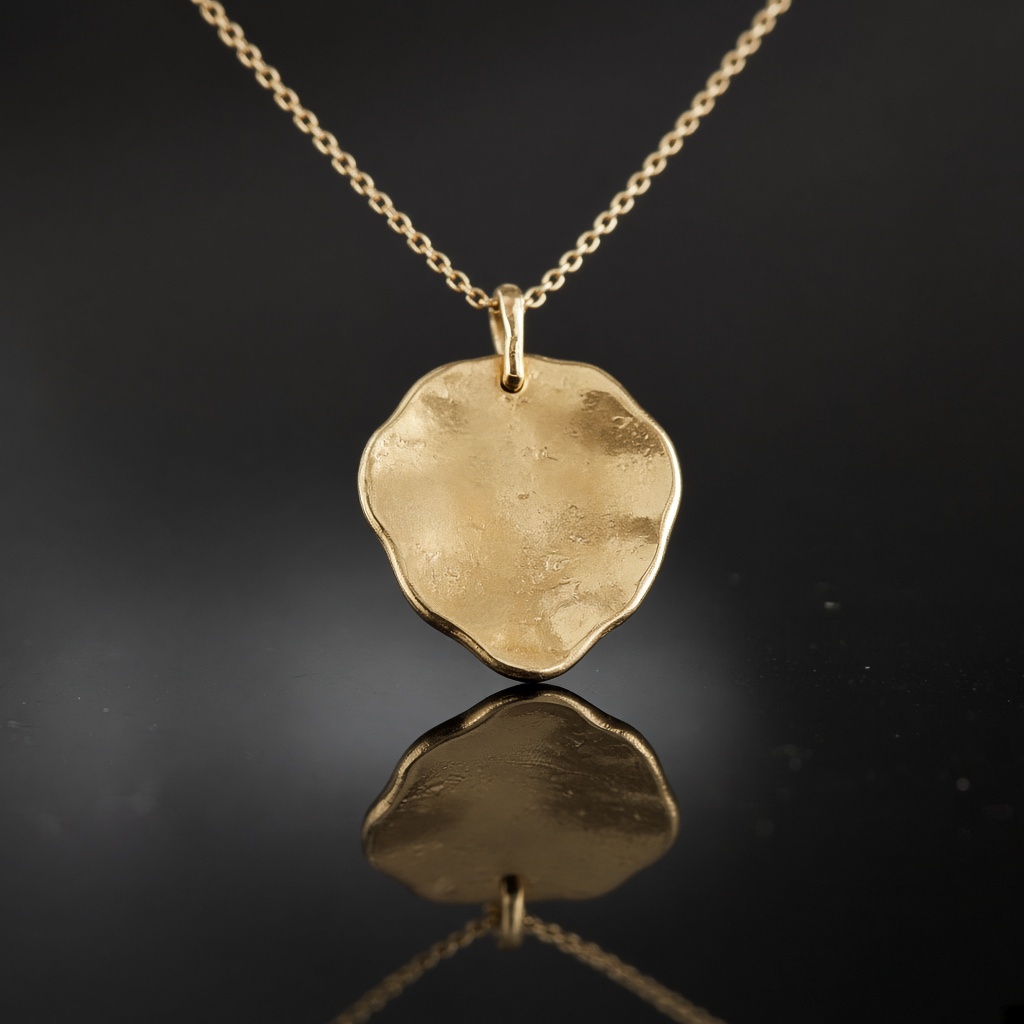
A polished silver ring is a curved mirror. Photograph it in a room and it faithfully records that room, compressed into a band a few millimetres wide — which is why the ring that looks bright in your hand looks like pewter on the listing.
The difference between a jewellery photograph that works and one that does not is almost never sharpness. It is what the metal had to reflect. A studio puts large, soft, bright panels around the piece specifically so that the thing being mirrored is white light rather than a wall, and that is the whole trick.
Everything else — the black ground, the reflection underneath, the light travelling across the face — is there to describe the finish, which is the part a buyer is paying for.
Why your photos are costing you sales
Small metal is also the category where scale confusion costs the most. A pendant photographed alone could be two centimetres or six, and "18mm" in the description does not become a picture in anyone's head. That is the message you get before the sale, and often instead of it.
Then there is the finish. Brushed, hammered, mirror-polished and satin all photograph identically under flat light — as grey — and they are priced very differently. A buyer who cannot see the difference assumes the cheaper one.
The scenes that suit your work
A handful chosen for what you sell, out of the full library.
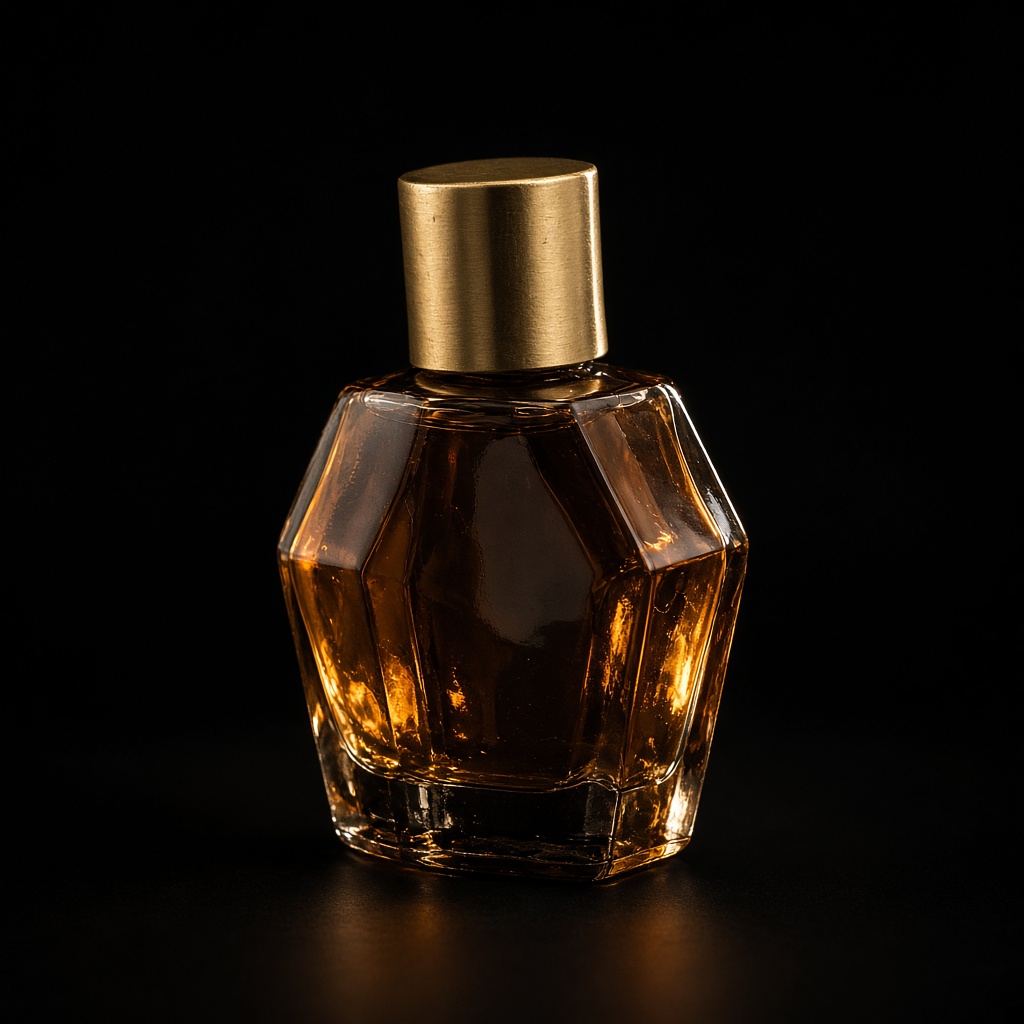

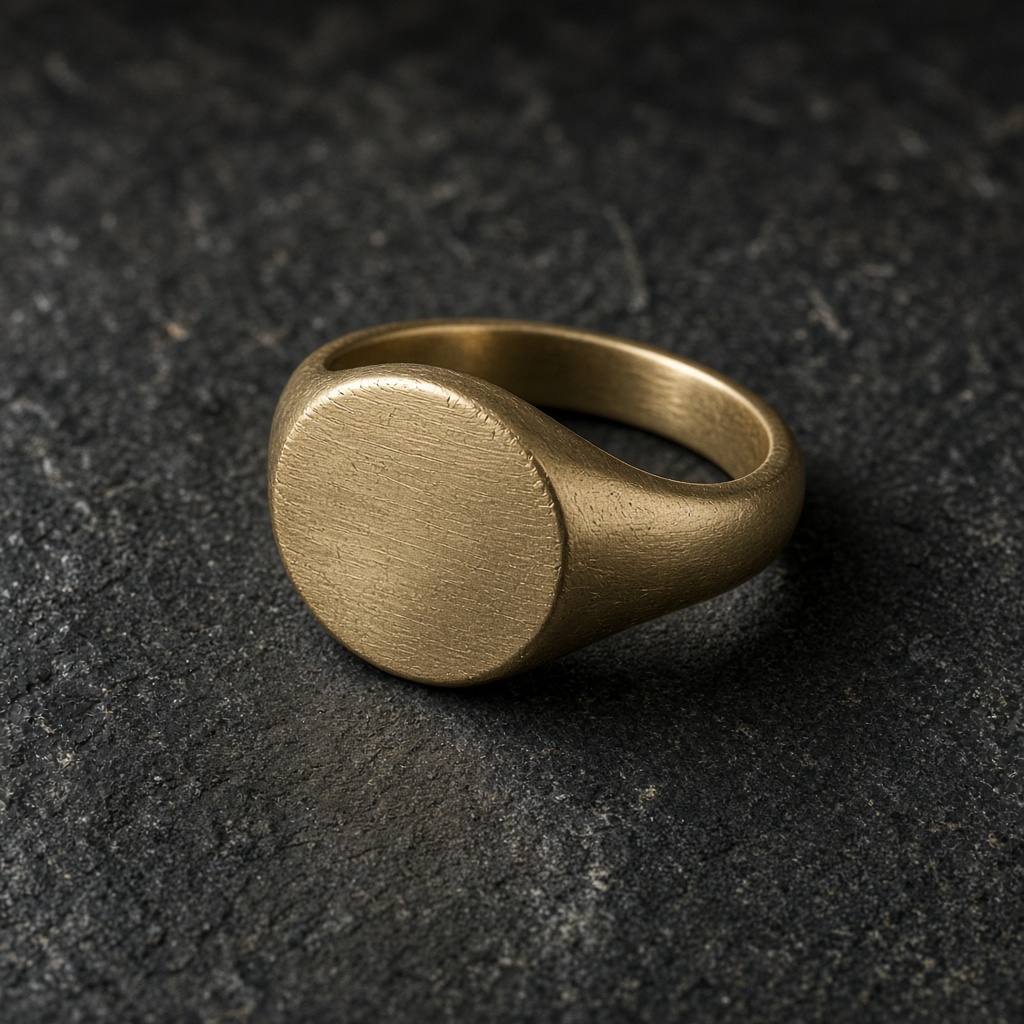
It has to still be your item
You do not need a light tent, and a light tent would not solve the second half anyway.
Two scenes do most of the work here. The reflective surface gives the piece something worth mirroring and a reflection underneath that reads as a shop rather than a table. The light sweep moves a highlight across the face of the metal, which is the only way a still buyer can tell mirror-polished from brushed — and it is the difference in the price. Add the open palm for anything under three centimetres and the size question stops arriving.
- Metal that reads as metal rather than as grey
- Brushed, hammered and mirror finishes that look different from each other
- Scale settled in the picture, not in a message afterwards
- A consistent grid, which is what makes a jewellery shop look like one
Three steps, about a minute
01
Upload your photos
Two or three angles on a phone is plenty. We cut the background automatically.
02
Pick your scenes
Tick as many as you like from 56 staged settings, or describe your own.
03
Get your shots
They arrive together in your gallery, ready to download for a listing or a post.
Questions people ask before they sign up
- Will it invent stones or change my setting?
- No. We restage the piece you photographed. If a stone is chipped in your photo it is chipped in the result, which is the point — a buyer who receives something other than what they saw is a refund.
- What about fingerprints?
- Wipe the piece first. On a scene this sharp they photograph beautifully, which is not what you want.
- Does this work for plated pieces?
- Yes, and it is worth being careful with the reference: plating reads slightly warmer than solid, and we reproduce what you send rather than idealising it.
Also sells like you
Polished metal photographs as grey, and grey does not sell at that price
Start with 3 free images. No card, no account.
Try it free