Photographing brushed, oxidised and polished finishes
Jewellery makers · July 6, 2026 · 4 minute read
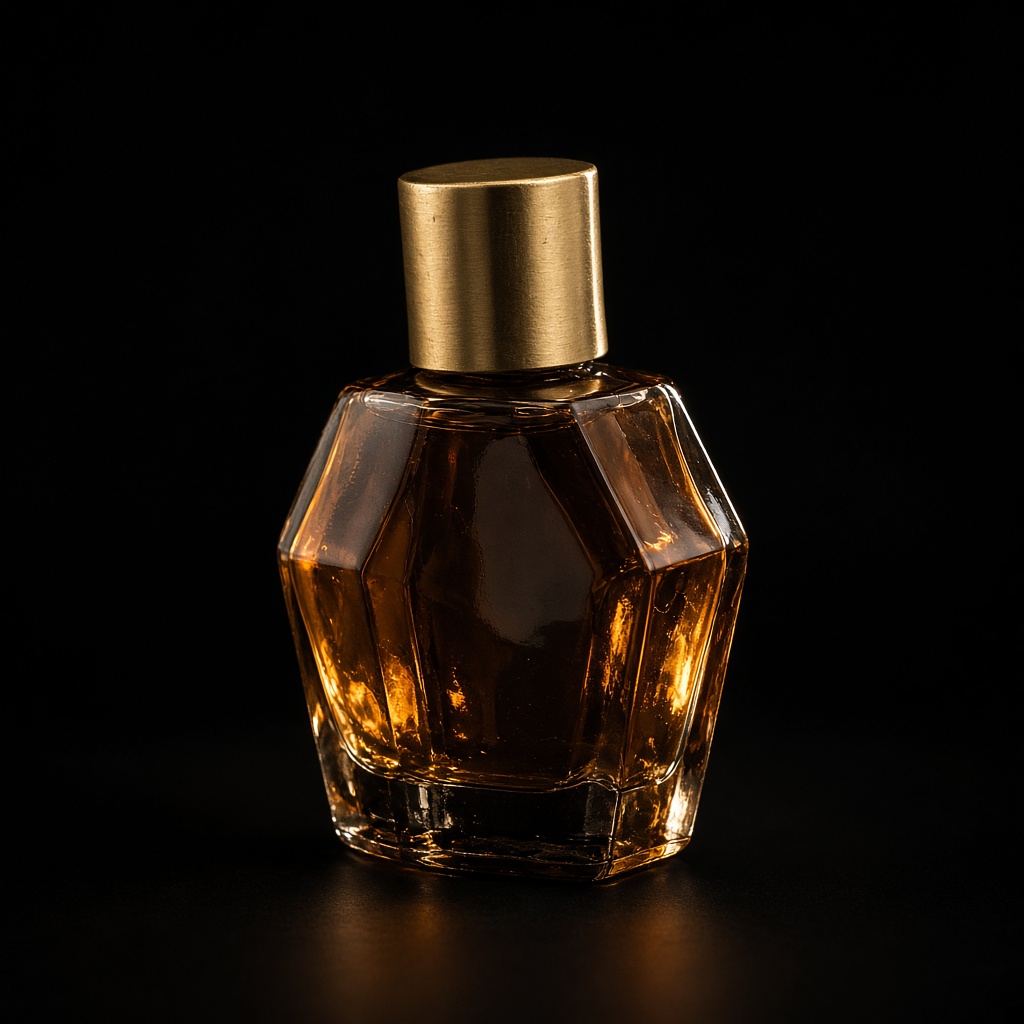
A maker will offer the same band in polished, brushed and oxidised. They take different amounts of work, they sell at different prices, and in a badly lit photograph they are indistinguishable.
That is a direct revenue problem — buyers cannot pay more for a finish they cannot see — and it is caused by one thing: all three finishes want different light, and most people photograph them in the same setup.
What each finish actually is
Polished is a smooth surface that reflects specularly, like a mirror. Its character is that it reflects the surroundings cleanly. It photographs as bright, high-contrast, and it needs something worth reflecting.
Brushed and satin finishes have fine parallel scratches. They reflect light directionally — bright along the direction of the grain, darker across it — which is why a brushed band appears to change brightness as you turn it. Its character is that directional sheen.
Oxidised areas are chemically darkened, usually in recesses to create contrast against raised polished areas. Its character is contrast between dark and light within a single piece.
Three different optical behaviours, three different lighting needs.
Brushed metal needs raking light
The brush marks are fine grooves. Light striking them nearly head-on reflects straight back and the surface reads as flat grey. Light striking them at a shallow angle catches the edges of every groove, and the surface reads as the satin sheen you actually made.
Practically: put your light off to one side, low, so it skims across the surface. Then rotate the piece and watch. There is an orientation where the brush direction and the light direction interact and the sheen appears as a band travelling across the metal. That is the shot.
This is the single most-missed technique in jewellery photography, and it is the difference between a brushed ring that looks like a brushed ring and one that looks like a dull polished ring.
Polished metal needs something to reflect
Covered at length elsewhere, but the short version: polished surfaces show whatever is in front of them, so they need a controlled white surround. Photograph a polished band in a cluttered room and the reflections read as dirt.
The counterintuitive part is that a perfectly uniform white surround makes polished metal look slightly dull, because there is no variation in what it reflects. A subtle gradient — a white card lit more brightly at one end — gives the surface a sweep of bright to dark that reads as gloss.
Oxidised detail disappears under soft light
Oxidised recesses rely on contrast, and soft even light is contrast's enemy. Under a large diffuse source, the dark recesses fill with reflected light and the pattern flattens toward uniform grey.
Oxidised work wants harder, more directional light and often a slightly underexposed frame, so the darks stay dark. If you are photographing a piece with oxidised texture, deliberately expose for the highlights and let the recesses fall.
The instinct to brighten the shadows so "you can see the detail" produces exactly the opposite result. The detail is the shadow.
Photograph finishes in separate batches
The practical consequence of all this: a single setup cannot serve all three well.
Group your photography by finish rather than by product type. Photograph all the polished pieces with the diffuse surround, then move the light low and to one side and photograph all the brushed pieces, then increase contrast and photograph the oxidised ones.
This takes less total time than photographing item by item and adjusting each time, and the results within each group are consistent.
Show the finish in the listing explicitly
If you offer one design in multiple finishes, photograph them together in a single frame at least once. Side by side, the difference is unmistakable; separately, buyers cannot compare and default to the cheapest.
Sellers who do this routinely report the higher-priced finish selling better, for the obvious reason that the buyer can finally see what they would be paying for.
What survives restaging
Surface texture and finish are among the attributes explicitly preserved when a photograph is restaged, which matters here more than in most categories — a model left to itself will turn brushed into polished, because polished is what "metal" looks like in most of its training data.
But the preservation is of what your photograph recorded. If the brushed sheen never appeared in your original because the light was head-on, there is nothing to preserve. Get the light low and to the side first.