Photographing other people’s brands
Subscription box curators · August 20, 2026 · 3 minute read
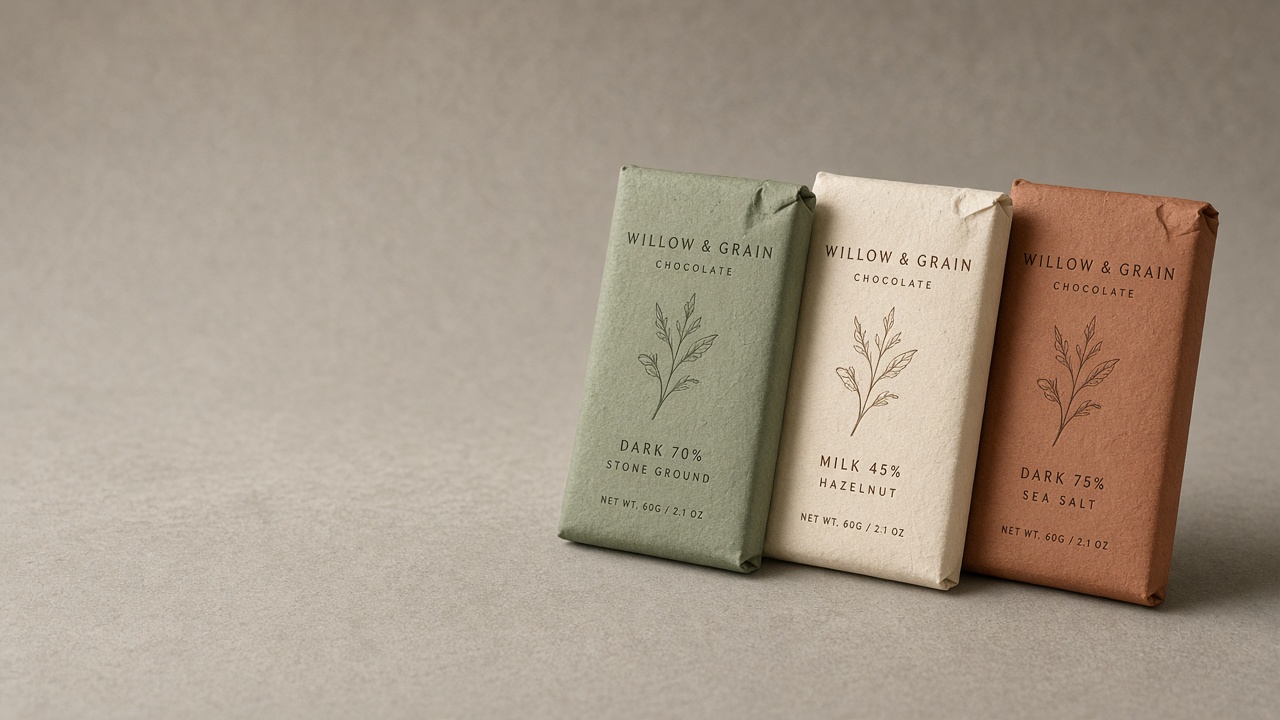
A subscription box is a curation of other people's products. That is the model, and it creates a photography obligation most box businesses never think about: you are representing brands you do not own.
Getting it wrong ranges from awkward to legally uncomfortable, and getting it right is mostly a matter of care rather than effort.
Never alter another brand's packaging in an image
This should be obvious and it is broken constantly, usually with good intentions: straightening a logo, brightening a label that came out dark, removing a barcode that looked untidy, cropping a claim you thought was cluttered.
Every one of those changes misrepresents a product you did not make. For food and cosmetics, the label carries regulated information and altering it in an image is a compliance problem for the supplier and potentially for you.
Photograph what is in the box, as it is.
Photograph labels legibly, because subscribers read them
Subscribers want to know what they are getting: ingredients, sizes, origin, whether something is full-size or a sample.
A reveal flat-lay at typical resolution renders most labels unreadable. Add a second image, or a close photograph of the featured product, where the label can actually be read.
This reduces support enquiries substantially and increases trust in what you are curating.
Be accurate about full-size versus sample
The most common complaint in this category is receiving a sample where a full-size product was expected.
Photographs are where the expectation gets set. A small product photographed close and large in the frame reads as full-size regardless of what the text says.
Include a scale reference, photograph items at their true relative sizes in the flat-lay, and state sizes in the description. Relative scale in the flat-lay is the part people trust.
Ask suppliers what they need, and use what they give you
Most suppliers are pleased to be featured and many have their own photography, brand guidelines and preferred descriptions.
Ask when you agree the partnership. You may get high-quality product images for free, and you will find out if they have restrictions — some brands prohibit their products appearing alongside competitors, or in particular contexts.
This is a five-minute conversation that prevents an awkward one later.
Credit the makers
Naming the brands in your captions and on your website is good for the suppliers, good for your credibility, and good for search.
It also demonstrates the thing you are actually selling, which is curation. A box that names its makers looks chosen; a box that does not looks wholesale.
Keep the archive per month
Boxes are monthly and the contents change entirely. Six months later you may need last March's images for a retrospective, a press enquiry or a "past boxes" page.
Folder per month, with the flat-lay, the individual product shots and the packaging shots. It takes no additional work at capture and saves a great deal later.
What restaging does and does not touch
Restaging changes the surface, the light and the setting around your arrangement. The products, their packaging, their labels and their logos are preserved exactly as photographed — nothing is redrawn, retyped or restyled.
That is the property that matters when the products belong to somebody else. You can put your monthly box onto a consistent branded background without altering a single supplier's packaging, which is both the commercially useful outcome and the only defensible one.