Showing scale on a print listing
3D printing sellers · July 11, 2026 · 3 minute read
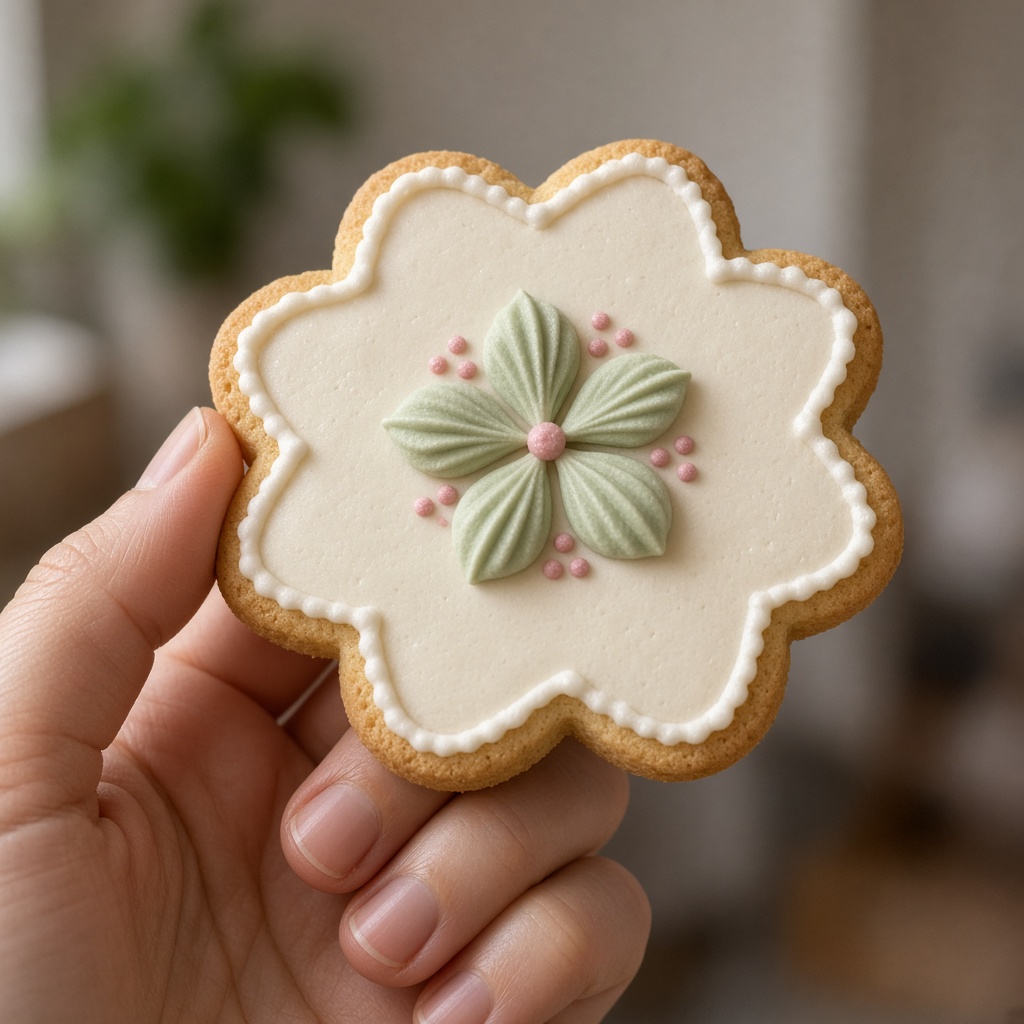
Size confusion is the single largest source of disputes in 3D print sales, ahead of print quality and colour. It is also the most preventable, and the prevention costs one extra photograph.
The problem is structural rather than careless. A printed object photographed alone on a plain surface has no scale cues at all. There is nothing in the frame whose size the viewer already knows, so their brain supplies a guess based on how much of the frame the object fills — and that is entirely determined by how close you stood.
Dimensions in text do not work
Every seller puts the measurements in the description. Buyers still get it wrong, for two reasons.
First, most people cannot picture "85 × 40 × 30 mm" without a ruler in hand, and nobody fetches a ruler while browsing.
Second, when a photograph and a number disagree, the photograph wins. A macro shot of a small print reads as a substantial object regardless of the caption, because the image is processed instantly and the number is processed as an afterthought.
The three scale shots, ranked
A ruler alongside. Least attractive, most precise, and the standard in technical and functional prints. If you sell brackets, mounts, organisers or replacement parts, this should be one of your images — buyers of functional prints are checking fit, and precision matters more than beauty.
A hand holding it. Most intuitive. A hand is a reference everybody carries, and it answers the practical question of whether the object is pocket-sized, palm-sized or two-handed. Best for figurines, fidgets and consumer items.
A familiar object. A coin, a pen, a standard mug. Works well and reads as less staged than a ruler. Name the object in the description so international buyers can calibrate.
Most listings only need one of these, but they need at least one, and it should appear within the first three images rather than last.
Photograph the range together
If you print a model at several scales, one photograph of all sizes together is worth more than three separate listings' worth of description. Buyers compare directly instead of imagining.
The same applies to sellers with many small items — a single group photograph, used across listings, becomes a reference that helps every product in your shop.
Functional prints need fit context, not just size
For a bracket, a mount or a replacement part, the buyer's real question is not "how big" but "will it fit mine".
Photograph it installed, or next to the thing it attaches to, or with the mounting hole spacing visible against a ruler. A print that shows the hole centres measured is a print that does not generate three messages before purchase.
State the tolerance
A short line about print tolerance — "printed at 0.2mm layer height, dimensions accurate to approximately ±0.3mm" — signals competence and pre-empts the buyer who needs precision.
For anything designed to fit an existing object, this is not optional. It is the information that converts a browsing engineer into a buyer.
Where the scale scenes fit
If you are staging photographs, the ruler and hand scenes exist for this specific problem. They give you a consistent scale reference across a whole catalogue, which is difficult to achieve when you are borrowing whoever's hand is available.
The rule holds regardless of method: at least one image in every listing must let a stranger judge the size without reading a word. Everything else in your listing is about whether they want it; this one is about whether they will keep it.