Styling a flat-lay without owning props
Candle and home fragrance · July 15, 2026 · 4 minute read
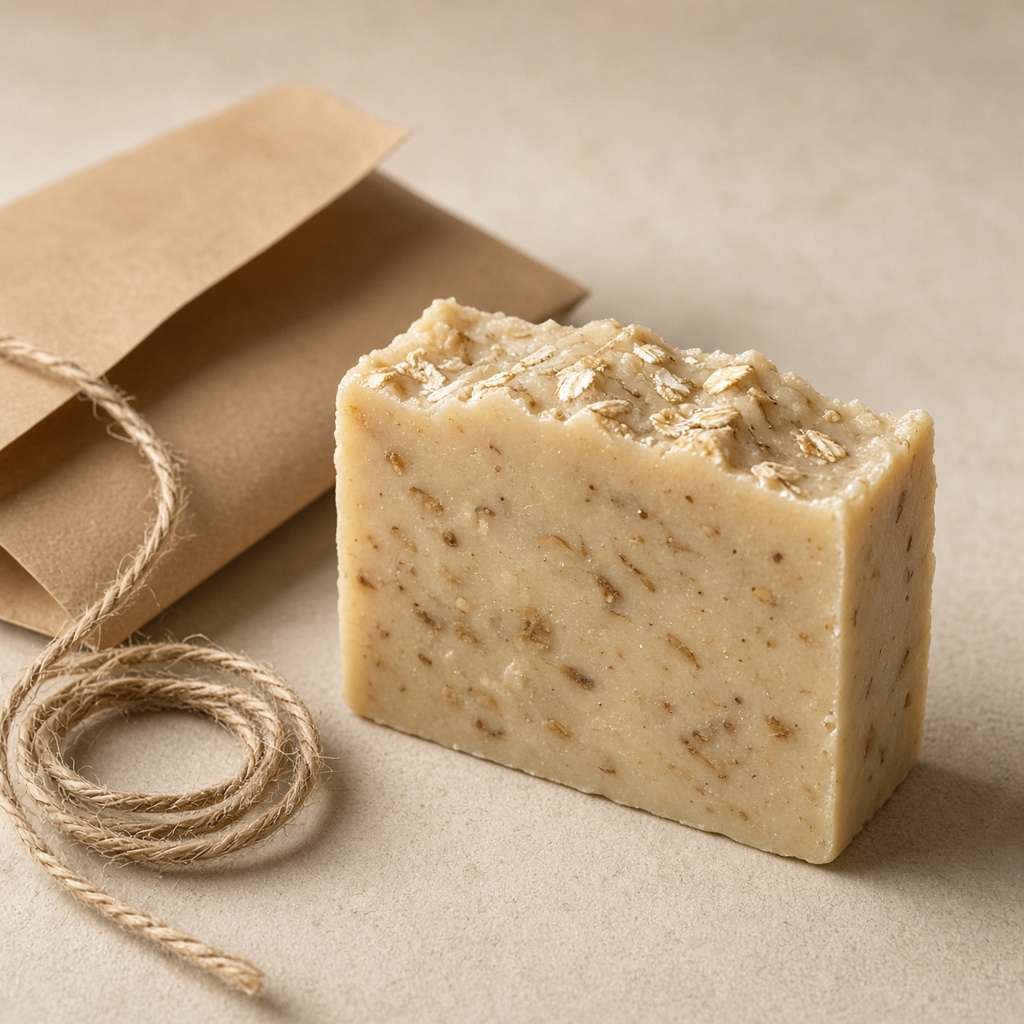
Fragrance is sold entirely through a sense photography cannot carry, which means the styling around the product is not decoration — it is the only vocabulary you have for saying what the candle smells like.
A jar on a kitchen worktop says nothing. The same jar on linen, beside a folded book and a sprig of eucalyptus, says calm, considered, expensive. Neither photograph contains a smell. One of them communicates one.
The composition rules that actually matter
Flat-lay styling has accumulated a lot of mystique. Three principles cover most of it.
Odd numbers. Three objects in a frame read as composed; four read as arranged. This is a real perceptual effect and it costs nothing to apply.
Triangles. Place your objects so their positions form a rough triangle rather than a line. The eye travels between them instead of stopping.
Negative space. The most common mistake is filling the frame. Empty surface around the product reads as premium and gives the eye somewhere to rest. If in doubt, remove one object.
Props do three specific jobs
Rather than collecting props at random, choose them for what they do.
Texture gives the frame tactile interest and something for light to work with. Linen, rough paper, a wooden board, a stone tile.
Scale tells the buyer how big the candle is. A book, a matchbox, a coffee cup — objects with known sizes.
Association does the work of describing the fragrance. Dried flowers for floral, citrus peel for fresh, a knitted throw for warm and wintry. This is the one that carries meaning.
The cheap kit that covers most of it
You need less than you think. A workable kit, all of it reusable indefinitely:
- One large piece of linen or heavy cotton in a neutral colour. Wash it, do not iron it flat — soft creases read as natural.
- A wooden board or slice.
- Two or three books with plain covers.
- A small bundle of dried flowers or foliage.
- A ceramic dish or small tray.
Total cost is modest, storage is a shoebox, and the same kit photographs a whole range consistently.
Shoot from directly above, and get level
Flat-lay means overhead, and overhead means genuinely overhead. A frame shot from a slight angle produces converging edges on rectangular props and looks subtly wrong.
Stand on a chair. Use your camera's grid or level. This is the single most common technical failure in flat-lay photography and the easiest to fix.
One light source, from one side
Flat-lays are usually shot near a window with light coming across the frame rather than from behind the camera. Side light creates shadows that give the objects form and separate them from the surface.
Overhead room lighting flattens everything and puts your own shadow in the frame. Turn it off.
If the shadow side is too dark, prop a white card just outside the frame on the opposite side to the window.
Repeat the same styling across a range
Consistency does more for a shop than variety. If every candle in your range is photographed on the same linen with the same two props in the same positions, the range reads as a range.
It also makes the work faster, because you stop composing from scratch each time. Set it up once, swap the candle, shoot, repeat.
Where staging replaces the kit
If you are staging photographs rather than styling physically, the flat-lay scenes supply the surface, the props and the light — which means you do not buy, store or arrange anything, and the styling is identical across a range photographed over months.
The candle itself is preserved from your photograph: vessel, wax colour, label and anything set into the surface, including the fact that your botanicals are not perfectly centred. Photograph it clean and square, and let the scene do the styling.