Handing over images the client can actually use
Packaging and label designers · August 23, 2026 · 3 minute read
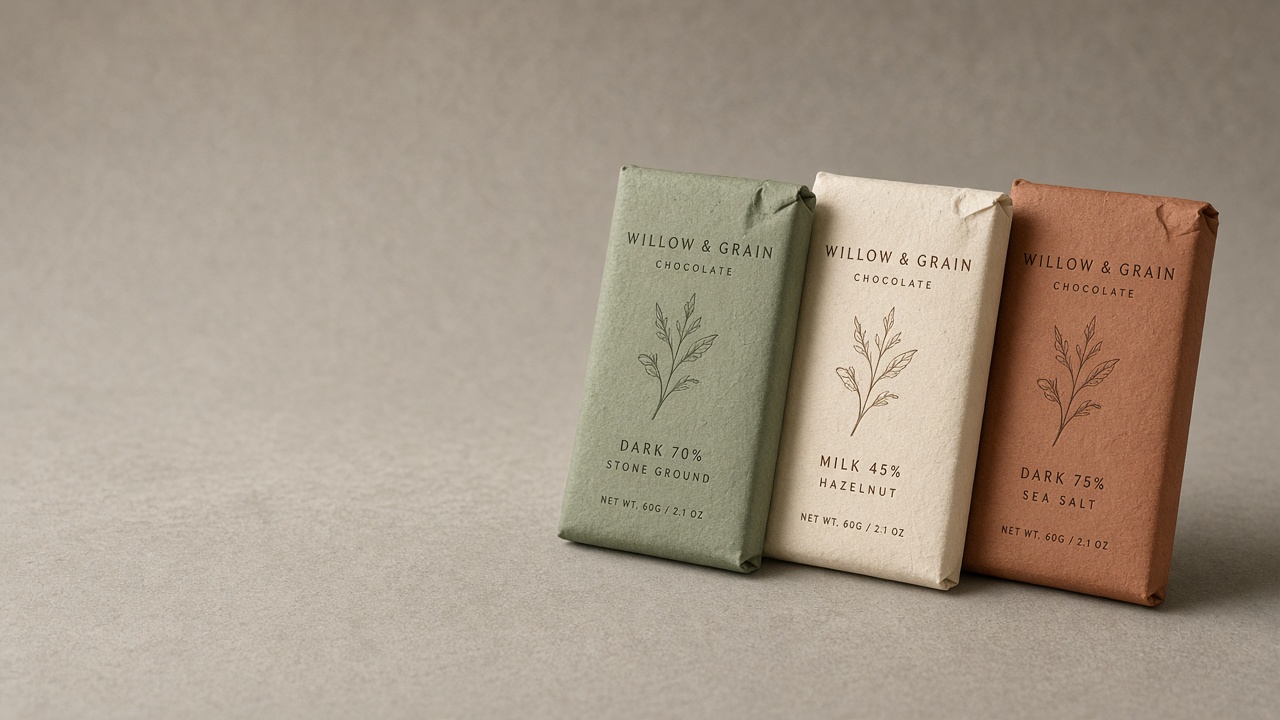
A packaging project usually ends when the print run is delivered. The client then has to sell the product, which means they need photographs, which means they either hire a photographer or take them on a phone in a warehouse.
The second happens more often than the first, and the result is that your design is presented badly for the rest of its life.
The design is judged by how it is photographed
Whatever you produced, the public sees it through the client's product images. If those are poorly lit phone photographs on a pallet, that is what your work looks like to everyone who was not in the room.
This affects your portfolio too, since you cannot credibly show a case study of packaging that the client is selling with bad photographs.
Delivering images is a natural extension of the work
You already have the sample, you already photographed it for your own portfolio, and you understand the design better than any photographer the client would hire.
Adding a small image package to a packaging project is often an easy sell:
- A clean product shot on white, for marketplaces and retailers.
- One or two lifestyle or context images.
- Detail shots showing the finishes.
- A flat or unassembled view where relevant.
- Multiple crops for the platforms the client uses.
Ask where the images will be used before you shoot
Requirements vary enormously and they are not negotiable once set:
- Marketplaces want pure white and a specified margin.
- Retailers often want the back panel legible.
- Social wants square and 4:5.
- Websites want wide and often transparent backgrounds.
- Print wants high resolution and generous crop room.
One conversation before shooting produces files that fit everywhere. One after produces a reshoot.
Deliver in a form the client can handle
Clients lose files. They also send images through messaging apps, which recompresses them, and they crop badly.
Deliver a clearly structured folder: full resolution masters, plus ready-cropped versions for each platform they named, with sensible filenames. Include a short note saying which is for what.
This costs ten minutes and it dramatically increases the chance your images actually get used.
Set expectations about editing
State plainly what may and may not be changed. Nothing about the label, the regulated text or the finish should be altered by the client's marketplace team.
If they need a variant — a different background, a different crop — offer to supply it rather than have them do it badly.
It generates repeat work
Clients who receive usable images come back, because the next product needs the same thing and they now know you can supply it.
It also puts you in the conversation when the range expands, which is where the profitable work usually is.
Where staging makes this practical
Producing a full image package traditionally means a studio day, which prices it out of most packaging projects.
Photographing the production sample well once — three-quarter view, finishes lit, label legible — and staging it into the several settings the client needs turns that into an afternoon. The printed artwork, the substrate and the finish come from your photograph; the white background, the retail shelf and the styled surface come from the scene.
That makes an image package something you can offer on a modest packaging job rather than only on a large one.