Keeping a rotating range visually consistent
Coffee roasters · July 17, 2026 · 4 minute read
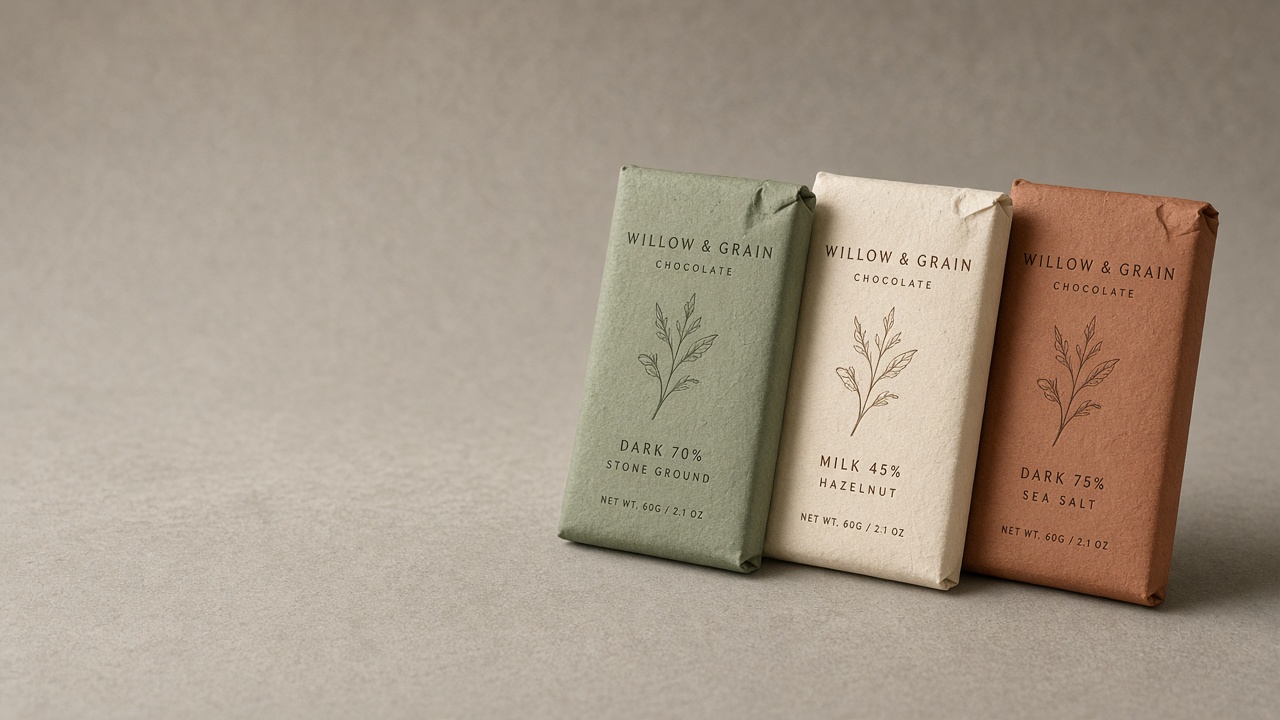
Most product photography advice assumes a stable catalogue: shoot the range once a year, replace when something changes. Roasting does not work that way. A single origin arrives, gets a bag, sells for six weeks and is gone, and the shop is never the same two months running.
That structure defeats the annual shoot. By the time photographs come back, half the range has rotated. So roasters end up with two tiers of image — beautiful photographs of discontinued blends, and phone snaps of everything currently available.
The grid is what customers judge
A customer arriving at your shop page sees twelve bags at once. What they assess in that first second is not any individual photograph — it is whether the twelve look like they belong together.
Coherence signals an operation. Incoherence signals somebody photographing bags on whatever surface was clear that afternoon, which is usually the truth, and which customers correctly read as small-scale.
The frustrating part is that individual photographs can all be perfectly good and the grid can still be a mess.
Fix the four variables
Consistency across a rotating range comes down to writing four decisions down and not revisiting them.
Surface. One background, used for every release. Buy two identical ones so you can replace a marked one rather than substituting something similar.
Light direction. Left or right, and always the same. Mixed directions across a grid look chaotic even when nobody can say why.
Camera angle and height. Straight on at bag-centre height, or three-quarter at a fixed angle. Mark the floor.
Crop. The bag should occupy roughly the same proportion of the frame every time. This is the most visible inconsistency in a grid and the one most people never notice they are creating.
Photograph the new release on arrival, not on release day
The practical failure is time pressure. The bags arrive, the roast is done, the listing needs to go up, and the photograph gets taken at nine in the evening under whatever light exists.
Building fifteen minutes of photography into your production routine — the same day the bags are filled, in the same spot, before anything else — removes the pressure entirely and is the single change that fixes most roasters' shops.
Keep a reference image
Print or save one photograph from your standard setup and keep it where you photograph. When you set up for a new release, match it: same distance, same angle, same crop.
This sounds trivial and it is the mechanism that prevents drift. Over a year, without a reference, your setup will migrate — the light moves a little, you stand slightly closer, the angle shifts. With one, it does not.
Retrofit the bestsellers, not everything
If you are changing standards, do not attempt the whole back catalogue. Rephotograph or restage your five or six consistent sellers, since those get the most views and appear most often in the grid.
The rest will rotate out naturally within months. Spend the effort on the ones that persist.
Range shots need their own discipline
A photograph of the whole current range is one of the highest-value images a roastery can have — it goes on the shop header, the subscription page and the wholesale deck.
The problem is that it dates the moment a bag changes. Two options: reshoot it monthly, which is fast once the setup is fixed, or compose it so individual bags can be swapped without recomposing, which means shooting each bag separately against the same background and assembling.
Where a fixed scene solves this structurally
The reason drift happens is that a physical setup is never truly identical twice. A fixed scene applied at generation time removes that entirely — a bag photographed today and one photographed next March, run through the same scene, land on the same surface under the same light at the same angle.
The bag itself, its artwork and its printed text come from your photograph. The consistency comes from the scene. Which means the discipline shifts from maintaining a setup to simply picking the same scene, and that is much easier to sustain across a year of rotating coffees.