Meeting retailer image specifications
Artisan food producers · August 16, 2026 · 4 minute read
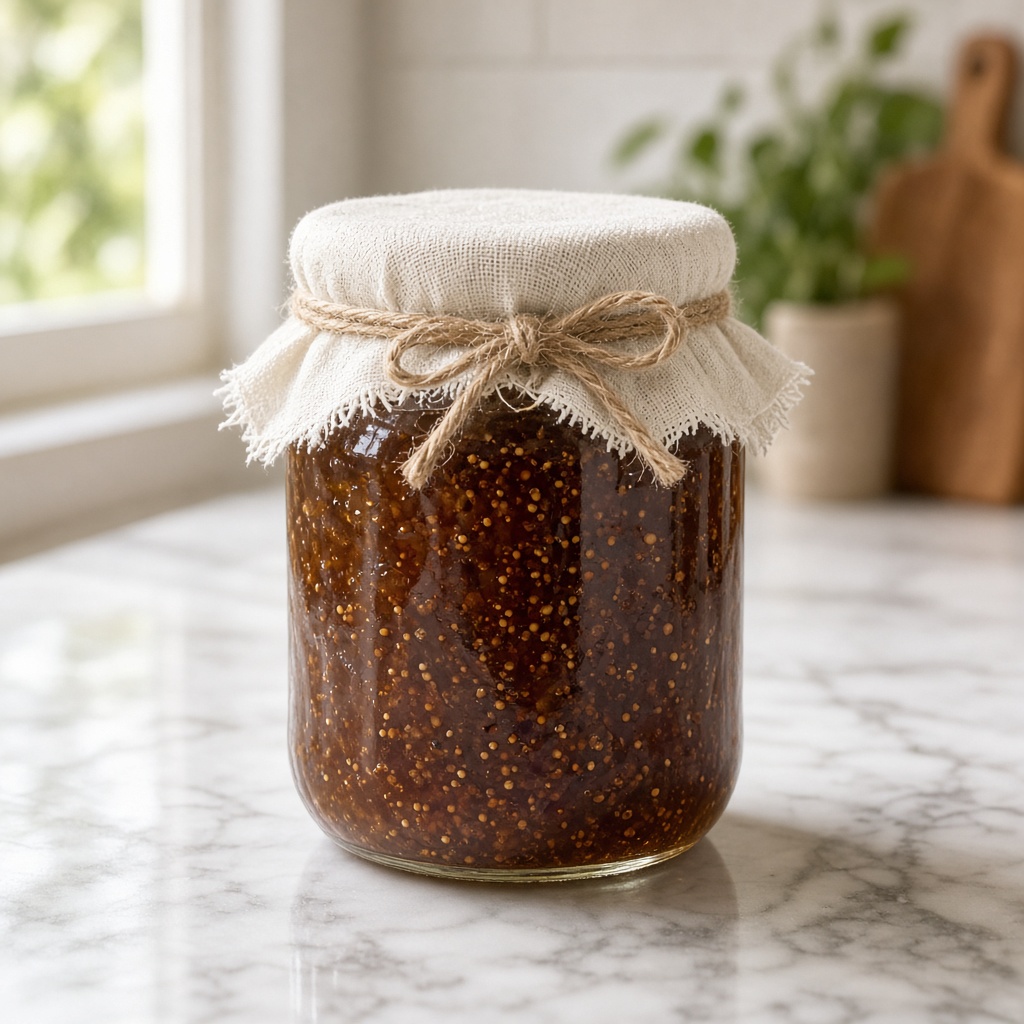
Getting a listing with a retailer or a marketplace is the hard part. Supplying the images they need should not be, and yet it is where a surprising number of small producers stall for weeks.
The requirements are specific, they are written down, and they are usually met with a single well-planned photograph per product.
Ask for the spec before you photograph
Every buyer has one, and it is usually a PDF nobody sends until you ask.
It will specify some combination of:
- Minimum pixel dimensions, commonly 1,500 to 3,000 on the long edge.
- Aspect ratio, usually square.
- Background, usually pure white at RGB 255,255,255.
- Product occupying a set proportion of the frame, often 80 to 90 per cent.
- File format and colour profile.
- Whether shadows are permitted.
- Whether secondary images may be lifestyle or must also be on white.
Getting this before you photograph turns a reshoot into a crop.
Pure white means measured white, not bright white
The requirement most often failed is the background. A white sheet photographed in ordinary light is grey, cream or blue, and it will be rejected.
Two ways to satisfy it:
Light the background separately. Put the product far enough in front of a white surface that you can light the surface independently and push it to true white.
Generate on white. A staging tool with a pure-white scene produces a measured white background rather than an approximated one, which is what the requirement asks for.
Check the actual value rather than trusting your eye. Screens lie about white.
Leave margin, and leave it deliberately
Specifications almost always demand margin around the product, and a photograph framed tight cannot be made to comply after the fact.
Photograph with more space than you need. Cropping in is trivial; adding background is not.
Shoot the range in one session with one setup
A retailer taking six of your products wants six images that match. If they were photographed on different days in different light, they will not.
Do the whole range in one sitting at one setup, with the same distance and framing, and crop identically. This is faster than doing them individually and it looks like a range rather than six unrelated items.
Supply the secondary images too
Most listings allow three to six images, and most small producers supply one.
The additional slots are usually where sales are made: a label photograph at readable resolution, a shot of the contents outside the container, a scale reference, a lifestyle image showing use.
If the retailer permits lifestyle images in the secondary slots, use them. If they require white throughout, do that instead — but fill the slots either way.
Keep an organised archive
Retail relationships generate repeated requests: a new marketplace, a promotional feature, a printed catalogue, a website redesign.
Keep a folder per product with the original full-resolution files, the compliant white versions and the lifestyle variants, named clearly. A producer who can answer an image request the same day gets featured more often than one who cannot.
Where staging shortens the process
The requirement — one product, pure white, generous margin, consistent across a range — is exactly what a fixed scene produces reliably.
Photograph each jar, bottle or box once, honestly, with the label readable, then generate the compliant version from that capture. The product, the label and the fill level come from your photograph; the measured white background and the consistent framing come from the scene.
That turns a spec sheet from a week of work into an afternoon, without anyone needing a studio or a light tent big enough for a case of oil.