Artisan food producers
Great olive oil, one photograph, taken in 2019.
Honey, oil, preserves, cheese and spice producers make excellent product and photograph it once, badly, on a kitchen table. It is the single biggest gap between quality and presentation in food.
Sized and staged for Shopify · Etsy · Skroutz
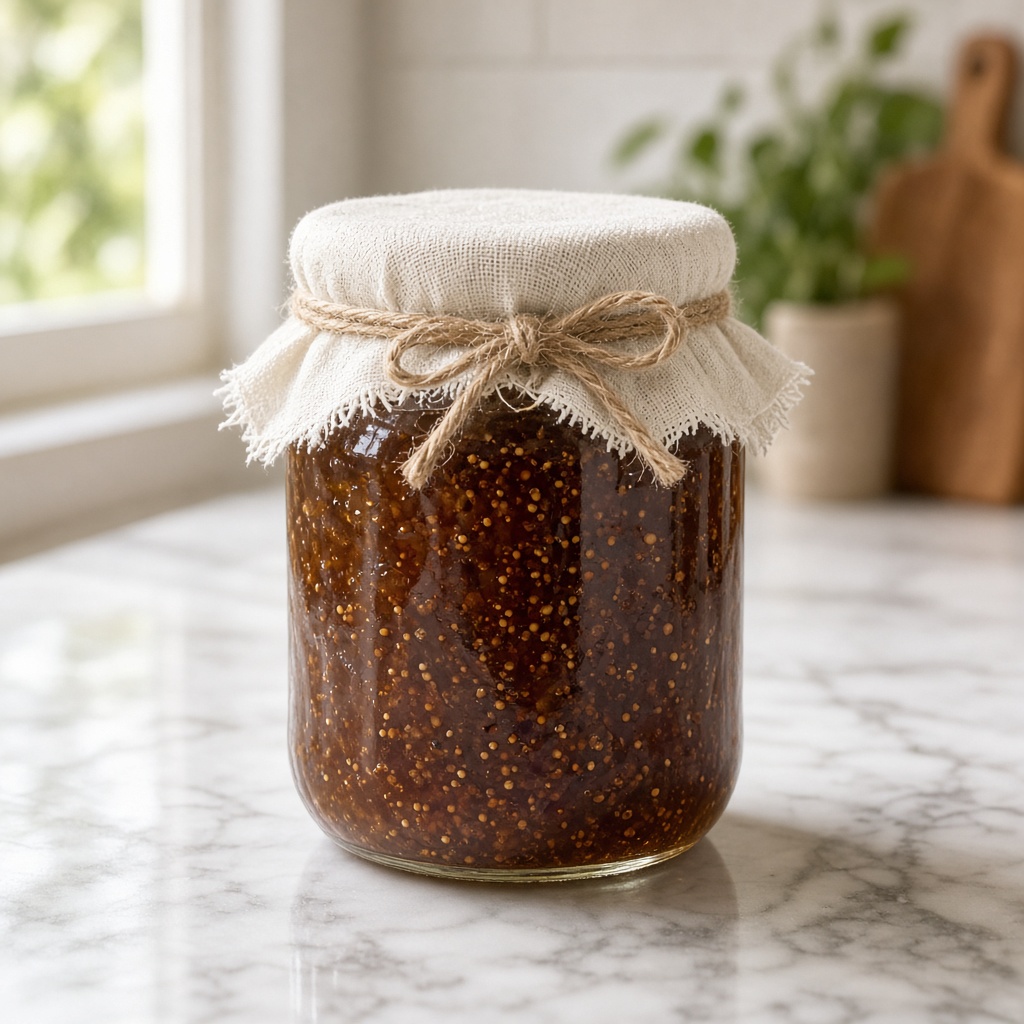
Small food production is full of people who are exceptional at one thing and have never been asked to be good at another. A family pressing oil for four generations has genuine expertise. None of it is photographic.
So the product goes online with a photograph taken on the kitchen table, next to the fruit bowl, with the window blowing out one side of the bottle. It is not a bad photograph by the standards of a family photograph. It is a catastrophic photograph by the standards of a shelf you are competing on, where the label beside yours was shot by somebody paid to do it.
This gap is unusually wide in food, and unusually cheap to close.
Why your photos are costing you sales
Glass jars and bottles are the standard packaging and the hardest to photograph: they reflect the room, they refract whatever is behind them, and dark contents like oil or forest honey read as black without light coming through from behind.
Then there is the export problem. A producer selling into a deli, a hotel or a foreign marketplace gets asked for product images to a spec, and a warm snapshot with a fruit bowl in the background is not it.
The scenes that suit your work
A handful chosen for what you sell, out of the full library.
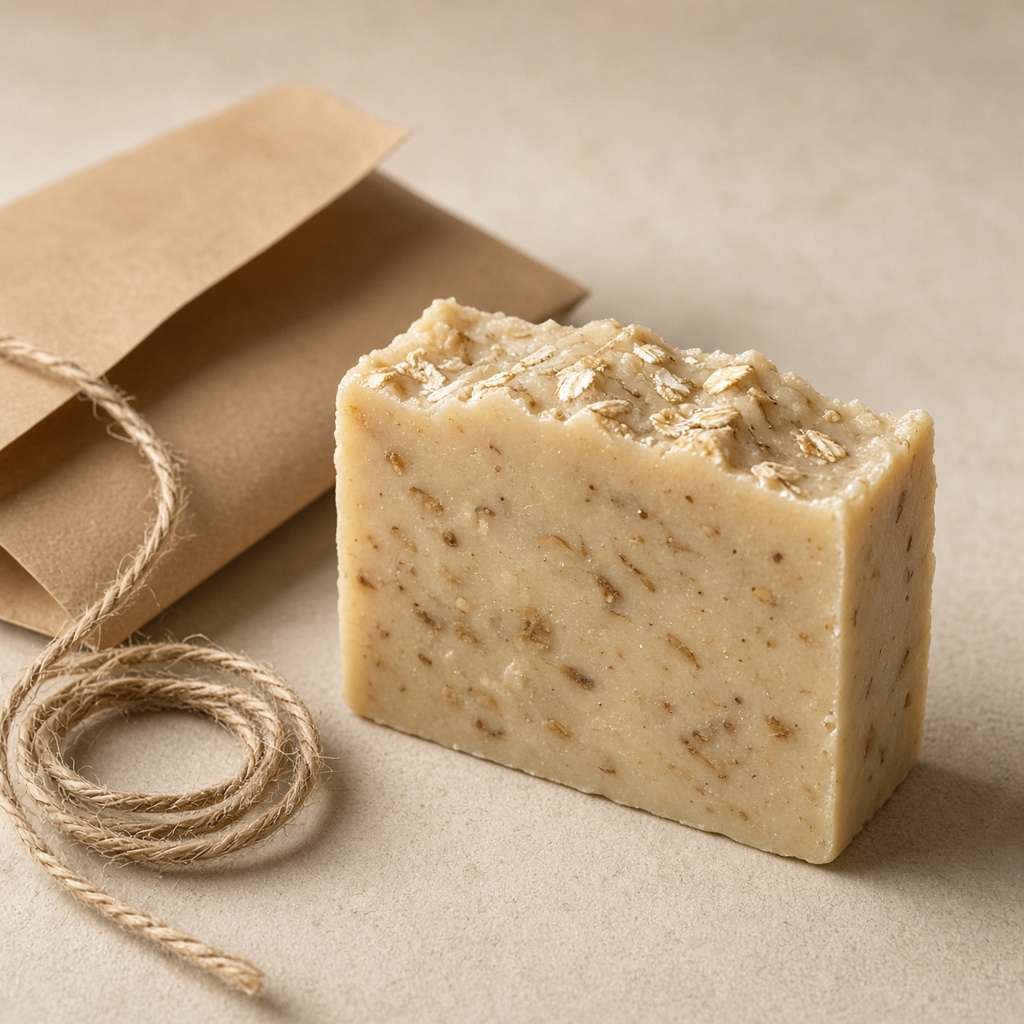
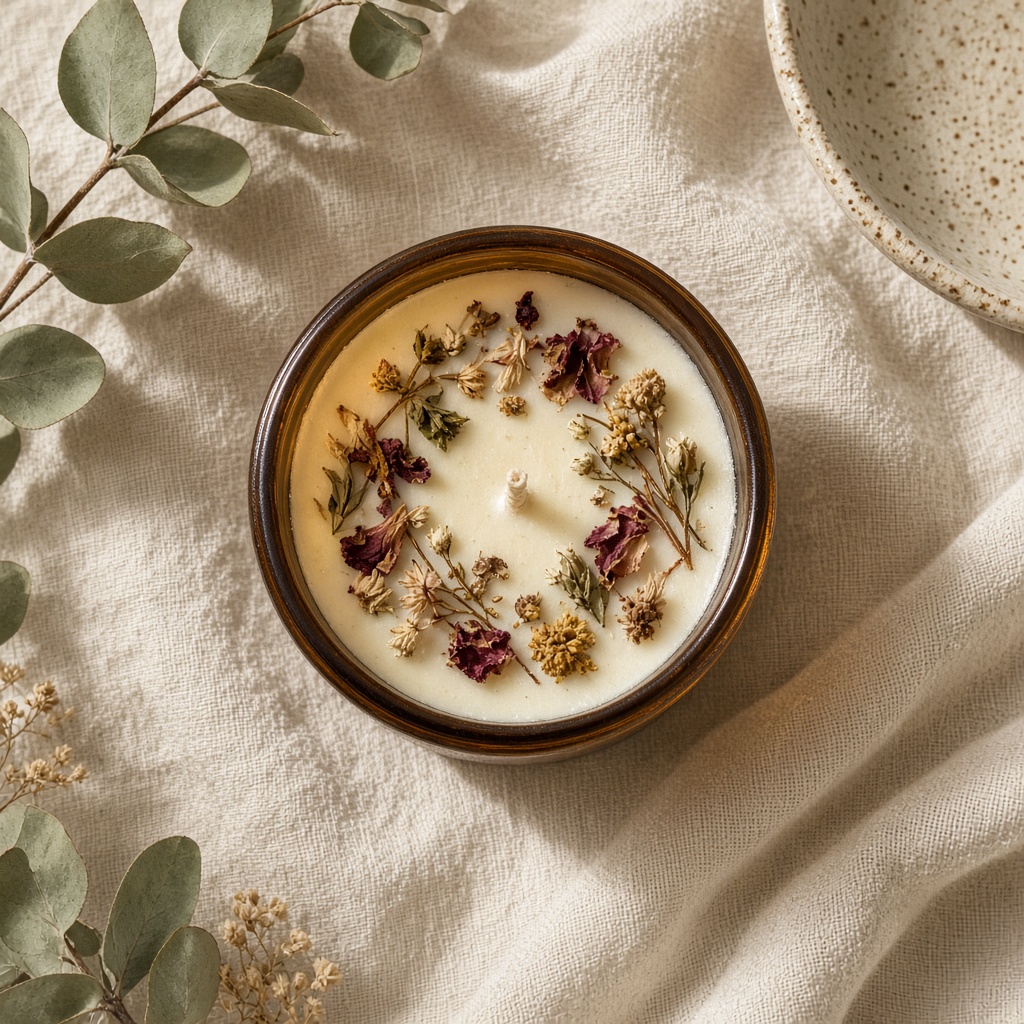
It has to still be your item
The label is the part that must not move, and for food it is regulated: net weight, origin, PDO or PGI marks, allergen text. Altered label text is excluded explicitly on every generation, so what is printed stays printed.
Contents stay too. Honey that has crystallised stays crystallised, oil keeps its actual colour, and a preserve with visible fruit keeps the fruit it has. The kitchen table is what gets replaced.
- Clean product images to send a deli, a hotel buyer or a marketplace
- Regulated label text, weights and origin marks preserved exactly
- Lifestyle and packaging shots for a shop, from the same photograph
- A range photographed over a season that still looks like one range
Three steps, about a minute
01
Upload your photos
Two or three angles on a phone is plenty. We cut the background automatically.
02
Pick your scenes
Tick as many as you like from 56 staged settings, or describe your own.
03
Get your shots
They arrive together in your gallery, ready to download for a listing or a post.
Questions people ask before they sign up
- Will my PDO mark and net weight stay correct?
- Yes. Altered label text is excluded on every generation. For food this is a labelling compliance matter, not a design preference.
- How do I photograph a dark bottle of oil?
- Near a window with the light coming from behind or the side, so it passes through the glass. Get that and the scene handles the rest.
- My honey has crystallised. Will it be smoothed out?
- No. Contents are preserved as photographed, which is correct — crystallisation is natural and a buyer expecting clear honey should see what is coming.
- Can I get images that meet a retailer's spec?
- The pure white scene is the usual answer for trade requests, and the upscale gives you a file large enough for print catalogues.
Written for your trade
Practical pieces about photographing what you sell, rather than general advice about cameras.
Meeting retailer image specifications
The buyer says yes, then sends a PDF asking for 2,000 pixels square on pure white with a ten per cent margin. That is a different photograph from the one on your website.
4 minute read
What you must never change on a food label
Allergens, weight, batch codes and origin are not design elements. They are legal text, and an image that alters them is a compliance problem.
3 minute read
Photographing jars and dark bottles
Olive oil in dark glass, honey in a jar, vinegar in a bottle: three products that all photograph as a black shape unless you light them from behind.
4 minute read
Also sells like you
Great olive oil, one photograph, taken in 2019.
Start with 3 free images. No card, no account.
Try it free