Shooting beans and brew alongside the bag
Coffee roasters · July 18, 2026 · 4 minute read
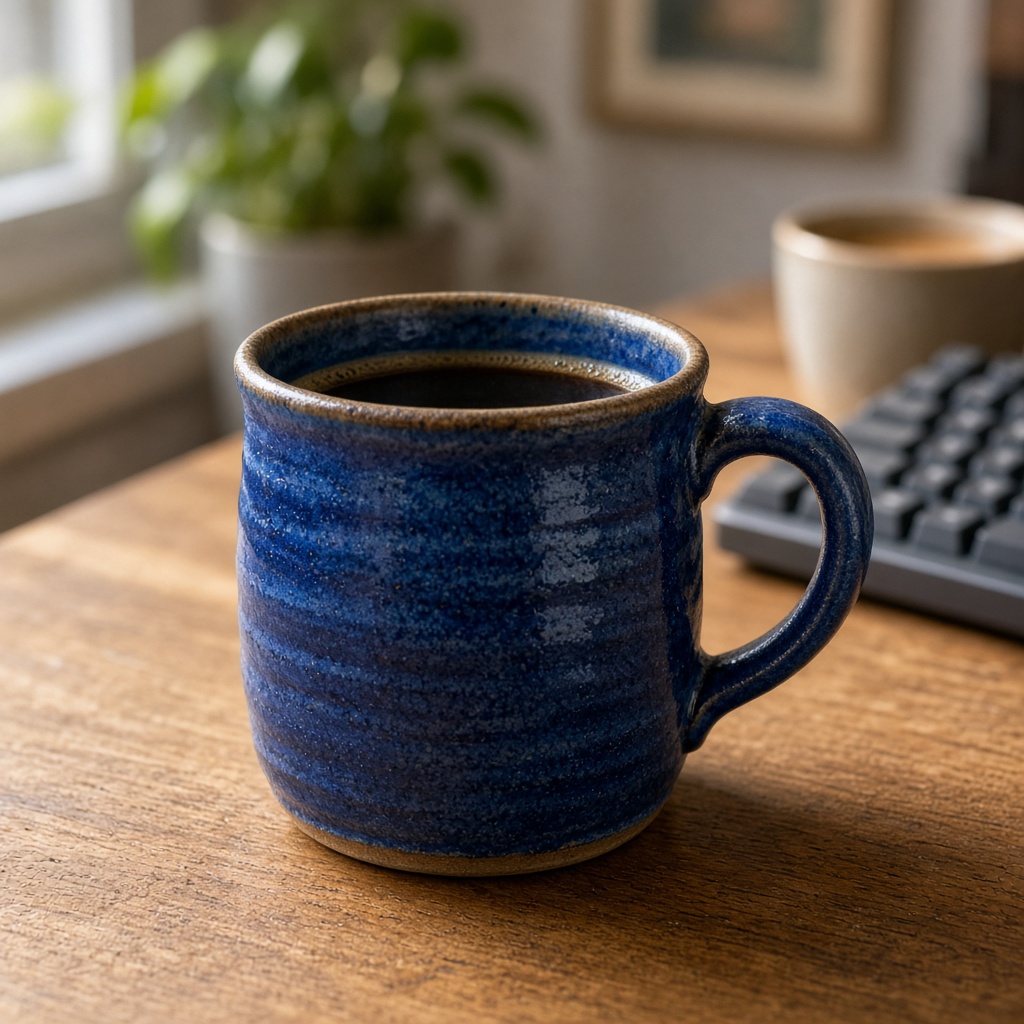
Roasters photograph the bag because the bag is the branded object. Buyers, however, are purchasing what is inside it, and the photographs that answer "what will this be like" perform differently from the ones that answer "what does this look like on a shelf".
A listing that does both converts better than one that does either.
Beans photograph best in a pile, not a layer
Scattered beans across a flat surface read as mess. A heap, or beans contained in a dish or scoop, reads as abundance.
The reason is depth. A pile has shadows between the beans that give it volume and show individual bean shape; a single scattered layer flattens and the eye reads it as texture rather than as coffee.
Light from one side at a low angle emphasises this. Overhead light fills the gaps between beans and flattens the pile.
Show the roast level honestly
Roast level is visible and buyers judge it. A light Nordic roast and a dark Italian one look genuinely different, and photographing under warm light pushes everything darker while cool light pushes everything lighter.
If you sell across a range of roast levels, photograph them all in the same light or your listings will imply differences that do not exist and hide ones that do.
A photograph of two roasts side by side is one of the most useful images a roastery can publish, because it gives buyers a calibration reference they can apply to every other listing.
Grounds are worth photographing for filter and espresso
If you sell pre-ground, photograph the grind. Buyers who care about brewing want to see grind size, and it distinguishes a roaster who understands their customer from one who does not.
Grounds photograph poorly under flat light — the texture disappears entirely. Raking light, close, is what makes a grind read as coarse or fine.
Brewed coffee is atmosphere, not information
A cup of brewed coffee in a photograph tells the buyer nothing verifiable — every coffee looks approximately the same brewed, and crema on an espresso says more about the machine than the beans.
That does not make it useless. A brew shot sells the outcome and works well as a lifestyle image, particularly for subscription pages. Just do not let it substitute for the bag or the beans in a product listing.
If you shoot brew, shoot it fresh. Crema collapses in under a minute, and a photograph of a flat espresso is worse than none.
Combining them in one frame
The convention is bag plus beans plus cup, and it is a convention because it works: the object, the contents and the outcome in one image.
Two cautions. First, it clutters at thumbnail size, so keep the bag dominant and the rest supporting. Second, an arrangement crowded with props ages quickly — a shot that looks contemporary now will look dated in three years, and your bestselling blend may outlive it.
Many roasters keep the main listing image clean and use the combined shot for social and for the shop header.
Match the beans to the bag
A small honesty point that coffee buyers notice. If the photograph shows a dark oily bean beside a bag labelled as a light filter roast, the mismatch reads as either carelessness or a stock image.
Photograph the actual beans from that actual roast. It costs nothing and it is exactly the kind of detail that builds trust with the customers who spend most.
What staging does with a combined shot
Anything you photograph together is treated as one arrangement and preserved together — bag, beans, cup and their positions. Staging changes the surface underneath and the light, not the composition you built.
Which means the arranging is still your job. Set the objects the way you want them, photograph square-on with everything in focus, and let the scene supply the table and the window.