Plant shops and nurseries
Every plant is a different plant. The photo has to be that one.
Buyers of rare and specimen plants are choosing a particular individual — its variegation, its leaf count, its shape. Stock photography cannot do that.
Sized and staged for Instagram · Shopify · Etsy
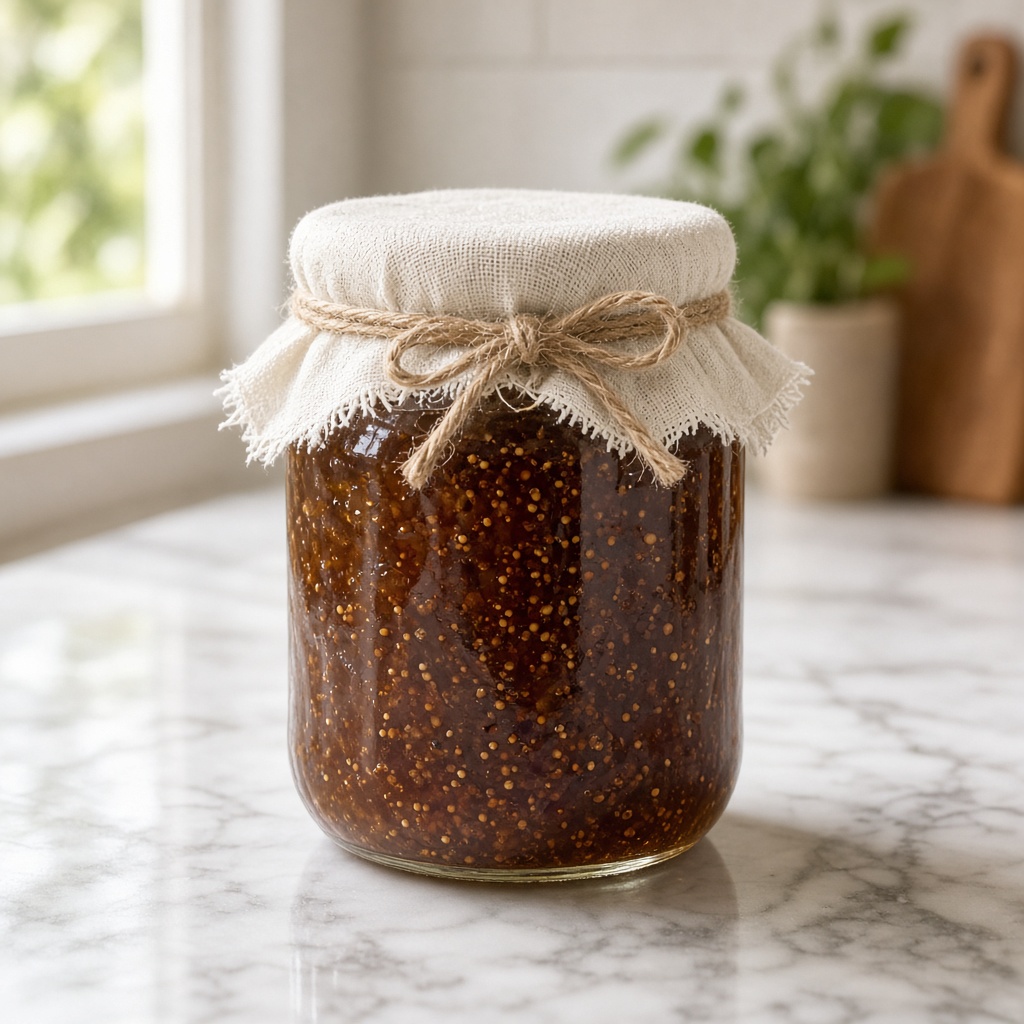
Plant selling splits cleanly in two. Common houseplants are a commodity and a stock photo will do. Specimen and rare plants are the opposite: the buyer is paying a premium for this exact individual, its variegation pattern, its node count, the way it happens to have grown.
For the second group, a generic photograph is not merely lazy, it is misleading. Which is why the good sellers photograph every single plant they list — and why they spend their evenings doing it on a windowsill with a bedsheet taped to the wall.
Why your photos are costing you sales
Plants are photographed against whatever is behind them, which is usually a greenhouse, a shelf of other plants, or a kitchen. Green on green means the plant you are selling disappears into the background, and the variegation that justifies the price cannot be read at all.
The bedsheet solves it and looks like a bedsheet. A clean backdrop is the single biggest improvement available in this category, and it is the one thing a nursery does not have room for.
The scenes that suit your work
A handful chosen for what you sell, out of the full library.

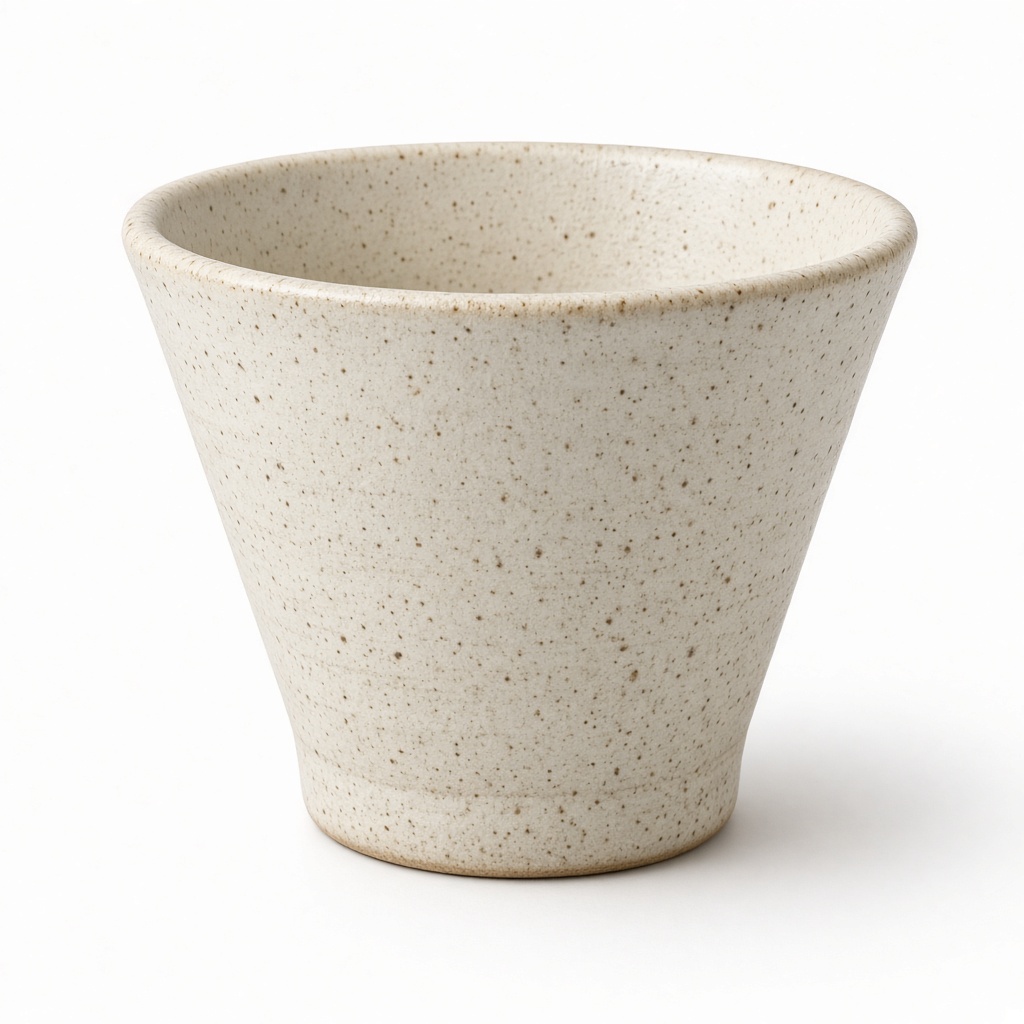
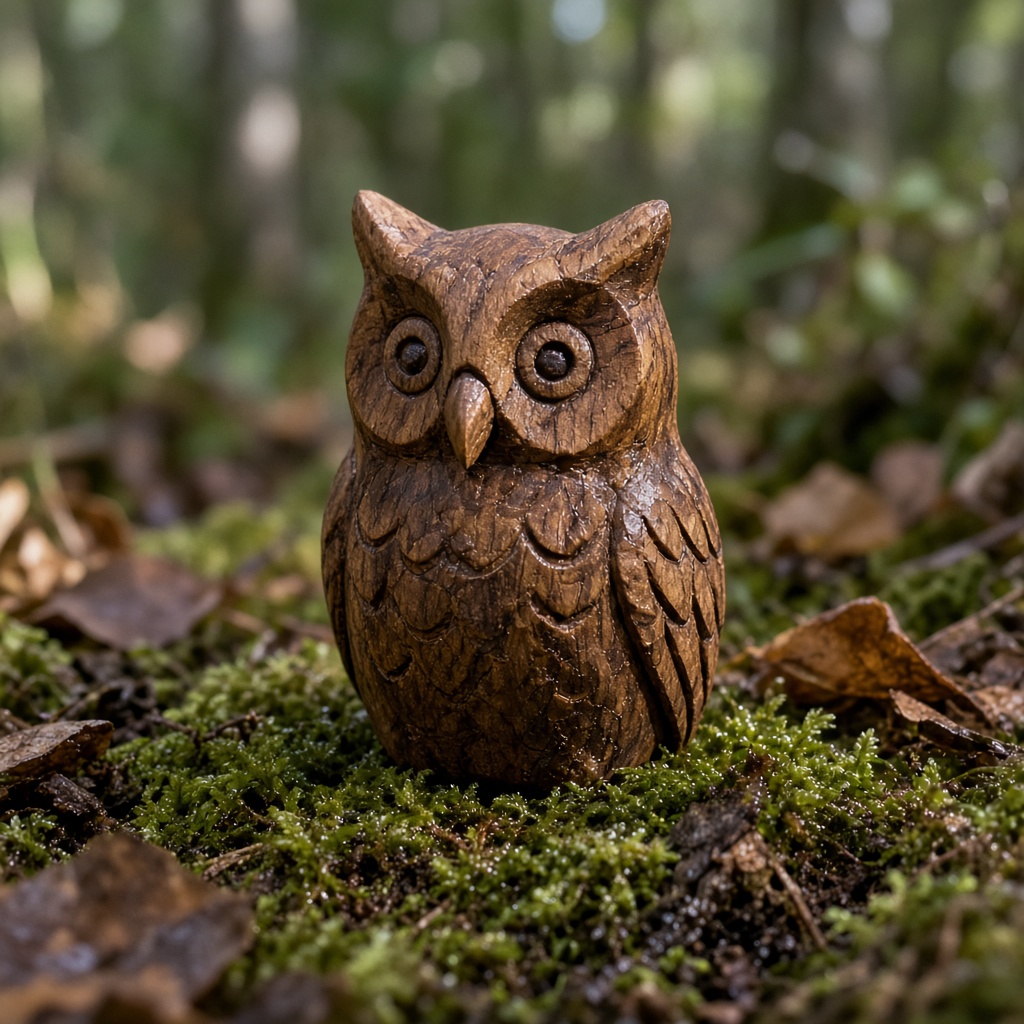
It has to still be your item
Leaf shape, variegation pattern, damage and node structure are preserved from your photographs. That is essential rather than nice: in specimen plants the pattern is the product, and a generated leaf pattern would be describing a plant that does not exist in your greenhouse.
Photograph the plant you are shipping, and the photograph stays about that plant.
- A clean backdrop without owning one, so green stops disappearing into green
- Variegation and leaf structure preserved exactly, because that is the product
- Styled interior settings that show how the plant will actually live
- Fast enough to photograph every individual plant you list
Three steps, about a minute
01
Upload your photos
Two or three angles on a phone is plenty. We cut the background automatically.
02
Pick your scenes
Tick as many as you like from 56 staged settings, or describe your own.
03
Get your shots
They arrive together in your gallery, ready to download for a listing or a post.
Questions people ask before they sign up
- Will it change my plant's variegation?
- No. Pattern, leaf shape and structure are preserved from your photographs. In this category inventing a pattern would be describing a plant you cannot ship.
- Can I keep the nursery pot or swap it?
- The pot is part of what you photographed and is preserved. If you sell in a decorative pot, photograph it in that.
- Does it hide damaged leaves?
- No. Damage is preserved like any other feature, which is what you want when a buyer compares the photo to what arrives.
- I list twenty plants a week. Is that practical?
- One photograph each, then one scene each. The clean backdrop scene is the one most nurseries use as their default.
Written for your trade
Practical pieces about photographing what you sell, rather than general advice about cameras.
Photographing the plant you actually ship
The listing shows a mature specimen in a terracotta pot. The box contains a rooted cutting in plastic. Both were true photographs.
3 minute read
Photographing variegation accurately
Variegation is the entire price premium. A photograph that exaggerates it is a dispute waiting to arrive by courier.
3 minute read
When green disappears into green
A plant photographed in a greenhouse is a plant photographed against thirty other plants. The buyer cannot tell where one ends and the next begins.
4 minute read
Also sells like you
Every plant is a different plant. The photo has to be that one.
Start with 3 free images. No card, no account.
Try it free