Print-on-demand and merch
Everybody uses the same three mockup templates. Buyers can tell.
Photograph the sample you already ordered and stage that, instead of pasting your artwork onto the flat template every other seller is using.
Sized and staged for Etsy · Shopify · Redbubble
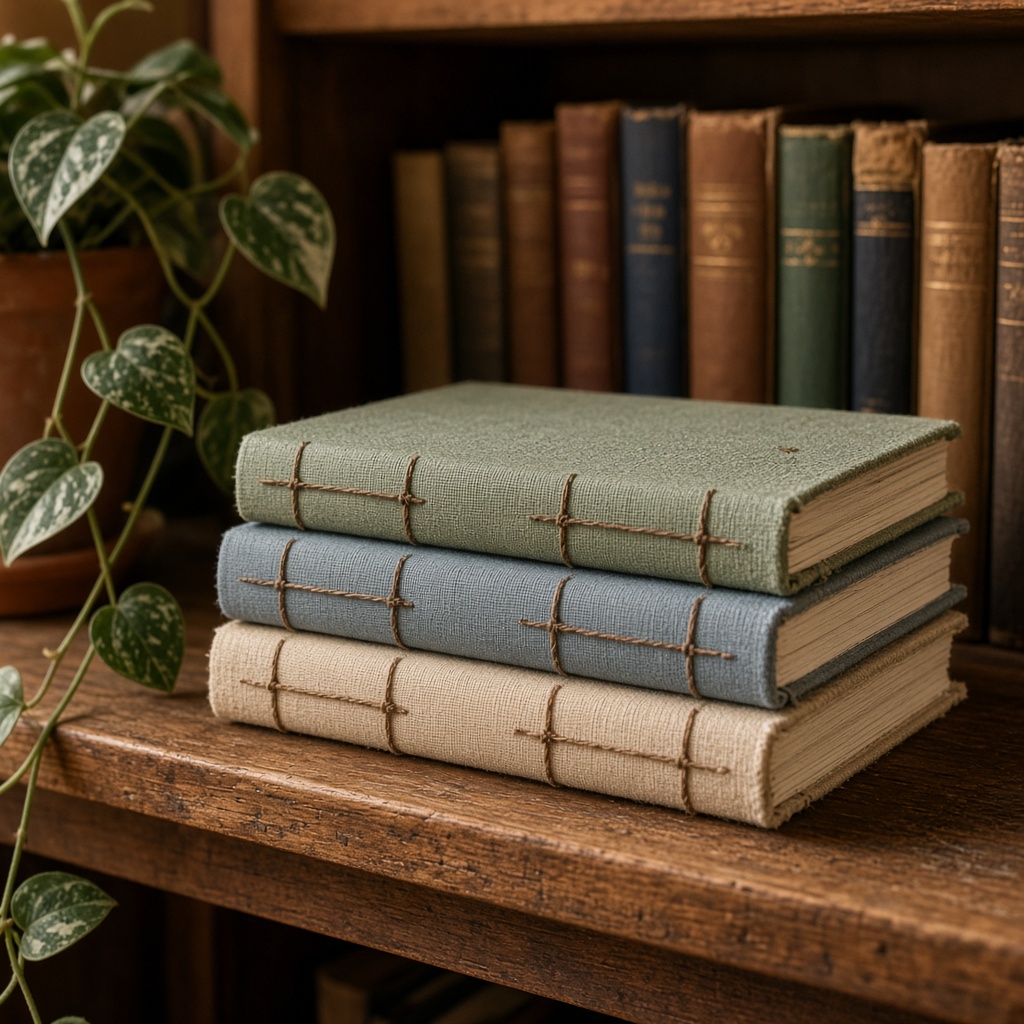
Print-on-demand has a sameness problem, and it is not the artwork. It is that the entire category is illustrated with the same handful of mockup generators, so a search results page shows forty different designs on one identical folded t-shirt.
The sellers who break out are the ones photographing an actual sample. It reads as a real product because it is a real product — the fabric drapes, the print sits slightly into the weave, and the light behaves like light rather than a Photoshop layer.
Why your photos are costing you sales
The honest problem with a template mockup is that it shows a product nobody has held, including you. Print placement is approximate, colour is a guess, and the fabric never wrinkles.
Buyers who have been burned once look for exactly this. A listing where every image is a flat mockup is read, correctly, as a seller who has never seen their own product.
The scenes that suit your work
A handful chosen for what you sell, out of the full library.
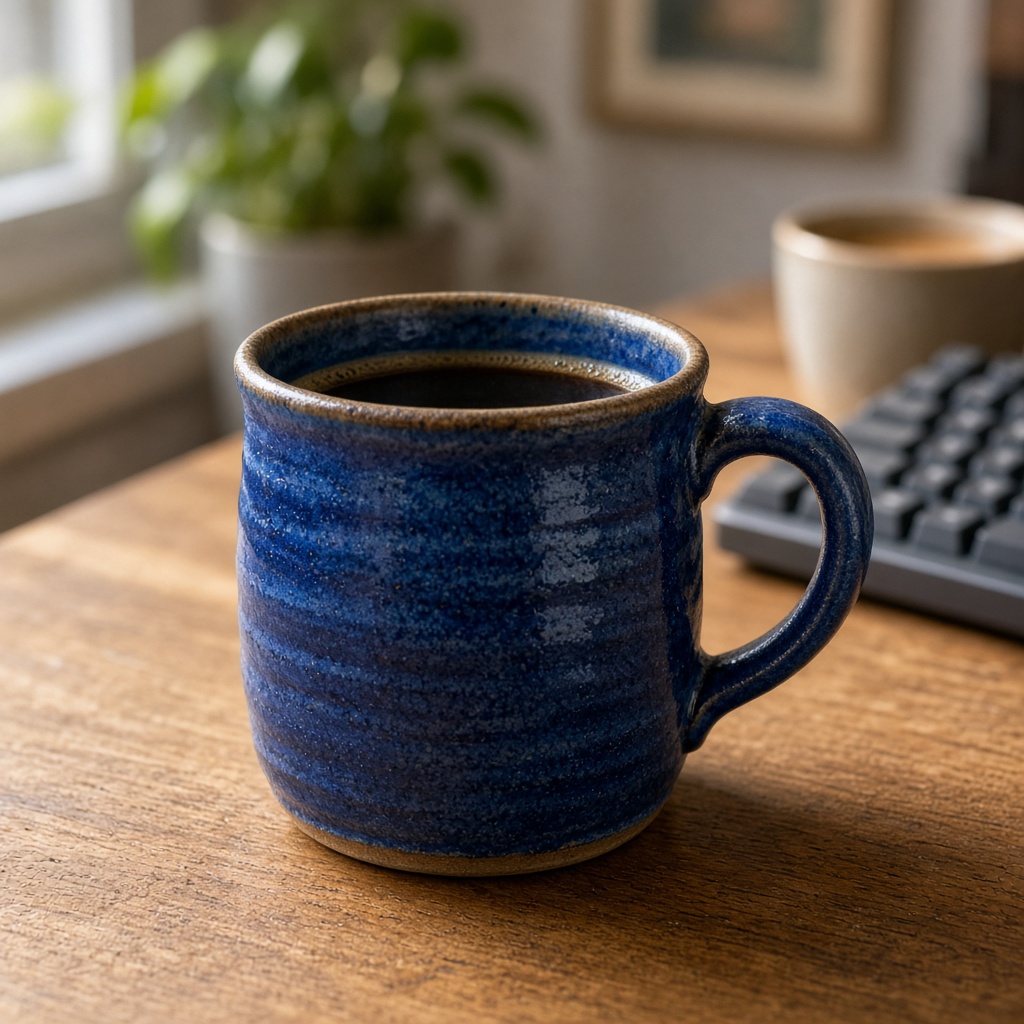
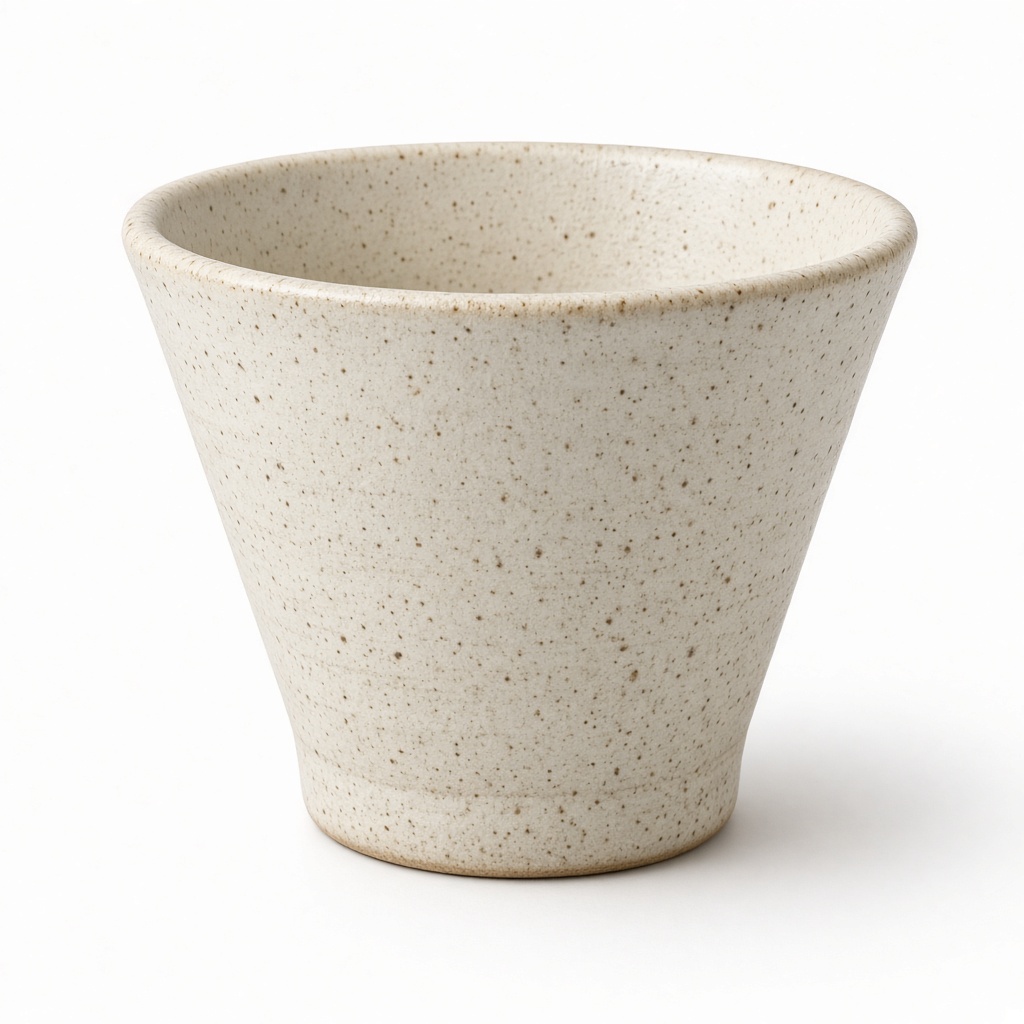
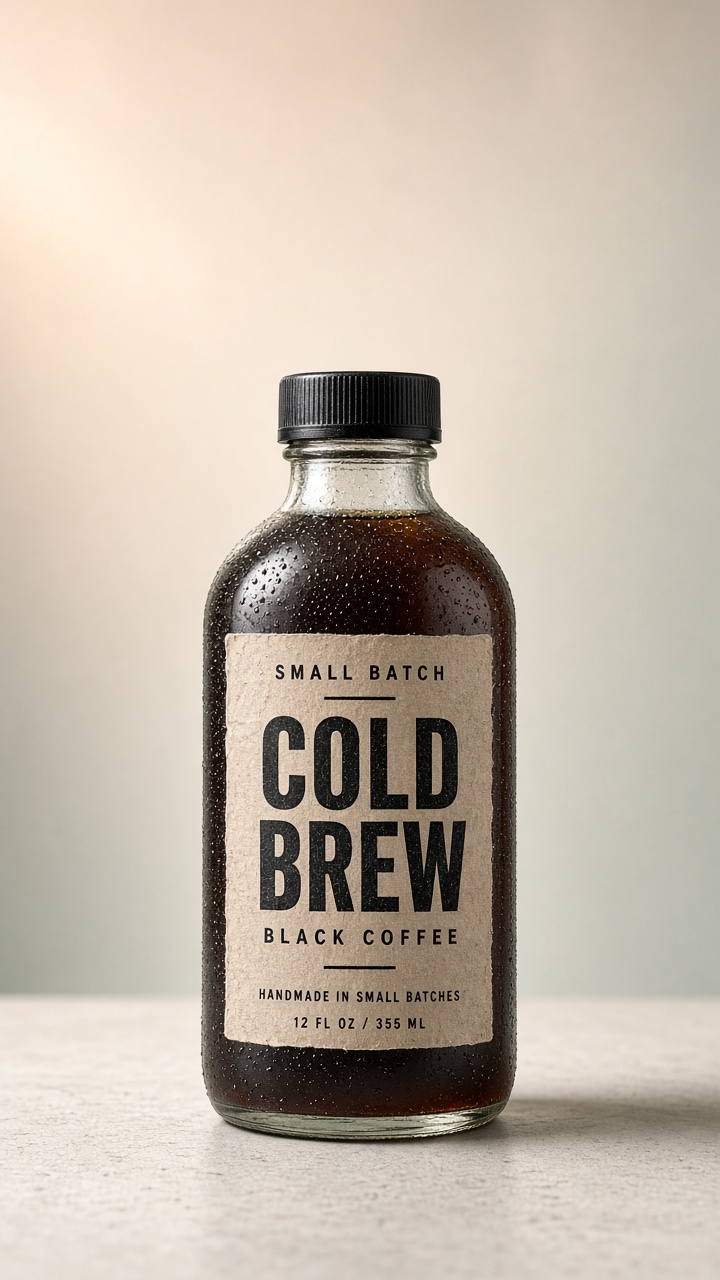
It has to still be your item
Because it restages a photograph rather than compositing artwork, what you see is what the printer actually produced: the real placement, the real colour after it hit the fabric, the real texture of the print.
If your sample came back with the design sitting two centimetres lower than the file, the photograph shows that. Which is uncomfortable and correct — better you find out than a customer.
- Listings that do not look like everyone else's template
- Real print placement and real colour, because it is a real sample
- Several settings from one sample photograph
- Vertical crops for social from the same shot
Three steps, about a minute
01
Upload your photos
Two or three angles on a phone is plenty. We cut the background automatically.
02
Pick your scenes
Tick as many as you like from 56 staged settings, or describe your own.
03
Get your shots
They arrive together in your gallery, ready to download for a listing or a post.
Questions people ask before they sign up
- Do I have to order a sample?
- For this approach, yes — it restages a photograph of a real item rather than compositing a design onto a template. Most sellers order samples of their best designs anyway.
- Can it change the artwork on the shirt?
- No. The print is part of the object and preserved, which is the whole reason the result looks real rather than pasted.
- Is this better than a mockup generator?
- Different. A generator is faster for testing a hundred designs. This is for the designs you have committed to and want to sell properly.
- What about mugs, posters and tote bags?
- Same process, and rigid items like mugs are easier than fabric because there is no drape to preserve.
Written for your trade
Practical pieces about photographing what you sell, rather than general advice about cameras.
Checking your print placement before you list
The file said the design sits eight centimetres below the collar. The sample says eleven. Whichever your listing shows is what you have promised.
3 minute read
Photographing fabric so drape and print texture read
Fabric is the one material where flatness is a defect. A garment photographed flat looks like a template regardless of whether it is one.
3 minute read
Why template mockups underperform real samples
A search results page in this category shows forty different designs on one identical folded t-shirt. Buyers have learned what that means.
4 minute read
Also sells like you
Everybody uses the same three mockup templates. Buyers can tell.
Start with 3 free images. No card, no account.
Try it free