Woodworkers and small furniture
Grain is the product. A workshop photo hides it.
Boards, stools, boxes and shelves are bought for the figure in the timber and the quality of the joint. Both need light a workshop does not have.
Sized and staged for Etsy · Instagram · Shopify
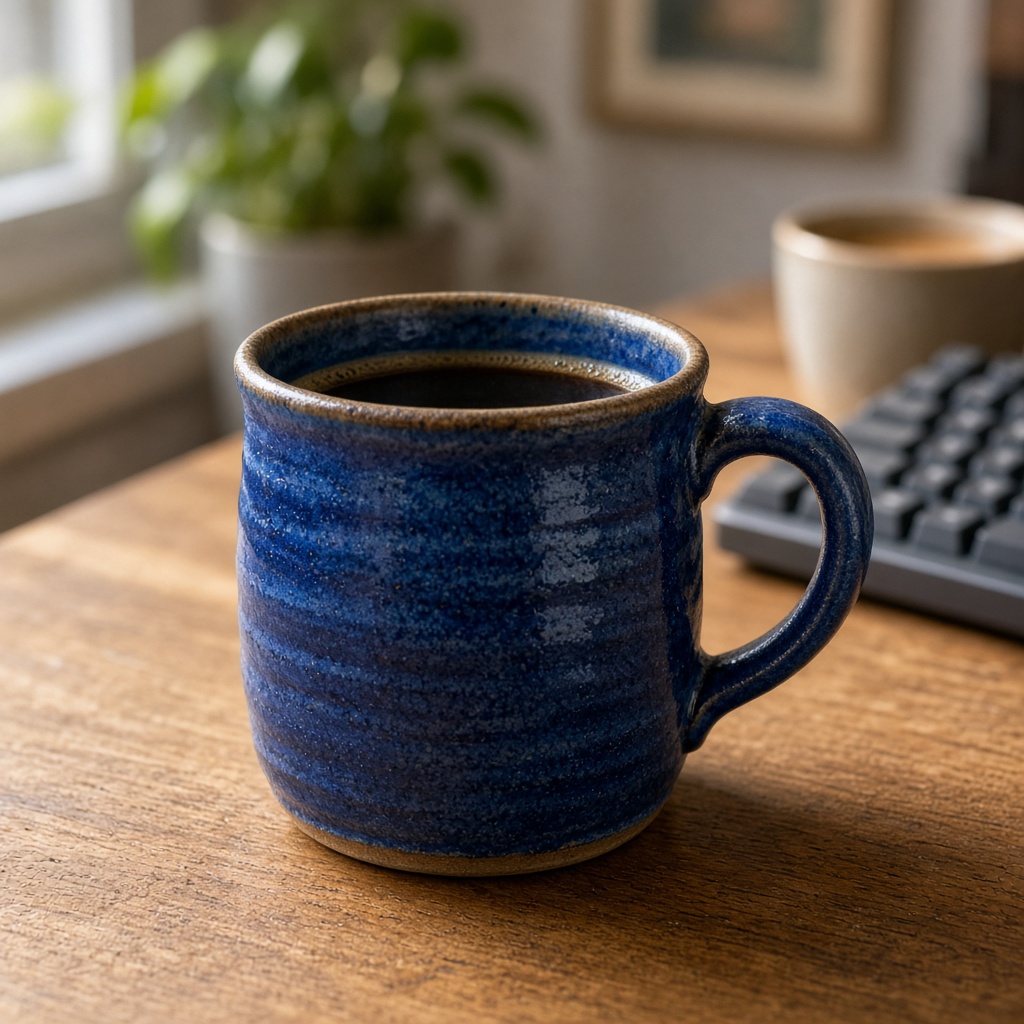
Wood is a material that rewards good light more than almost any other. Figure, chatoyance, the way a finish sits in the grain — none of it survives a fluorescent tube and a bench covered in sawdust.
That is the standard photograph in this trade, because the piece is finished in the workshop and photographed where it stands. It is also why so many beautifully made things sell for less than they should: the photograph is documenting that an object exists, not arguing for it.
Why your photos are costing you sales
There is also a scale problem. A small end-grain board and a large one photograph identically on an empty bench, and buyers routinely order the wrong size. Add the workshop background — clamps, offcuts, a bandsaw — and the piece reads as unfinished even when it is oiled and ready to post.
Larger pieces make it worse, because getting a stool or a shelf somewhere presentable means carrying it there.
The scenes that suit your work
A handful chosen for what you sell, out of the full library.

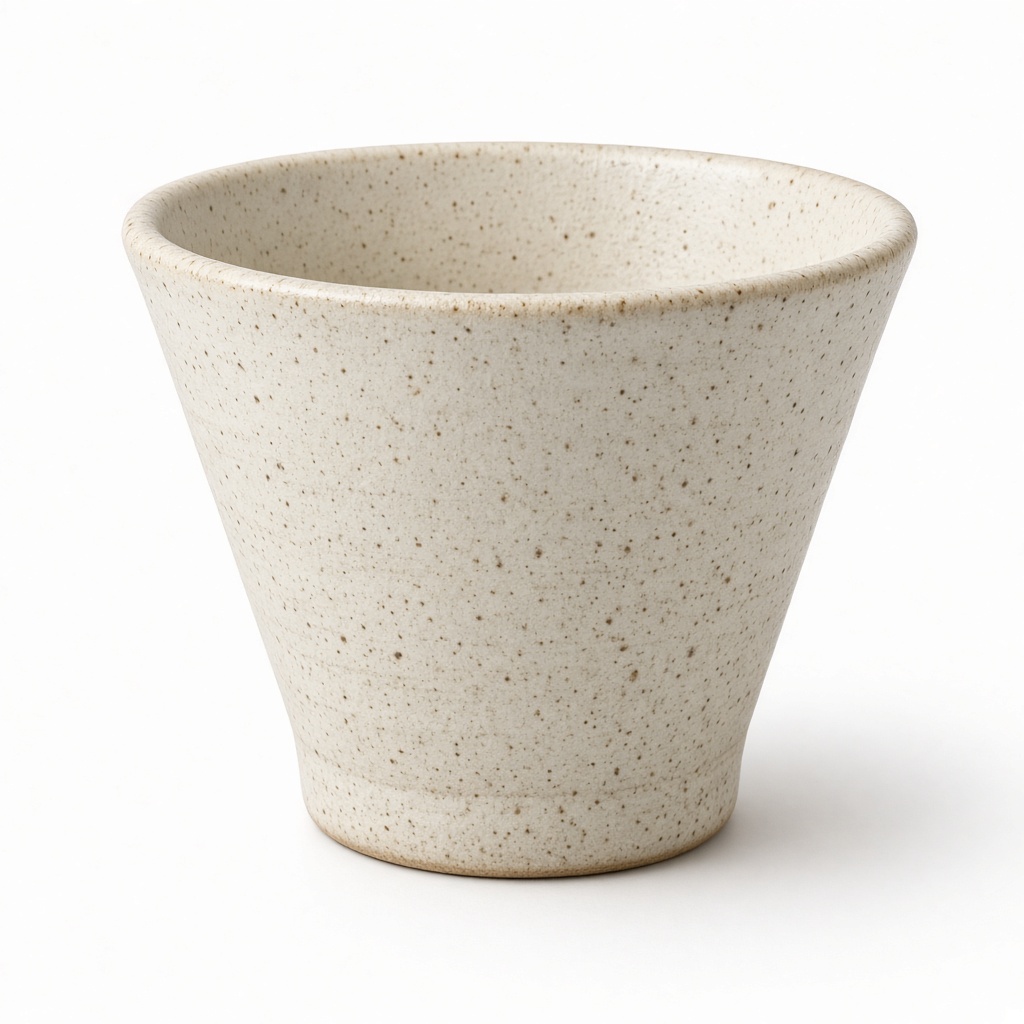
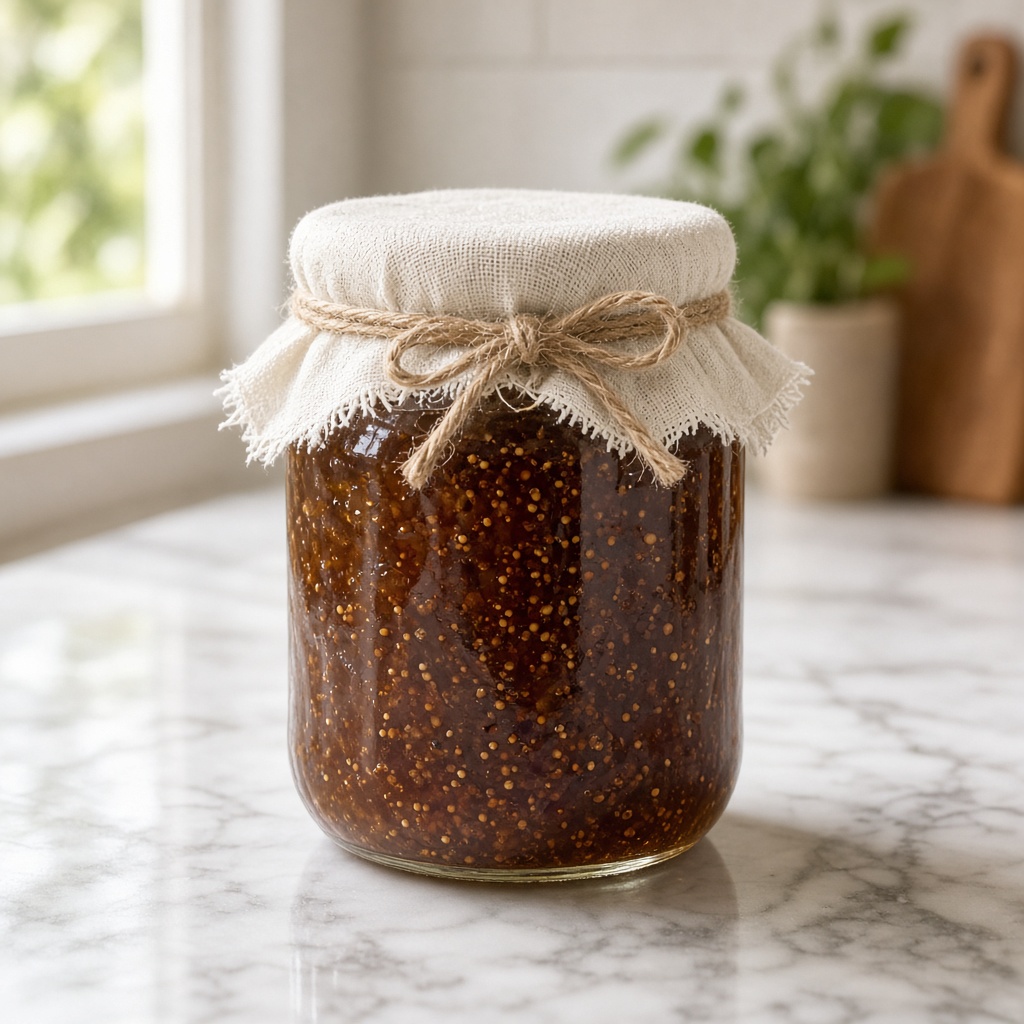
It has to still be your item
Grain figure, joint lines, tool marks and the sheen of the finish are preserved from your photographs rather than idealised. That is the point: a dovetail that is visibly hand-cut is worth more than one that looks machined, and a model left unsupervised will happily make it look machined.
Photograph the piece somewhere neutral, and the scene supplies the room it deserves.
- Grain and finish shown in light a workshop cannot provide
- Hand-cut joints stay looking hand-cut, not machined
- Interior settings without carrying furniture across town
- Scale scenes so buyers order the size they meant to
Three steps, about a minute
01
Upload your photos
Two or three angles on a phone is plenty. We cut the background automatically.
02
Pick your scenes
Tick as many as you like from 56 staged settings, or describe your own.
03
Get your shots
They arrive together in your gallery, ready to download for a listing or a post.
Questions people ask before they sign up
- Will the grain pattern stay the same?
- Yes. Figure and grain are preserved from your photographs — in this trade the grain is the individual character of the piece and inventing it would be describing a different board.
- How large a piece can I photograph?
- Anything you can photograph clearly. Large furniture is harder simply because the reference photo is harder to take well, not because of a limit.
- Do tool marks and small imperfections survive?
- They do, deliberately. They are the evidence of hand-making, which is what the price rests on.
- What about oiled versus raw finishes?
- Finish and sheen are preserved as photographed. If you sell both, photograph both — the difference is exactly what a buyer wants to see.
Written for your trade
Practical pieces about photographing what you sell, rather than general advice about cameras.
Photographing large pieces in a small workshop
The table is finished, the customer collects on Thursday, and the only place it fits is between the bandsaw and the timber rack.
3 minute read
Photographing grain and figure so the timber sells itself
A buyer paying for quartersawn oak is paying for something visible. Flat overhead light makes it invisible.
4 minute read
Making hand-cut joinery visible in a photograph
The dovetails took four hours. In the listing photograph they are a faint line at the corner of a box.
4 minute read
Also sells like you
Grain is the product. A workshop photo hides it.
Start with 3 free images. No card, no account.
Try it free