Pet product brands
The buyer is a person. The user chews things.
Collars, toys, bowls and beds sell on craftsmanship and size, and both are hard to show without a cooperative animal on set.
Sized and staged for Etsy · Amazon · Instagram
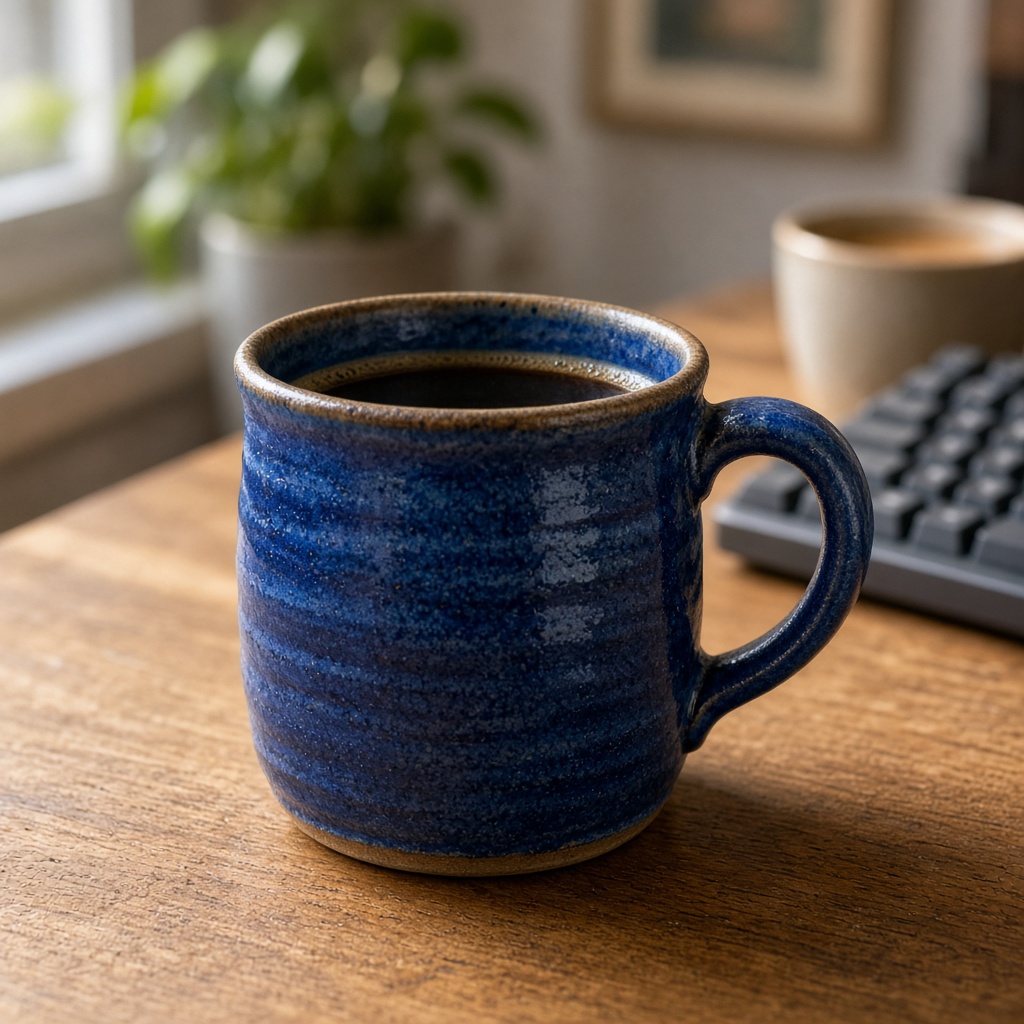
Pet products have an unusual problem: the only convincing photograph involves a model who does not take direction.
Get a dog to wear the collar and hold still, in good light, with the buckle facing the camera. It takes an afternoon, produces four usable frames, and has to be repeated for every colourway. So most sellers give up and photograph the collar flat on a table, where it looks like a strap.
Why your photos are costing you sales
Size is the thing buyers get wrong and return, and it is the thing a flat photograph communicates worst. A bowl looks the same in a photograph whether it holds a cup or a litre. A toy looks the same whether it suits a terrier or a mastiff.
The second problem is that pet goods are judged on durability, which is read from stitching, hardware and edge finish — exactly the details a dim tabletop shot loses.
The scenes that suit your work
A handful chosen for what you sell, out of the full library.
It has to still be your item
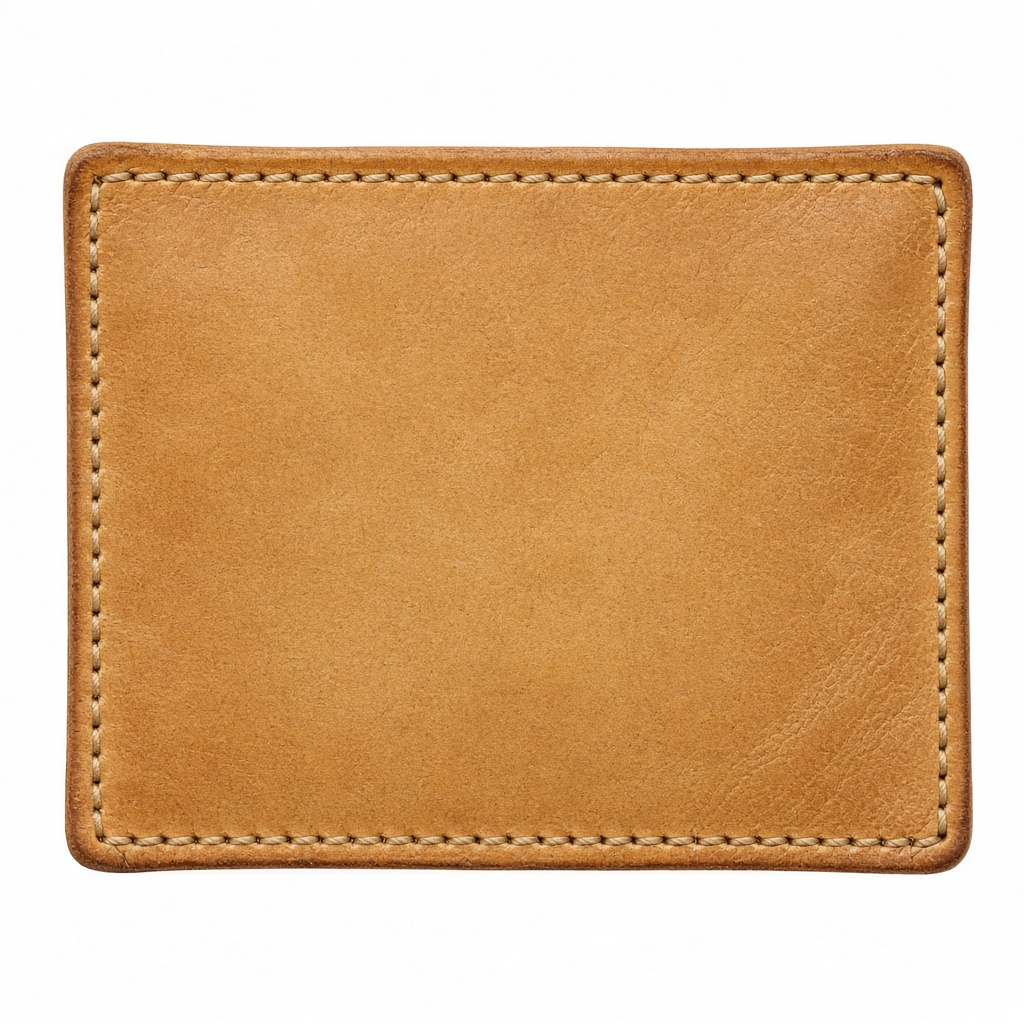
Stitching, webbing texture and hardware are preserved from your photographs rather than smoothed, because those are the details that justify a handmade collar costing four times a supermarket one.
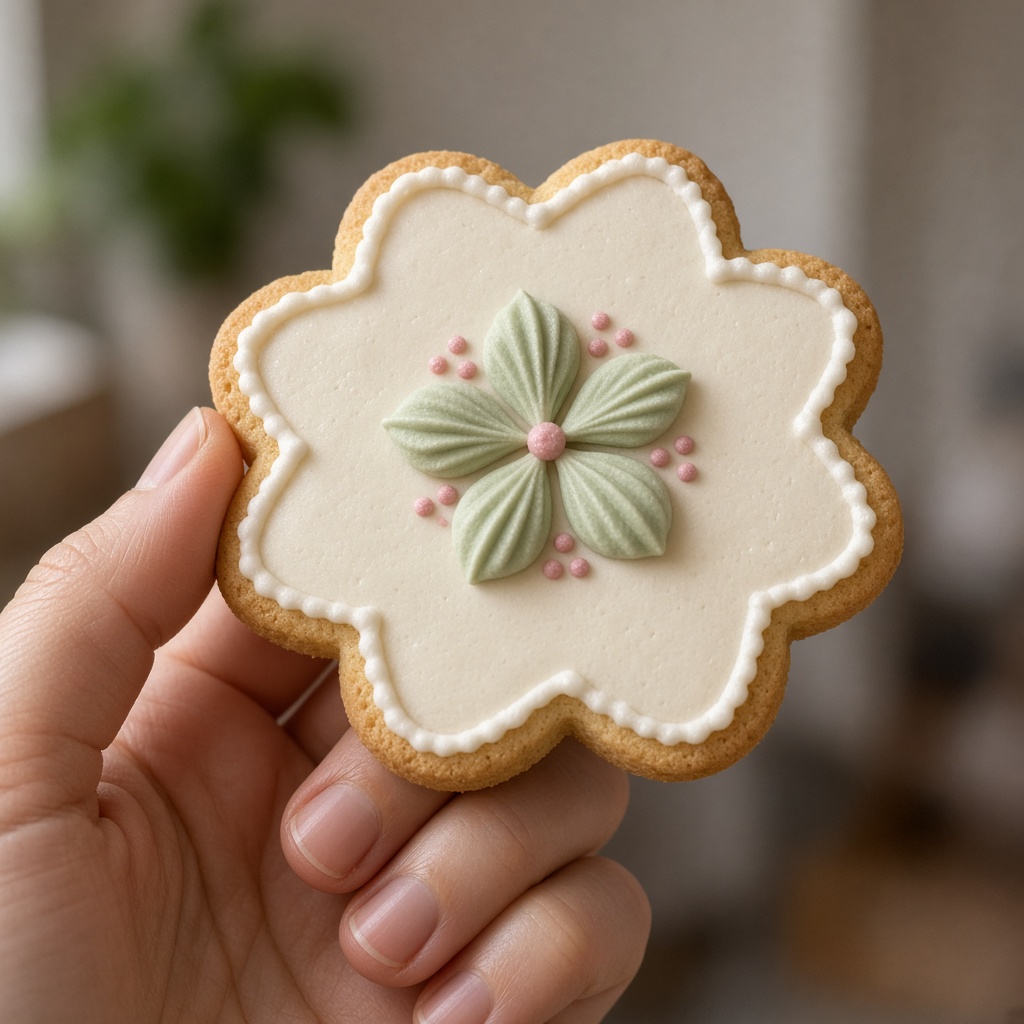
For size, use the scale scenes — held in a hand or beside a familiar object. It is a more honest answer than a dog who happens to be photogenic, and it is repeatable across every colourway in an afternoon.
- Every colourway photographed without booking an animal
- Stitching and hardware stay sharp, so durability reads
- Scale scenes that stop size returns before they happen
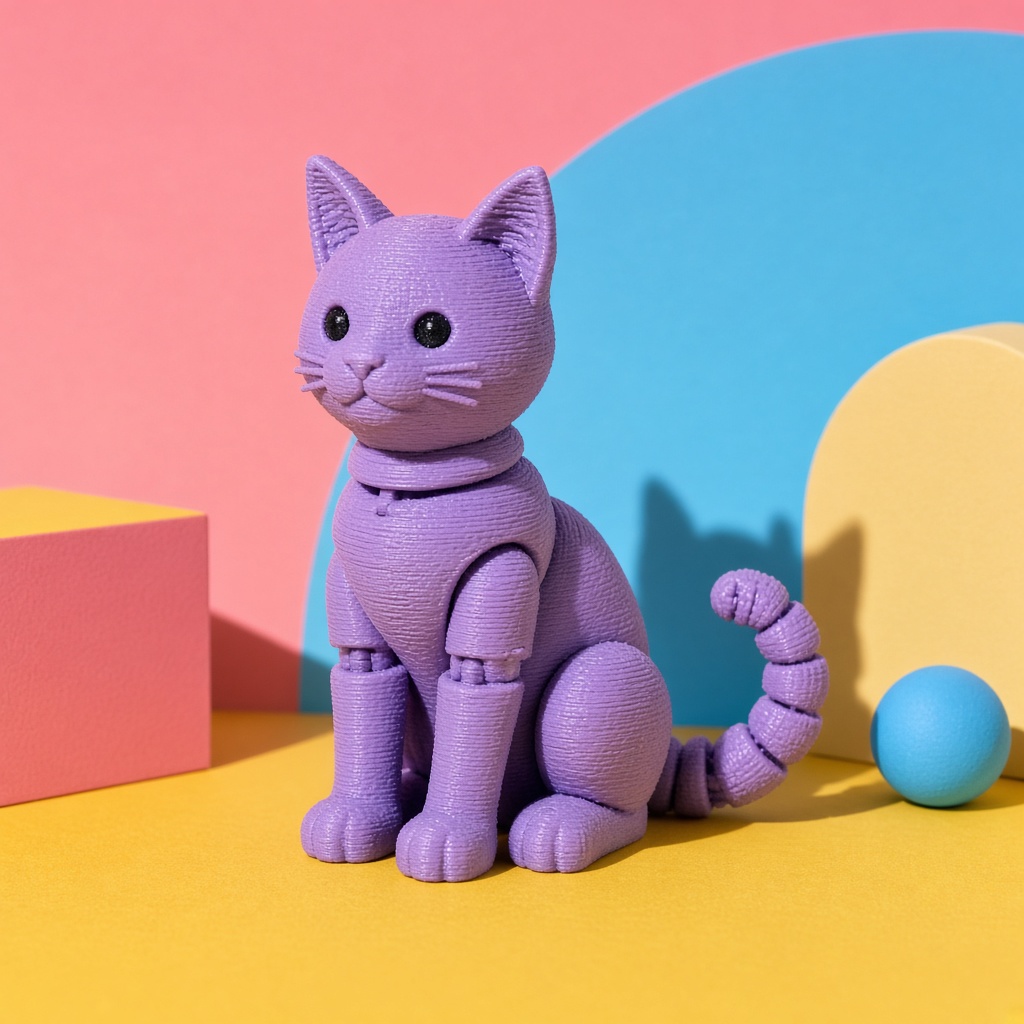
- Bright, playful backgrounds that suit the category
Three steps, about a minute
01
Upload your photos
Two or three angles on a phone is plenty. We cut the background automatically.
02
Pick your scenes
Tick as many as you like from 56 staged settings, or describe your own.
03
Get your shots
They arrive together in your gallery, ready to download for a listing or a post.
Questions people ask before they sign up
- Can it put my product on a dog?
- No, and it should not. Generating an animal wearing your collar would be inventing a photograph rather than restaging yours. Use the scale scenes instead — they are honest and repeatable.
- How do I show size properly?
- The hand and familiar-object scenes do it directly. Most sellers pair one scale shot with two clean product shots.
- Will stitching detail survive?
- Yes, texture and finish are preserved on every generation. Photograph close enough that the stitching is sharp in your original.
- I have twelve colourways of one collar. Is that twelve shoots?
- Twelve photographs, taken in one sitting, then run through the same scene each. The scene stays fixed so the range looks like a range.
Written for your trade
Practical pieces about photographing what you sell, rather than general advice about cameras.
Photographing twelve colourways in one sitting
One design, twelve fabrics, four sizes. Photographed item by item over months, a range stops looking like a range.
4 minute read
Photographing stitching and hardware so durability reads
A handmade collar costs four times a supermarket one. The photographs have to make the reason visible, and the reason is millimetres wide.
4 minute read
Showing size without a dog in the shot
Getting an animal to model your collar takes an afternoon and produces four usable frames. There are better answers, and they scale to twelve colourways.
4 minute read
Also sells like you
The buyer is a person. The user chews things.
Start with 3 free images. No card, no account.
Try it free