Breweries, distilleries and wineries
One bottle. Twenty settings. Every season.
Glass is the hardest thing to light and the thing you photograph most. Get the bottle on black, in a spotlight, or on a table without hiring anyone.
Sized and staged for Shopify · Instagram · Vivino
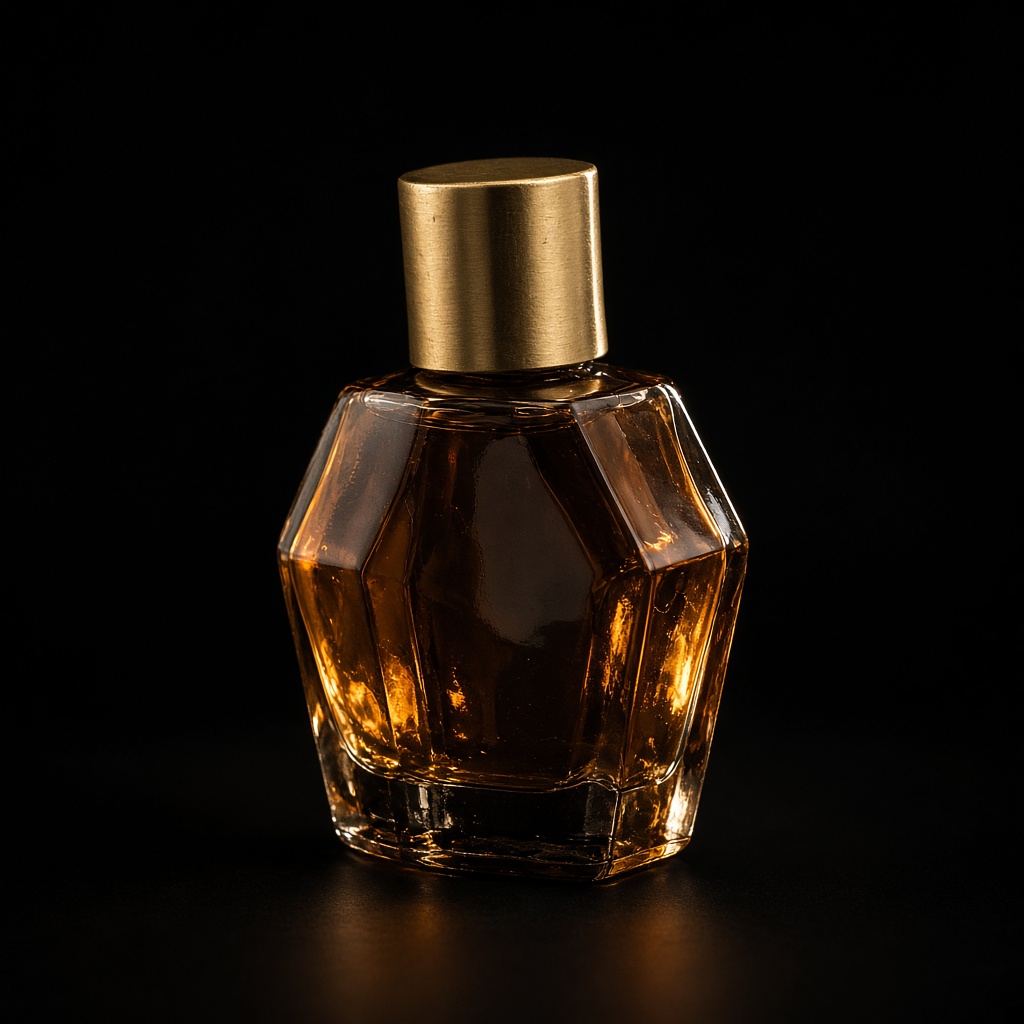
Drinks brands live on one photograph repeated endlessly: the bottle, alone, lit well. It goes on the shop, the shelf talker, the trade deck, the seasonal campaign and every social post for a year.
Getting that photograph is genuinely difficult. Glass reflects everything in the room, including the photographer. Dark glass swallows light entirely. Labels curve away from the lens. And the liquid inside changes how all of it behaves, which is why drinks photography is a speciality that charges accordingly.
Why your photos are costing you sales
The compromise most small producers make is one decent photograph, taken once, used everywhere. It works until you need a summer campaign and the only image you own was shot against a dark autumn background, or until a stockist asks for a clean cut-out and you have a bottle on a wooden table.
Reshooting means either the specialist again or an afternoon of failing to control reflections yourself.
The scenes that suit your work
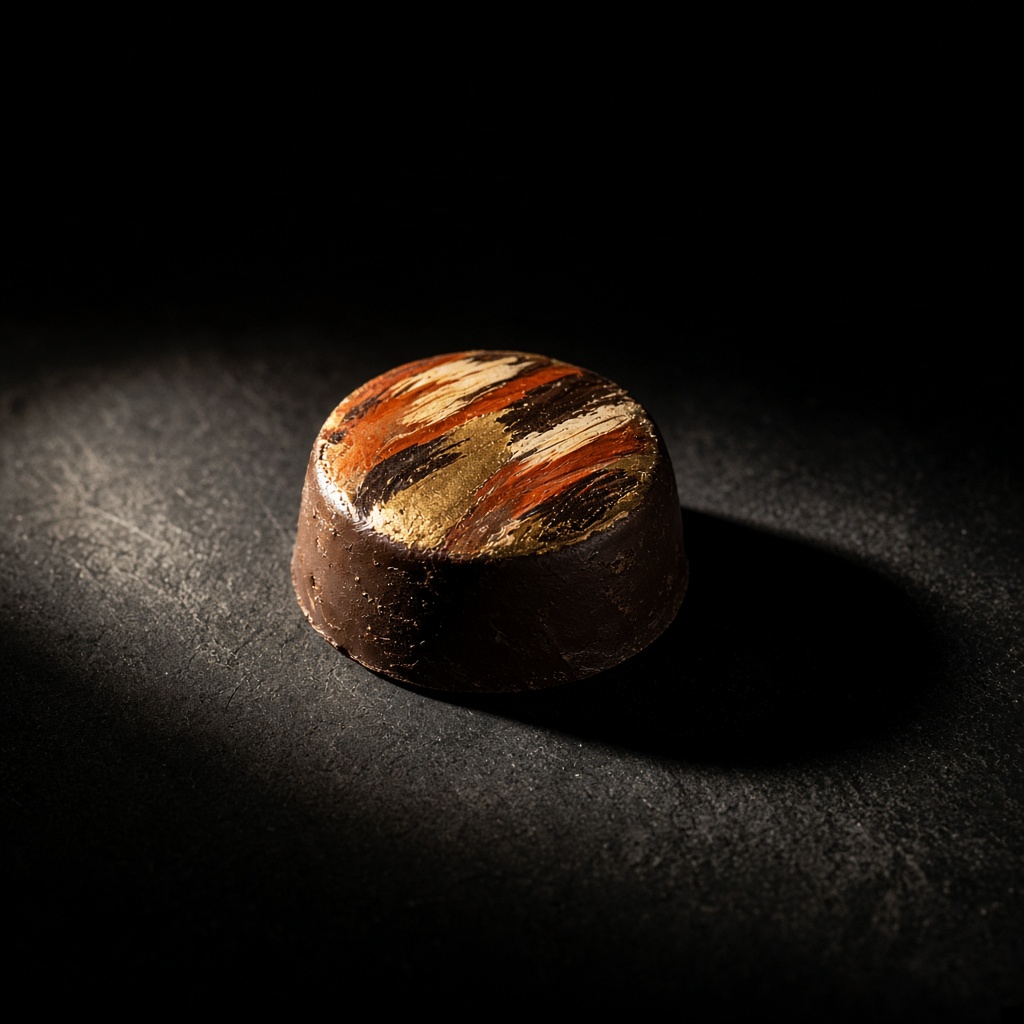
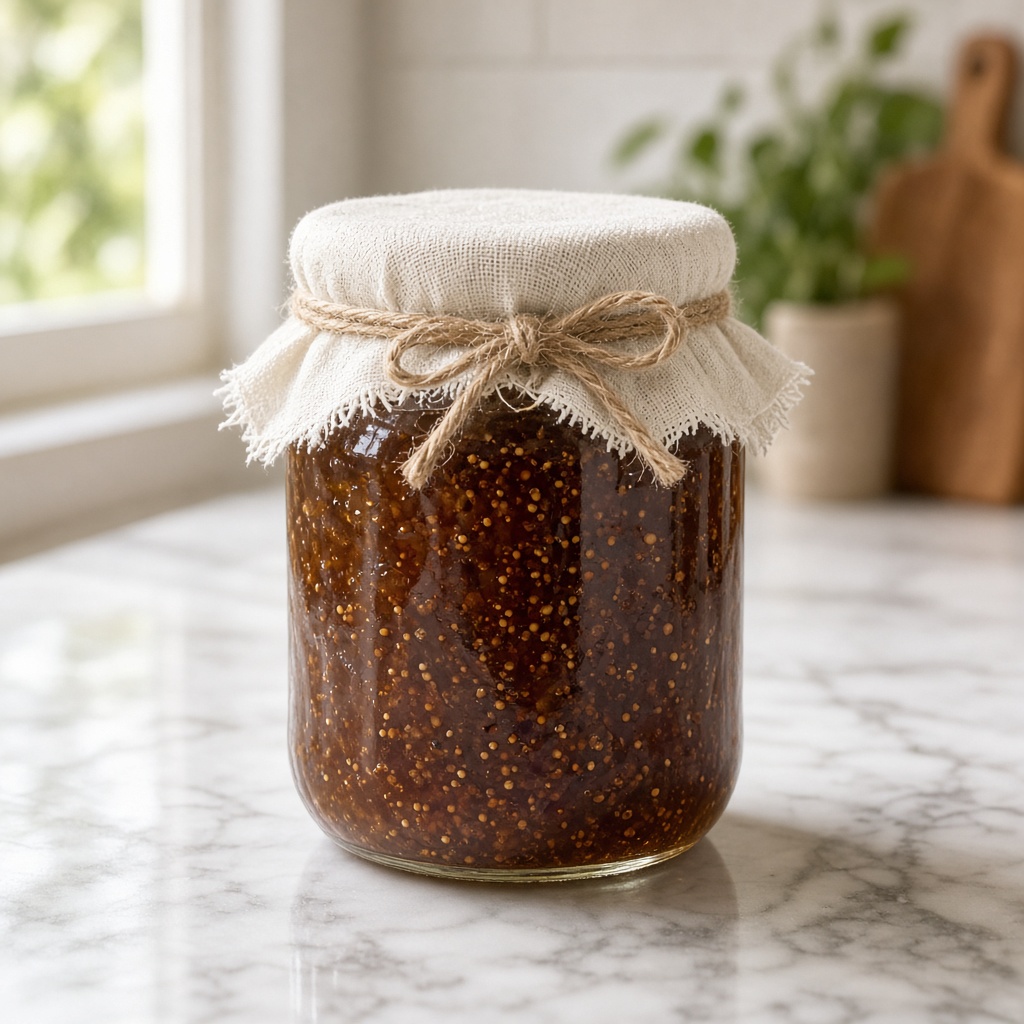
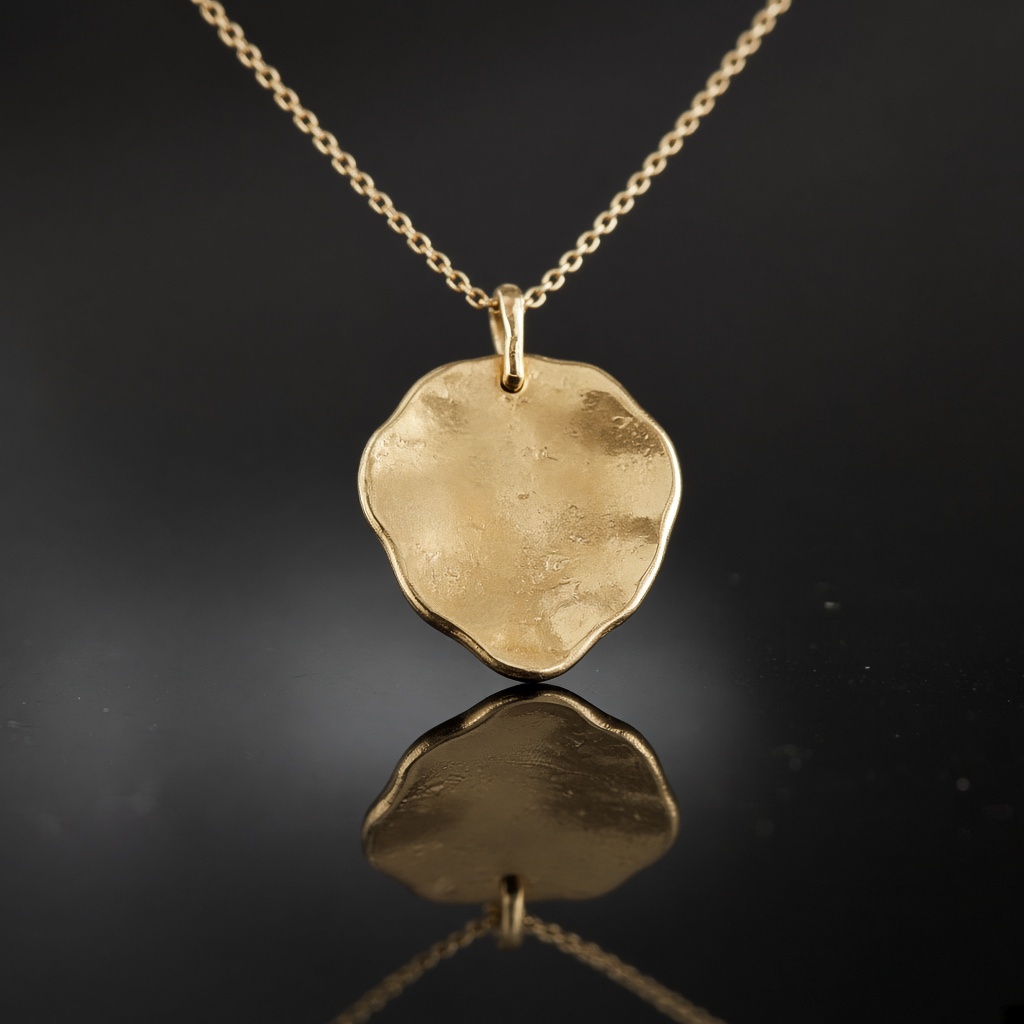
A handful chosen for what you sell, out of the full library.
It has to still be your item
Label artwork, vintage, ABV and every other printed detail are preserved with the bottle, since altered label text is named explicitly in the instruction. That matters more here than almost anywhere: a wrong vintage on a wine listing is a legal problem, not a design one.
Glass colour, fill level and closure stay as photographed. The room around the bottle is the only thing that moves.
- Dark, spotlit and reflective settings that suit glass without a studio
- Vintage, ABV and label artwork preserved exactly as printed
- A seasonal campaign from the bottle you already photographed
- Clean cut-out style shots for stockists and trade decks
Three steps, about a minute
01
Upload your photos
Two or three angles on a phone is plenty. We cut the background automatically.
02
Pick your scenes
Tick as many as you like from 56 staged settings, or describe your own.
03
Get your shots
They arrive together in your gallery, ready to download for a listing or a post.
Questions people ask before they sign up
- Will the vintage or ABV on my label change?
- No. Altered label text is excluded explicitly on every generation. For wine and spirits this is a compliance matter as much as a branding one.
- How do I photograph dark glass at home?
- Shoot near a window with the label facing the light and something plain behind the bottle. The scene handles the drama; your job is a clean, in-focus reference.
- Can I show a poured glass alongside the bottle?
- Photograph them together and both are preserved as one object. A poured glass is far more convincing when it is genuinely yours.
- Do you handle cans as well as bottles?
- Yes, and cans are easier — less reflection, flatter label surface, and the printed artwork is preserved the same way.
Written for your trade
Practical pieces about photographing what you sell, rather than general advice about cameras.
What must never change on a drinks label
A wrong vintage on a listing image is not a design slip. In alcohol it is a labelling problem with a regulator attached.
4 minute read
Killing reflections on glass without a studio
The photographer, the window and the ceiling all end up on the shoulder of the bottle. Two pieces of card fix most of it.
4 minute read
Photographing dark glass bottles
Green and amber glass swallows light. Without something coming through from behind, your bottle photographs as a black silhouette with a label on it.
4 minute read
Also sells like you
One bottle. Twenty settings. Every season.
Start with 3 free images. No card, no account.
Try it free